
Building a Resilient Art Business
By Contagion Media
Turning your artistic passion into a real business is incredibly rewarding, but it takes more than just creative talent. To build an art business that lasts, you need a structure that can handle economic ups and downs, changing trends, and the unpredictable nature of creative work. It means blending your art with smart business moves, so your business doesn't just survive, but truly thrives long-term. This means looking past your next project and setting up a solid base for lasting success, the perfect time to kick-start your art career with a long-term business mindset.

Photo by Sofiia Shunkina | Adobe Stock
Defining Your Business Model
Before you can build something strong, you need a plan. For an artist, that plan is your business model. It answers a basic question: How will you create, deliver, and get paid for what you do? Just making art and hoping it sells is a hobby, not a business. Understanding what a business model is helps you figure out how to make money. Will you sell original paintings through galleries, offer limited edition prints on your website, license your designs for products, or teach workshops?
Each of these paths has different customers, marketing needs, and ways to earn money. A resilient arts business model often includes several income streams. For example, you might focus on expensive original pieces as your main income, then add more affordable prints and digital products. This mix creates a safety net, so if one area slows down, others can keep you going.
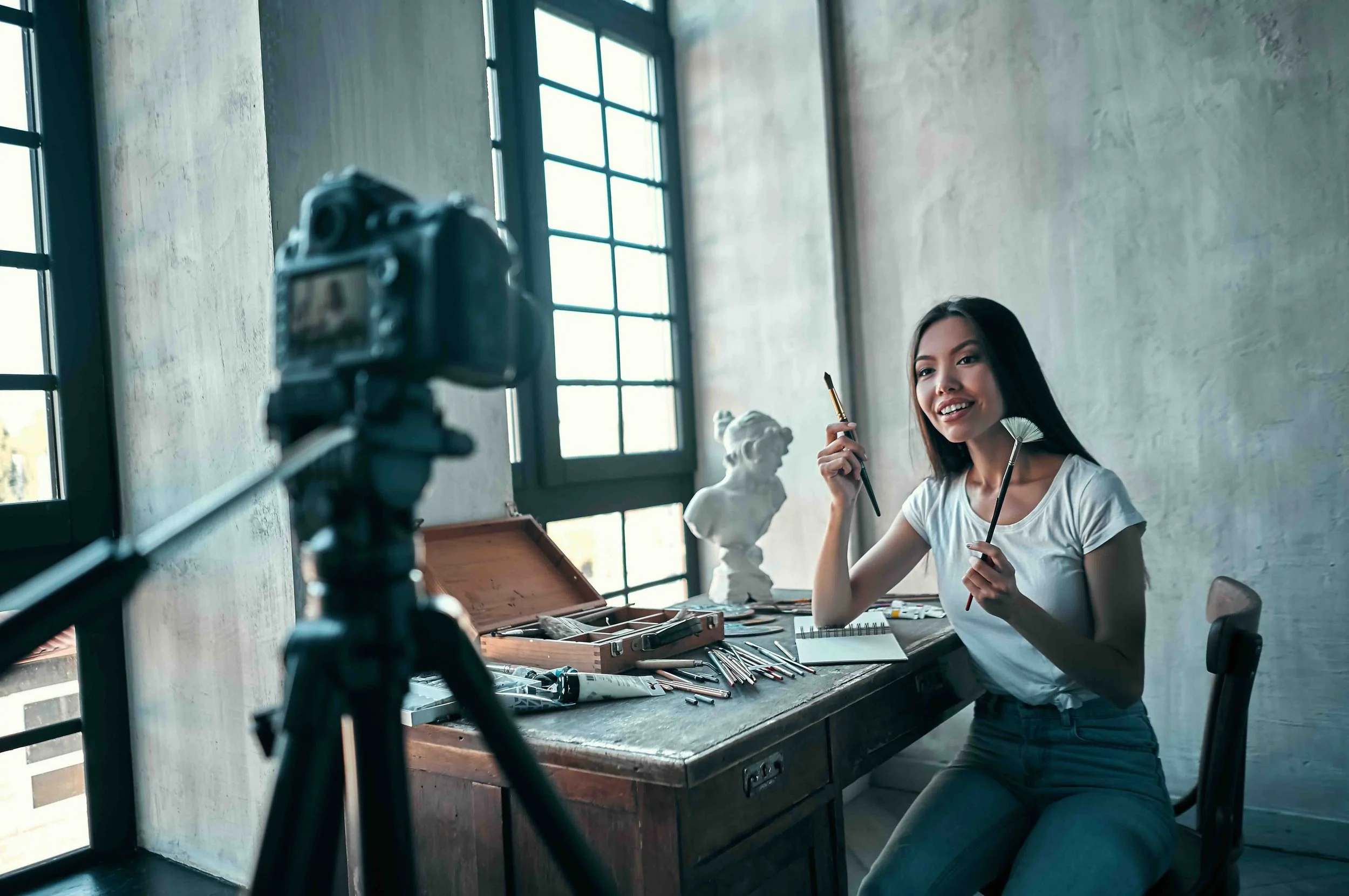
Photo by Vasyl | Adobe Stock
Operational Efficiency for Creatives
How you handle the day-to-day tasks of your art business can either drain your creative energy or boost it. Being efficient isn't about acting like a robot; it's about setting up smart systems that give you more time to create. Start by organizing your workspace and materials. A messy studio can lead to wasted time searching for supplies and even damaged work. If you sell physical items like prints, sculptures, or handmade goods, keeping track of your stock is crucial. A simple inventory system can help you reduce inventory shrinkage from damage, miscounts, or getting lost.
Beyond physical items, think about your workflow. Doing similar tasks together can save a lot of time. Set aside specific days for administrative work, shipping orders, and marketing. This stops you from constantly switching gears and helps you stay focused. Use project management tools or even a simple spreadsheet to track commissions, deadlines, and client messages, so nothing gets missed.
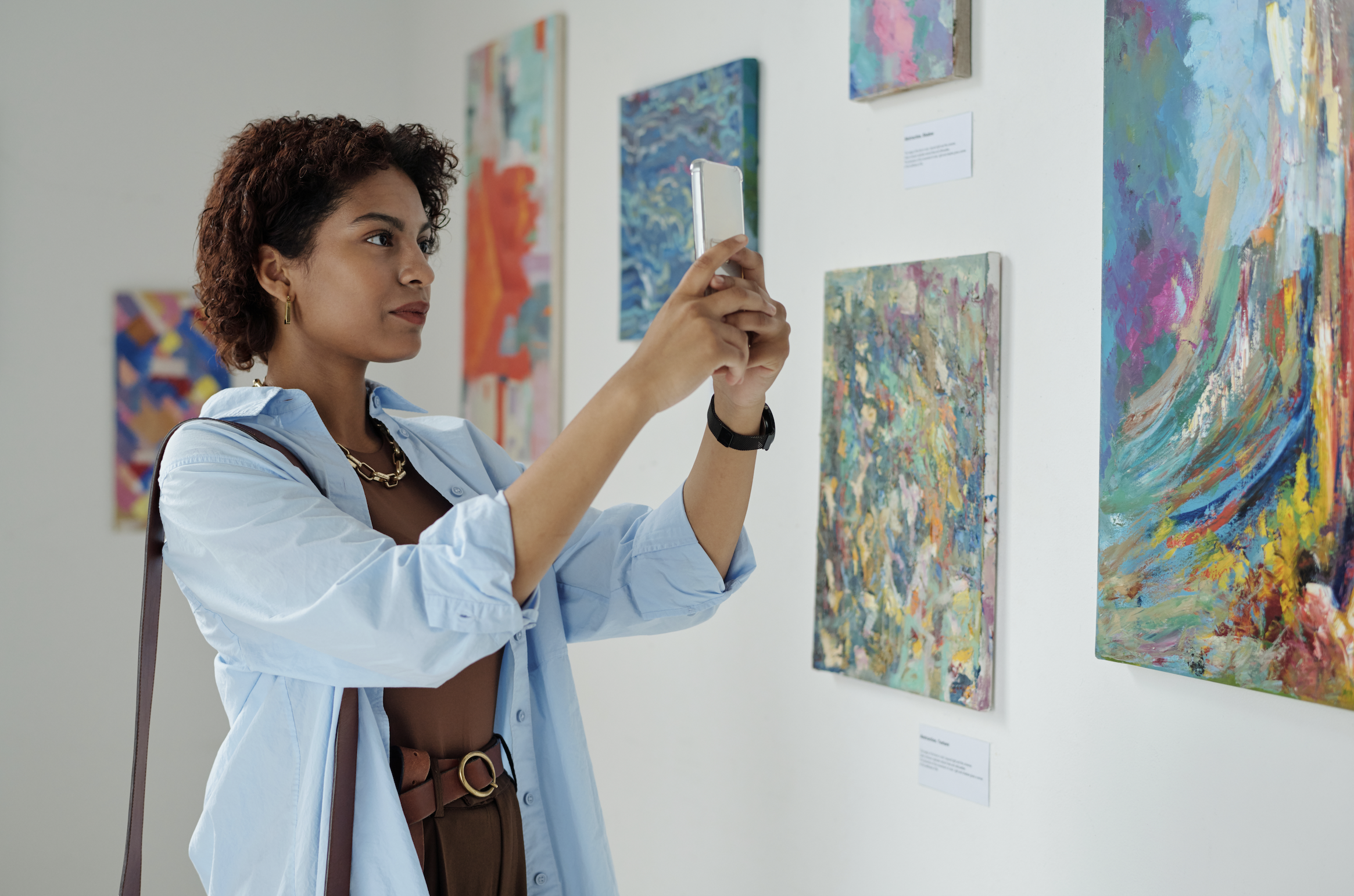
Photo by pressmaster | Adobe Stock
Safeguarding Your Creative Assets
Your art is your most valuable asset, and protecting it is a must. This covers both your physical work and your intellectual property (IP). For your IP, copyright is key; it automatically applies to your original work the moment you create it. While officially registering your copyright offers stronger legal protection, you should always take basic steps to show you own it. This includes using watermarks on images you post online and adding a copyright notice to your website.
When you make agreements for commissions or licensing, always use a contract. A clear contract should spell out what work you'll do, payment terms, deadlines, and exactly how the client can use your art. Without a written agreement, you risk arguments over usage rights and payments. Protecting your assets means you keep control over your work and get paid fairly for its use.
Financial Planning for Stability
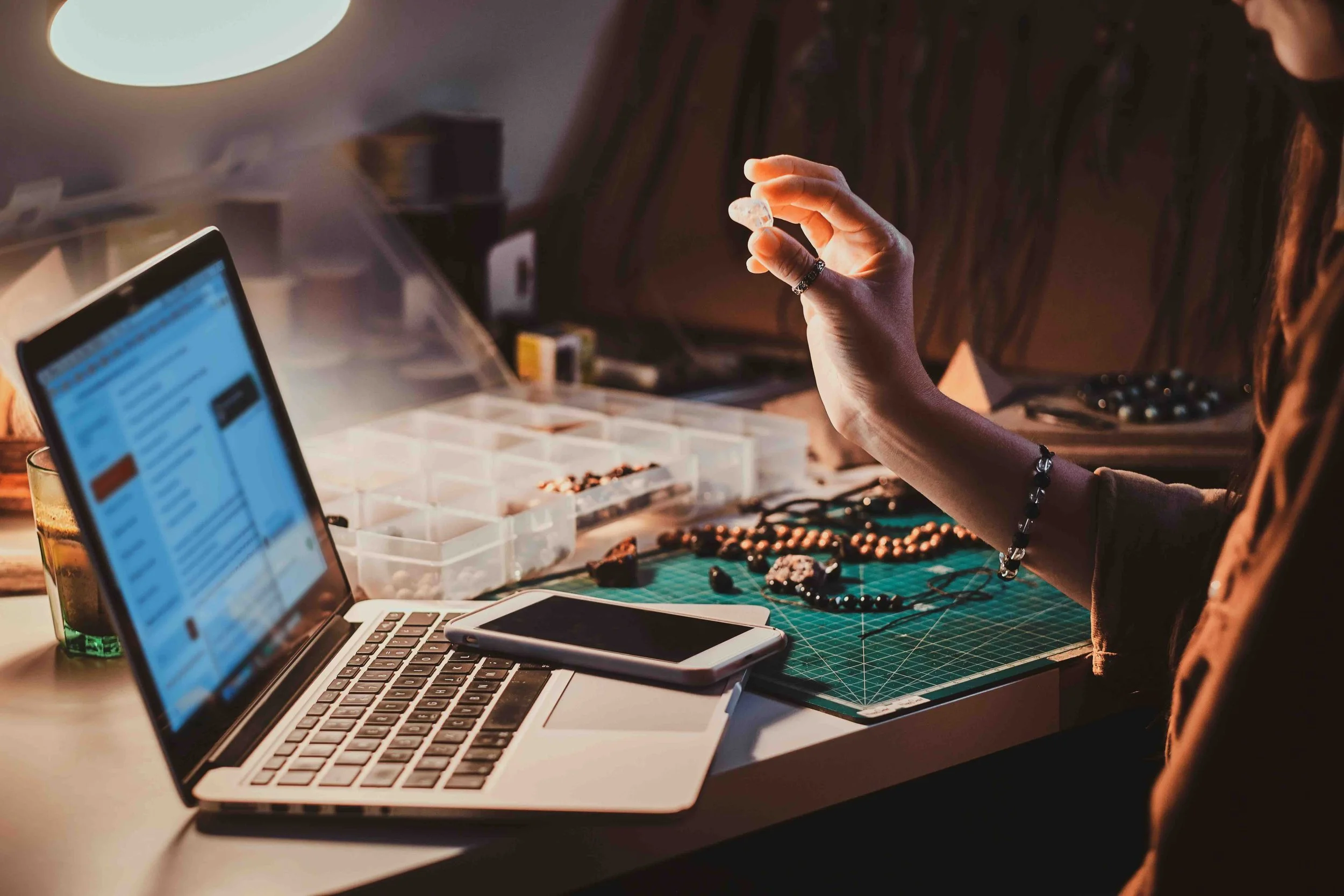
Photo by Fxquadro | Adobe Stock
The idea of the "starving artist" is a harmful myth. A strong art business makes money, and that needs careful financial planning. First, keep your business and personal money separate by opening a dedicated business bank account. This makes bookkeeping easier and tax time much smoother. Then, you need a clear pricing strategy. Your prices should cover not just material costs, but also your time, skill, overhead like studio rent and marketing, and profit.
Building a financial safety net is also vital. The art market can go in cycles, with busy times and slow months. Put a portion of your income into a business savings account to cover expenses during quieter periods. This emergency fund provides the stability you need to keep creating without financial stress, letting you make smart decisions instead of desperate ones.
Adapting to Market Changes
The art world is always changing. New technologies pop up, what collectors like shifts, and economic conditions change. A resilient art business is one that can adapt. This doesn't mean chasing every trend, but it does mean staying informed and being open to new chances. Pay attention to how people are finding and buying art. Social media and online marketplaces have totally changed how artists connect with buyers.

Photo by Seventyfour | Adobe Stock
Listen to your audience and collectors. What interests them? Are there themes in your work that really connect with people? This feedback can guide you toward a new series or even new products. Maybe a popular illustration series could become a children's book, or your unique painting technique could be taught in an online course. Being flexible and willing to try new formats and channels will help your business stay relevant and strong for years to come.
Final Thoughts
Building resilience means constantly balancing your creative vision with smart business strategies. Focusing on these key areas helps you create a business that not only supports your art but also gives it a strong foundation to flourish.
Published by KBR on July 15, 2026