
How Professional Photography Can Increase Online Sales for Artists & Creative Brands
By KBR
Every online purchase begins with a visual first impression.
Whether someone is shopping for artwork, clothing, handcrafted goods, cosmetics, jewelry, music merchandise, or luxury services, they can't physically touch, inspect, or experience what you're offering. Instead, they rely almost entirely on what they can see.

Photo by Leslie Knox | Contagion Media
That means your photography isn't simply illustrating your products—it has become your storefront, your salesperson, and often the deciding factor between making a sale or losing one.
Many artists and creative businesses spend months perfecting their products, branding, and websites, only to present everything through inconsistent lighting, distracting backgrounds, or low-resolution smartphone images. While the product itself may be exceptional, poor visuals can unintentionally communicate the opposite.
Professional photography changes that perception.
More than making products "look nice," high-quality imagery helps customers understand what they're buying, builds confidence in your business, communicates craftsmanship, and creates an emotional connection long before someone completes a purchase.
In today's competitive online marketplace, visuals have become one of the strongest competitive advantages a creative brand can invest in.
In this guide, we'll explore exactly how professional photography can increase online sales, why it influences customer behavior, and how thoughtful visual storytelling can transform casual browsers into loyal customers.
Table of Contents
Higher Quality Presentation Creates Stronger First Impressions
Great Photography Is More Descriptive Than Words Alone
Multiple Angles Remove Buying Friction
Better Photography Makes Your Entire Brand Feel More Valuable
Why Professional Photography Matters More Than Ever
The internet has fundamentally changed how people make purchasing decisions.
Before visiting a physical store, many customers research online first. Others may never visit a storefront at all, relying entirely on an ecommerce website, Instagram page, Etsy shop, or online portfolio.
Without face-to-face interaction, customers look for visual cues that answer important questions:
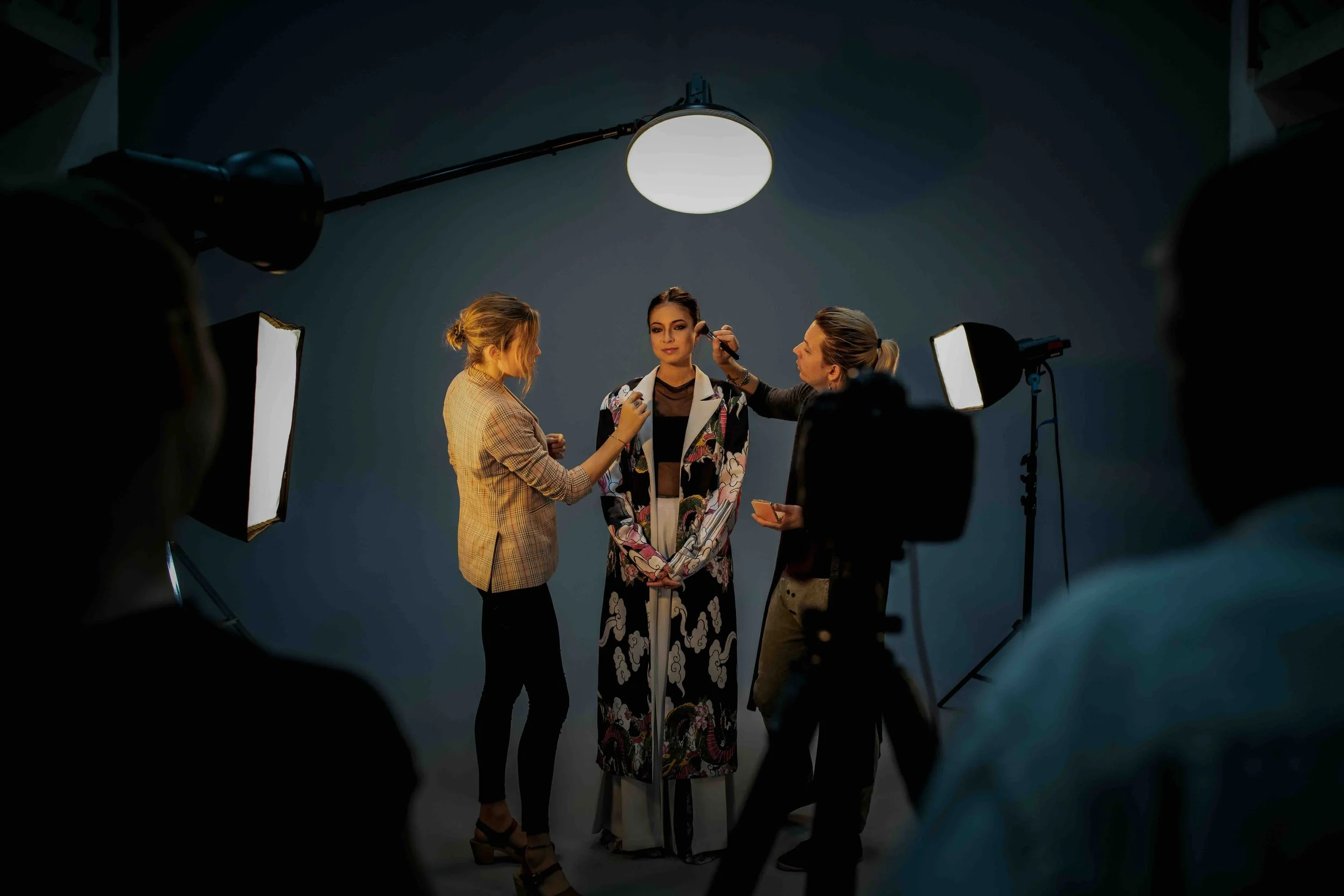
Photo by Rawpixel.com | Adobe Stock
Is this business professional?
Is the product high quality?
Can I trust what I'm seeing?
Is the price justified?
Will this meet my expectations?
Professional photography answers those questions before they're even asked.
A carefully crafted image communicates details that words struggle to explain. Lighting reveals texture. Composition directs attention. Color accuracy helps customers see the product as it truly appears. Sharp focus highlights important details. Together, these elements quietly reassure potential customers that your brand pays attention to detail.
That reassurance matters.
Research in consumer psychology suggests that people form impressions very quickly. Once those initial assumptions are made, they become surprisingly difficult to change.
For creative businesses, artists, fashion designers, musicians, and luxury brands, photography often creates the first emotional interaction someone has with your work. Long before they read your story or compare prices, they've already formed an impression based on your visuals.
Professional photography doesn't manufacture quality—it reveals it.
Higher Quality Presentation Creates Stronger First Impressions
Presentation has always influenced purchasing decisions.
Luxury boutiques carefully arrange displays. Fine art galleries control lighting. High-end restaurants spend hours plating each dish. The product itself remains the same—but presentation dramatically influences perceived value.
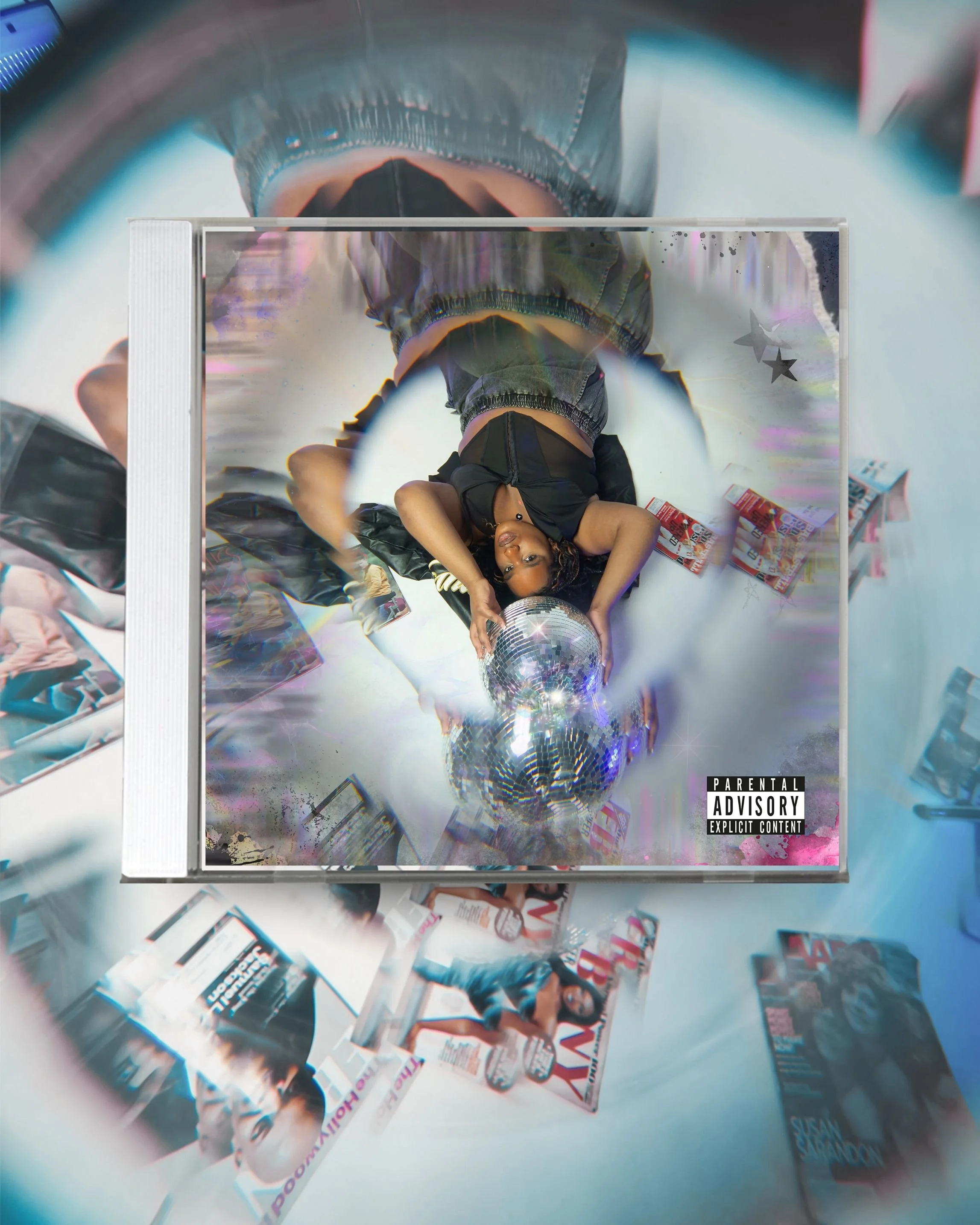
Photo of Junovxrse by KBR | Contagion Media
The same principle applies online.
Customers naturally associate polished photography with polished businesses.
Imagine discovering two independent artists selling nearly identical ceramic pieces.
The first listing features uneven lighting, distracting shadows, cluttered backgrounds, and slightly blurry images.
The second showcases beautifully lit photographs with accurate colors, multiple viewing angles, close-up texture shots, and a cohesive visual style.
Even if both artists possess the same level of craftsmanship, most buyers instinctively perceive the second creator as more established, more trustworthy, and more capable of commanding a premium price.
That's the power of presentation.
Professional photography elevates every aspect of your brand by creating consistency across your website, online shop, advertising campaigns, email newsletters, social media, and printed materials. Instead of feeling like a collection of unrelated images, your business begins to feel intentional.
For artists and creative brands, consistency is especially valuable because your visual identity becomes part of the product itself.
People don't simply buy paintings, clothing, jewelry, handmade goods, or creative services.
They buy into a story.
They buy into an aesthetic.
They buy into a feeling.
Exceptional photography reinforces that feeling across every customer touchpoint.
High-quality imagery can also support premium pricing.
When customers perceive greater value before reading a single word, they're less likely to compare your work solely on price. Instead, they begin evaluating craftsmanship, uniqueness, creativity, and overall brand experience.
For creative entrepreneurs, this shift can be transformative.
Rather than competing to be the cheapest option available, professional visuals help position your business as the obvious choice for customers seeking quality.
And in a marketplace filled with endless scrolling, creating that memorable first impression is often the difference between someone clicking away—or becoming your next customer.
Accurate Photography Helps Customers Buy with Confidence
One of the biggest barriers to making an online purchase is uncertainty.

Photo by KBR | Contagion Media
Unlike shopping in person, customers can't pick up a product, feel its weight, examine its texture, or see how it reacts to different lighting. Every buying decision is based on the information available on a screen.
That's why professional photography should do more than make a product look attractive—it should make it look truthful.
The best commercial photographers understand that every image should accurately represent the product while highlighting its strongest qualities. Color correction, lighting, lens selection, and editing are carefully managed to create images that are both visually appealing and true to life.
For artists and creative brands, accuracy is especially important.
A painter wants collectors to understand the brushwork and texture of the canvas. A jewelry designer wants gemstones to display their true brilliance without looking artificial. A fashion designer wants customers to see how fabrics naturally drape and move. A ceramic artist wants glazes and finishes to appear exactly as they do in person.
When photography accurately represents your work, customers know what to expect before their purchase arrives.
That confidence often leads to quicker purchasing decisions and fewer disappointed customers.
Great Photography Is More Descriptive Than Words Alone
Product descriptions are important, but even the most carefully written copy has limitations.
You can describe a handmade leather journal as "soft, full-grain leather with subtle natural texture," but one well-lit close-up photograph communicates that information instantly.
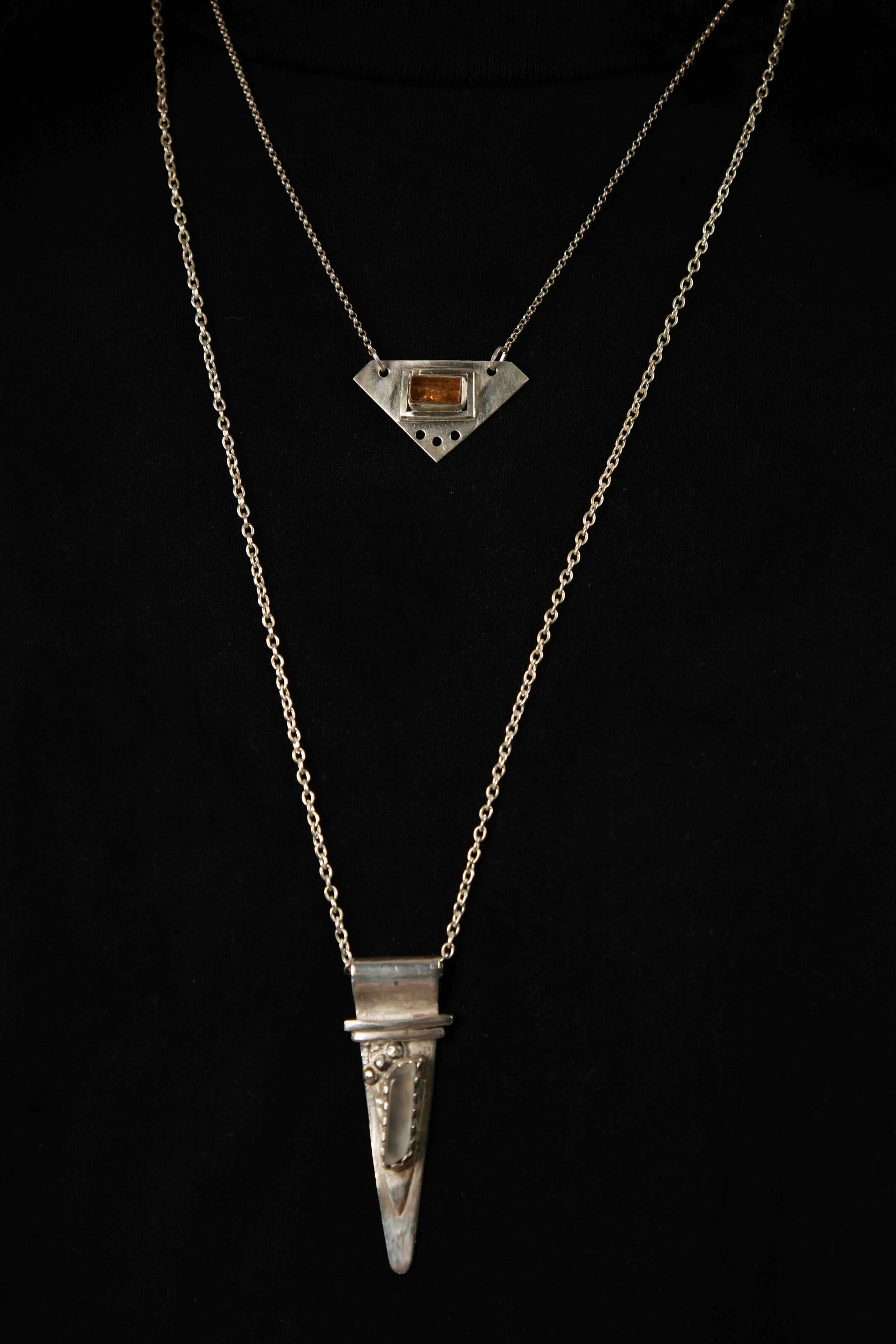
Photo by EJ Mañón | Contagion Media
Photography answers dozens of questions before they're ever asked.
High-quality images can reveal:
Material texture
Surface finish
Scale and proportions
Fine craftsmanship
Color accuracy
Product details
Packaging quality
Construction methods
Artistic techniques
Premium materials
Instead of forcing customers to imagine what something might look like, professional photography removes the guesswork.
This becomes increasingly important for luxury products, where details often justify the price.
Artists spend years mastering techniques that distinguish handmade work from mass production. Professional photography gives those details the attention they deserve.
Multiple Angles Remove Buying Friction
Customers naturally hesitate when they feel they're missing information.
Showing only one photograph leaves room for doubt.
What does the back look like? How thick is it? What does the texture look like? Is the finish glossy or matte? How large is it compared to everyday objects?
Professional product photography answers these questions through thoughtful image planning.
Instead of relying on a single hero image, successful online stores often include:
Front view
Side angles
Back view
Close-up details
Scale reference
Packaging
Lifestyle images
Texture photographs
Each additional image reduces uncertainty.
Instead of wondering whether your product is worth purchasing, customers spend more time imagining themselves owning it.
That subtle shift—from questioning to visualizing—is where many purchasing decisions are made.
Professional Photography Builds Trust
Trust is one of the most valuable currencies in ecommerce.
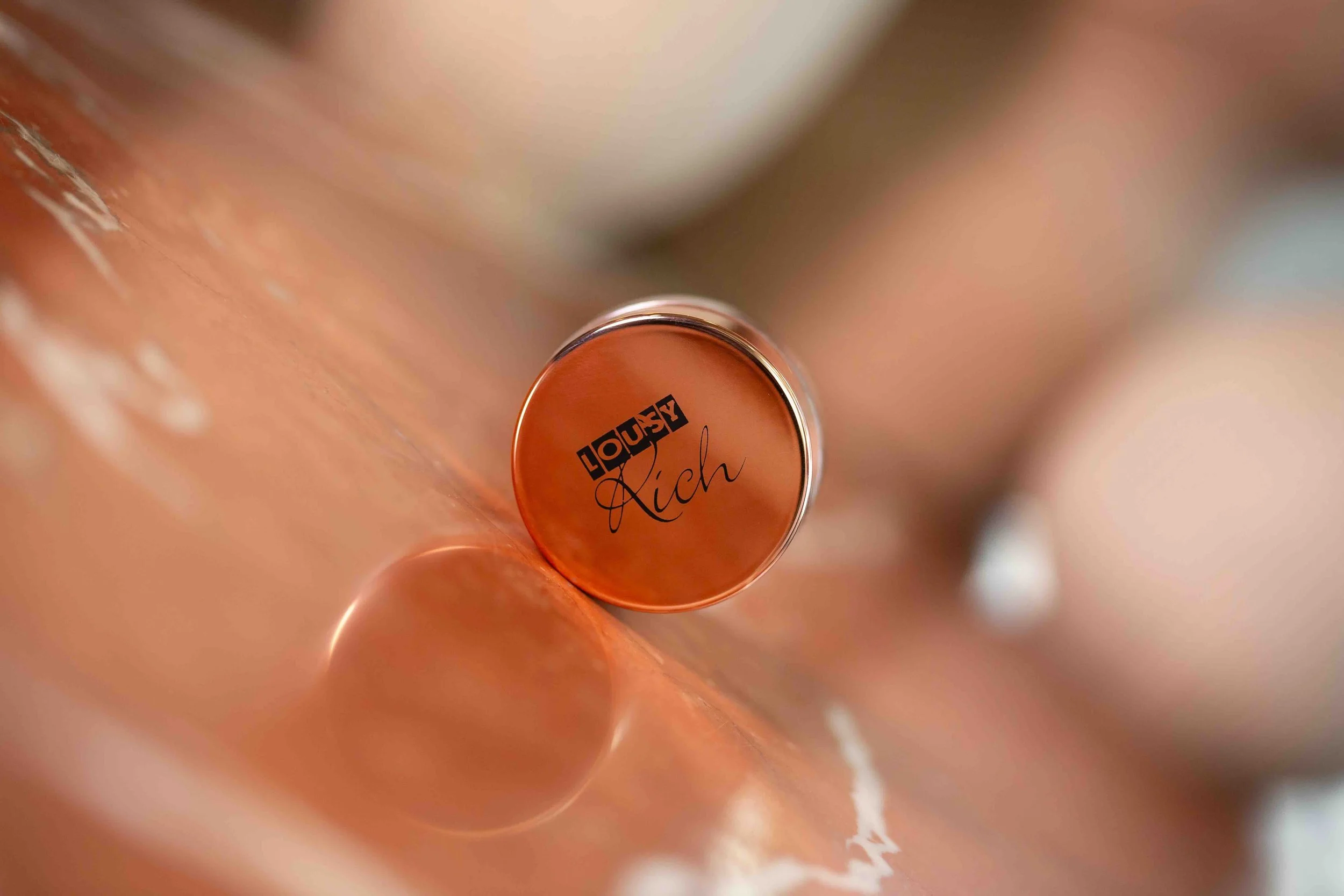
Photo by Leslie Knox | Contagion Media
Customers are often purchasing from businesses they've never visited, people they've never met, and brands they've only discovered minutes earlier.
Professional photography helps establish credibility before a customer reads your About page.
Consistent imagery communicates professionalism.
Thoughtful composition communicates attention to detail.
Sharp images communicate craftsmanship.
Consistent lighting communicates reliability.
Together, these visual signals tell customers something incredibly important:
"This business cares about quality."
People naturally assume that businesses investing in professional presentation are also investing in better customer experiences.
While photography alone doesn't guarantee quality, it creates an expectation of excellence.
For premium brands, that expectation can become a significant competitive advantage.
Lifestyle Photography Helps Customers Imagine Ownership
One of the most powerful forms of photography isn't the product photo itself.
It's the photograph that shows the product being used.
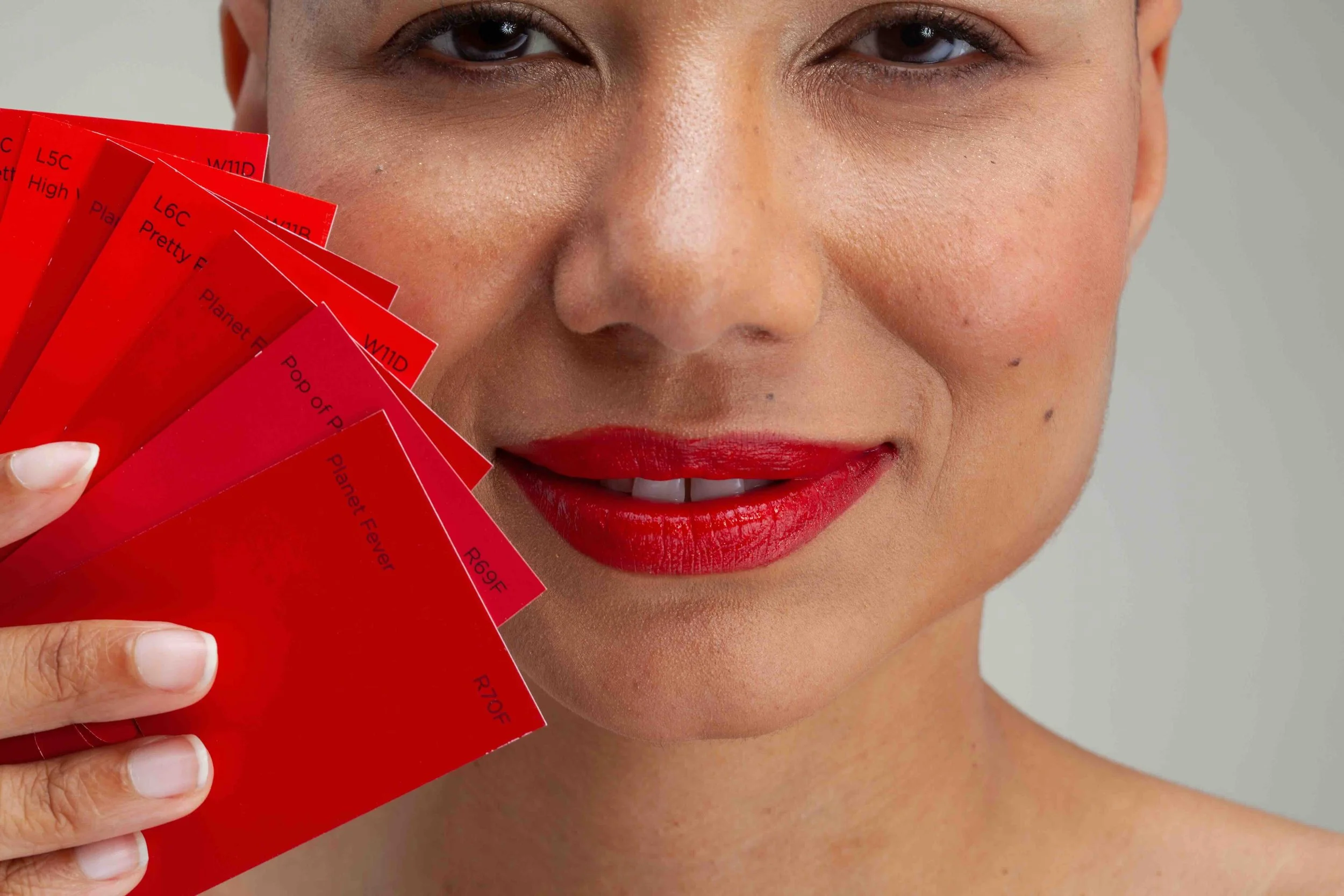
Photo by Cultura Creative | Adobe Stock
Lifestyle photography places products inside real environments, allowing customers to emotionally connect with what they're seeing.
Instead of displaying a framed print against a white background, show it hanging inside a beautifully designed living room.
Instead of photographing handmade jewelry on a table, show someone confidently wearing it.
Instead of presenting clothing on a mannequin, photograph someone naturally moving through an environment.
These images answer an important psychological question:
"What would this look like in my life?"
Customers rarely purchase products because of technical specifications alone.
They purchase because they imagine how the product will improve their identity, lifestyle, confidence, comfort, or daily experience.
Professional lifestyle photography helps bridge that emotional gap.
Strong Visual Storytelling Creates Emotional Connection
People remember stories far more easily than individual products.
Professional photography allows creative brands to tell those stories visually.
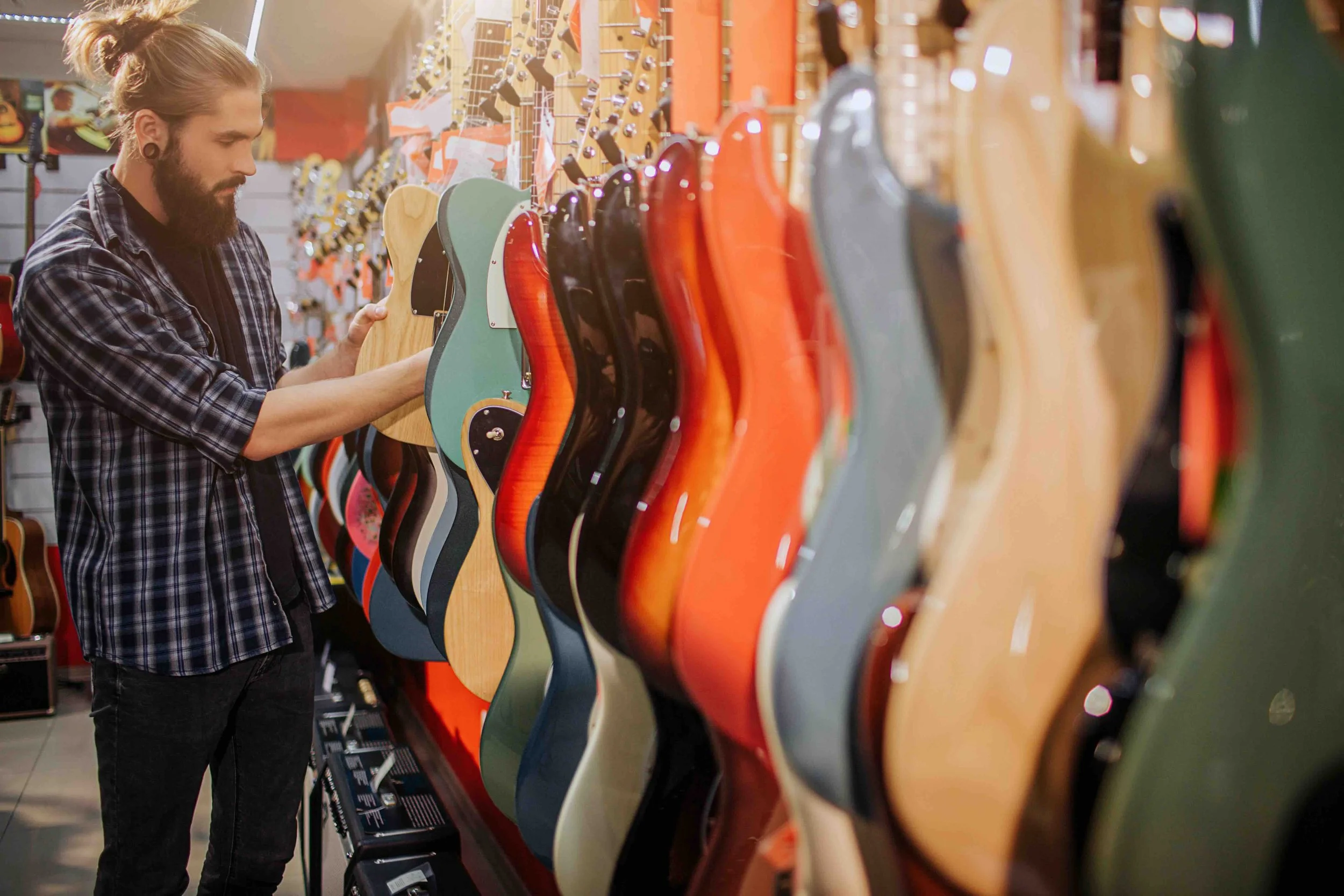
A handcrafted guitar isn't simply wood and strings.
It's late at night writing songs.

Photo by WHstudio Leushin N | Adobe Stock
It's performing on stage.
It's years of dedication.
A handmade ceramic mug isn't simply pottery.
It's slow mornings.
Warm coffee.
Comfort.
Connection.
Likewise, an original painting isn't just pigment on canvas.
It's emotion.
Perspective.
Identity.
Visual storytelling transforms products into experiences.
Rather than documenting what something looks like, professional photography helps communicate why it matters.
That emotional layer is often what separates memorable brands from forgettable ones.
Better Photography Makes Your Entire Brand Feel More Valuable
Every interaction a customer has with your business contributes to their perception of value.
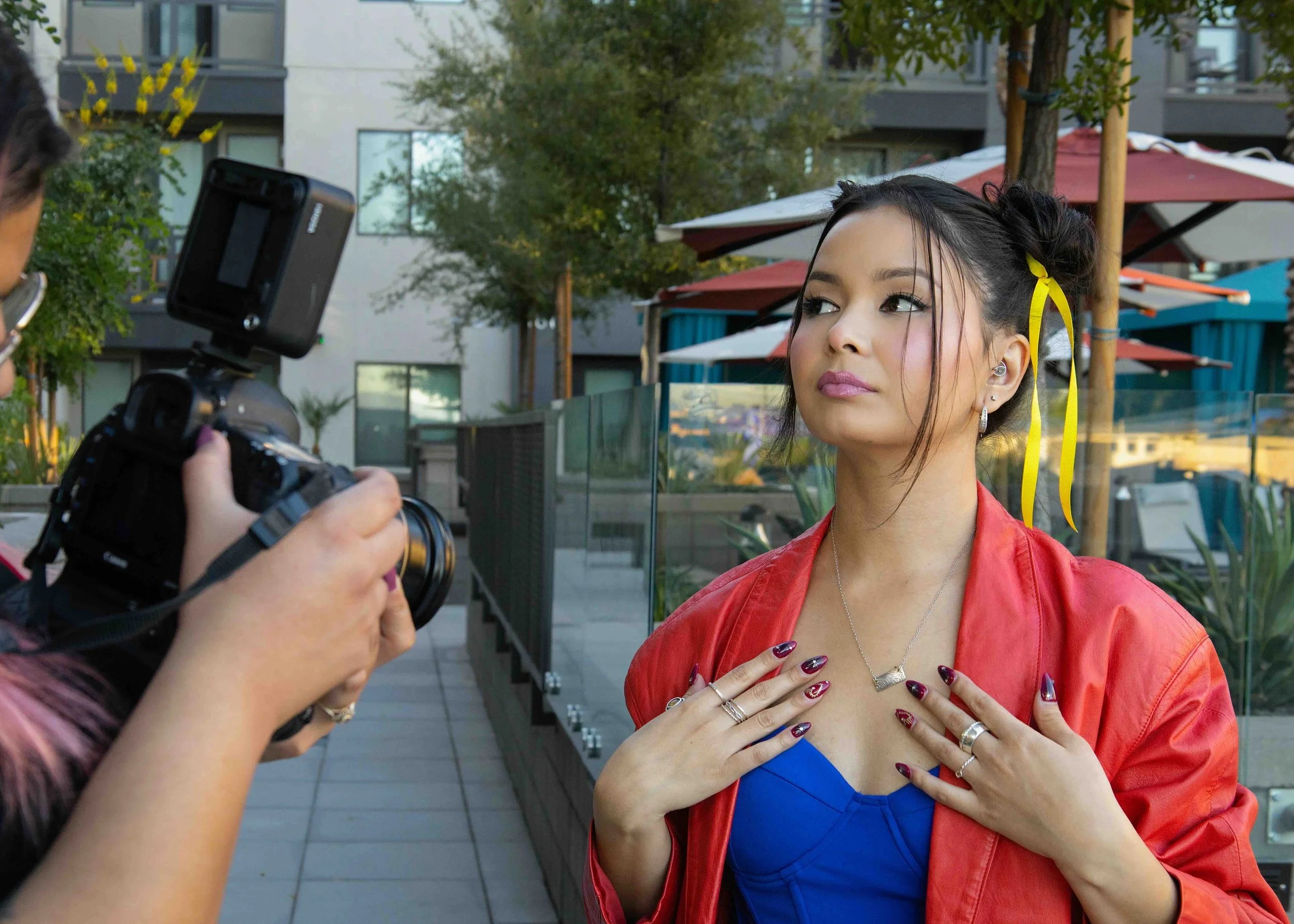
Photo by EJ Mañón | Contagion Media
Your website.
Social media.
Advertising.
Packaging.
Email newsletters.
Online marketplace listings.
If your photography lacks consistency, your brand can unintentionally feel fragmented—even if your products are exceptional.
Professional photography creates visual consistency across every platform.
Customers begin recognizing your style before they even see your logo.
This familiarity builds trust over time while strengthening your brand identity.
For artists and creative entrepreneurs, this is especially valuable because your brand often grows through recognition.
When your imagery shares a consistent visual language—similar lighting, colors, composition, editing style, and storytelling—your work becomes immediately identifiable.
That's one of the defining characteristics of successful luxury brands.
They don't simply create beautiful products.
They create recognizable visual experiences.
Professional photography is one of the foundations that makes this possible.
Better Photography Makes Every Marketing Dollar Work Harder
Professional photography doesn't just improve your website—it strengthens nearly every aspect of your marketing.
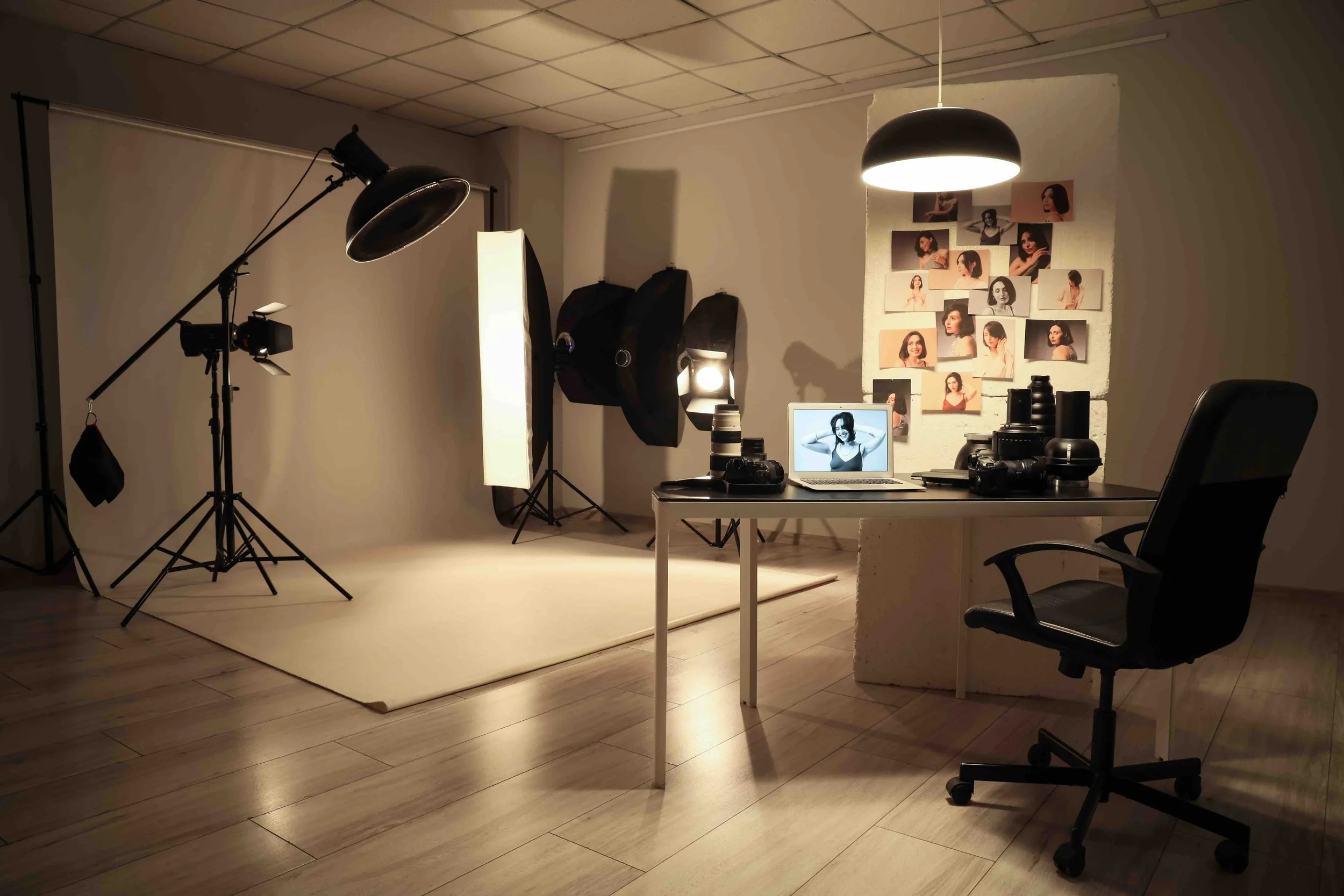
Photo by Pixel-Shot | Adobe Stock
Think about how many places your images appear:
Your homepage
Product pages
Social media
Google Business Profile
Email campaigns
Digital advertisements
Blog articles
Press releases
Magazine features
Printed marketing materials
Trade show displays
When each of these channels uses cohesive, professionally produced imagery, your brand becomes instantly more recognizable.
This consistency is more than a design preference—it's a business asset.
Consumers are exposed to thousands of marketing messages every day. Familiar visuals help your brand stand out in a crowded feed and make it easier for customers to recognize your business over time.
Even a single professional photoshoot can produce content for months of marketing. A well-planned session might include hero images, detail shots, vertical images for social media, horizontal website banners, behind-the-scenes content, lifestyle photography, team portraits, and short-form video clips.
Instead of constantly scrambling to create new content, you begin building a library of assets that can be repurposed across multiple platforms.
Professional photography becomes an investment that continues delivering value long after the camera is put away.
Professional Photography Can Improve SEO
Many business owners think search engine optimization is only about keywords.
In reality, visual content plays an important role in how people interact with your website, and those interactions can influence your overall search performance.
High-quality original photography can help by:

Photo by KBR | Contagion Media
Encouraging visitors to stay on your website longer.
Increasing engagement with product pages and blog posts.
Increasing engagement and opportunities for people to discover and interact with your content.
Supporting image search visibility through descriptive filenames and alt text.
Strengthening topical authority when paired with valuable written content.
Original photography also helps distinguish your website from competitors using the same stock images.
Search engines aim to reward helpful, original content. While exceptional photography alone won't guarantee higher rankings, combining original visuals with informative articles creates a stronger overall experience for both visitors and search engines.
For artists and creative brands, that's a significant advantage.
Your work is inherently visual. Investing in authentic photography gives search engines—and potential customers—something unique to discover.
Better Photography Can Reduce Product Returns
One overlooked benefit of professional photography is its ability to set accurate expectations.
Returns often happen because customers feel surprised when a product arrives.
Maybe the color looked different.
Maybe they expected it to be larger.
Maybe they misunderstood the texture or finish.
Professional photography helps prevent these misunderstandings by presenting products honestly and thoroughly.
Showing multiple angles, close-up details, scale references, and lifestyle images gives buyers a clearer understanding of what they're purchasing.
This transparency benefits everyone.
Customers receive exactly what they expected.
Businesses spend less time handling returns, exchanges, and customer service issues.
For handmade products, artwork, limited editions, and custom pieces, accurate photography can be especially valuable because every item may have unique characteristics that deserve to be documented.
Professional Photography Supports Premium Pricing
Competing on price is one of the fastest ways to limit your growth.

Photo by Taylore Evans | Contagion Media
Creative businesses rarely become successful by being the cheapest option available.
Instead, they succeed by creating value that customers can clearly recognize.
Professional photography helps communicate that value before a customer reads your product description.
Many luxury brands have understood this for decades.
They don't simply photograph products.
They carefully control lighting, composition, styling, color, location, and presentation to create an experience that feels elevated.
That same principle applies whether you're selling original paintings, handmade jewelry, designer clothing, artisan candles, ceramics, or creative services.
When every image reflects quality and craftsmanship, customers begin evaluating your work differently.
The conversation shifts away from:
"Why is this more expensive?"
To:
"This looks like something worth investing in."
That change in perception can be one of the most valuable returns on professional photography.
Why Artists and Creative Brands Have the Most to Gain
Few industries rely on visuals as heavily as the creative industry.
Artists don't just sell products.
They sell originality.
Emotion.
Vision.
Craftsmanship.
Identity.
Every photograph becomes part of that story.
Whether you're a fashion designer launching a new collection, a musician releasing an album, a painter exhibiting original work, or a skincare brand introducing handcrafted products, your visuals influence how your audience perceives your business long before they experience the product itself.
Professional photography helps ensure that your first impression accurately reflects the quality of your work.
Instead of asking customers to imagine your value, you allow them to see it.
For emerging creative brands, this can help establish credibility.
For established businesses, it reinforces consistency and trust.
Either way, photography becomes more than documentation.
It becomes one of your strongest marketing tools.
Final Thoughts
Professional photography isn't about making products appear perfect.
It's about representing them with clarity, authenticity, and intention.
Every image your audience sees communicates something about your business.
It tells them whether your brand feels trustworthy.
Whether your craftsmanship appears professional.
Whether your products seem worth their investment.
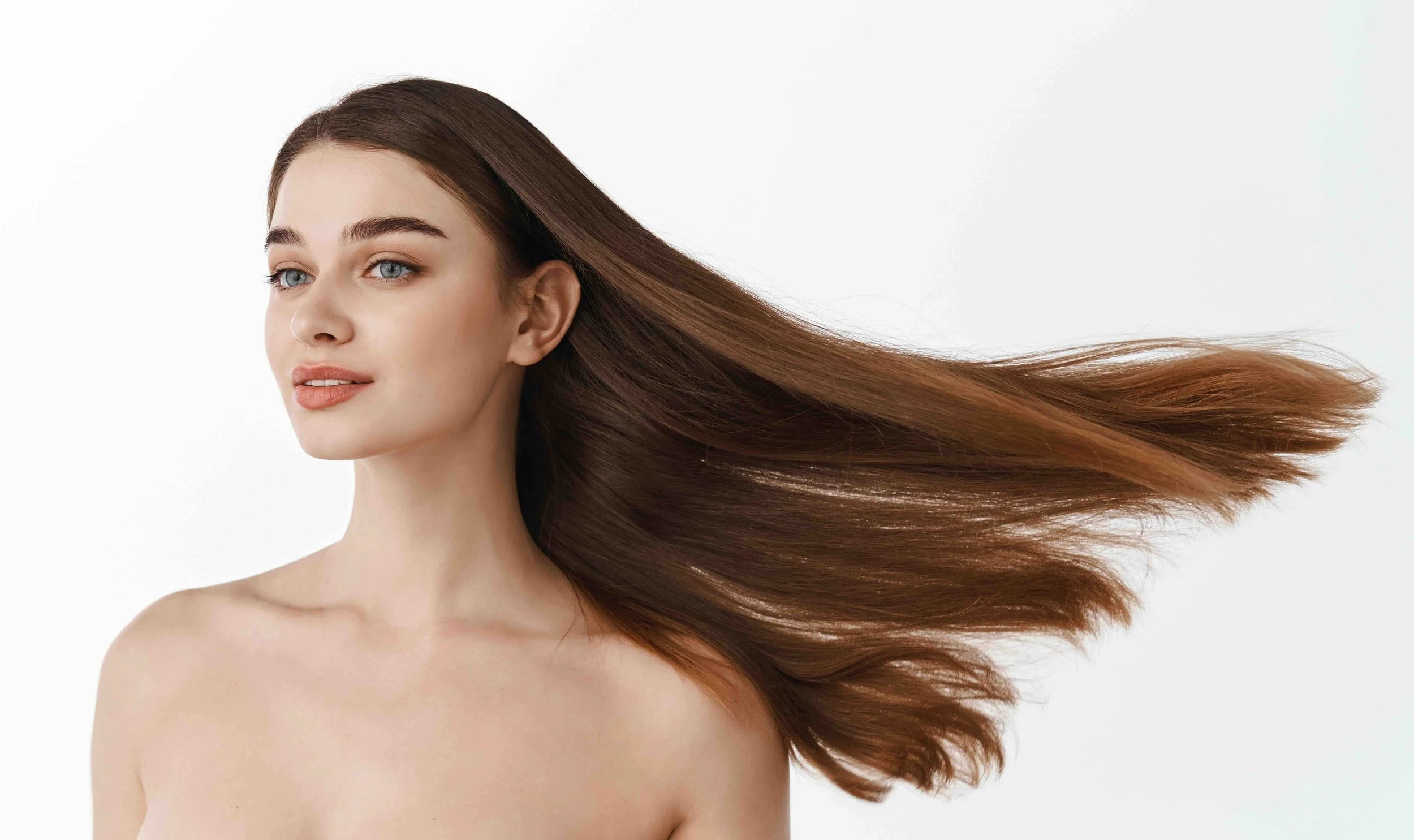
Photo by Cookie Studio | Adobe Stock
Whether your business pays attention to detail.
Those impressions influence purchasing decisions every day.
For artists and creative brands, exceptional visuals aren't an optional finishing touch—they're part of the product experience itself.
As online competition continues to grow, businesses that invest in original, thoughtful imagery will be better positioned to attract attention, earn trust, and convert interest into lasting customer relationships.
The strongest brands understand that people don't simply buy products.
They buy confidence.
They buy experiences.
They buy stories.
Professional photography helps communicate all three.
Let Your Brand Speak Before You Say a Word
At Contagion Media, we believe remarkable creative work deserves remarkable presentation.
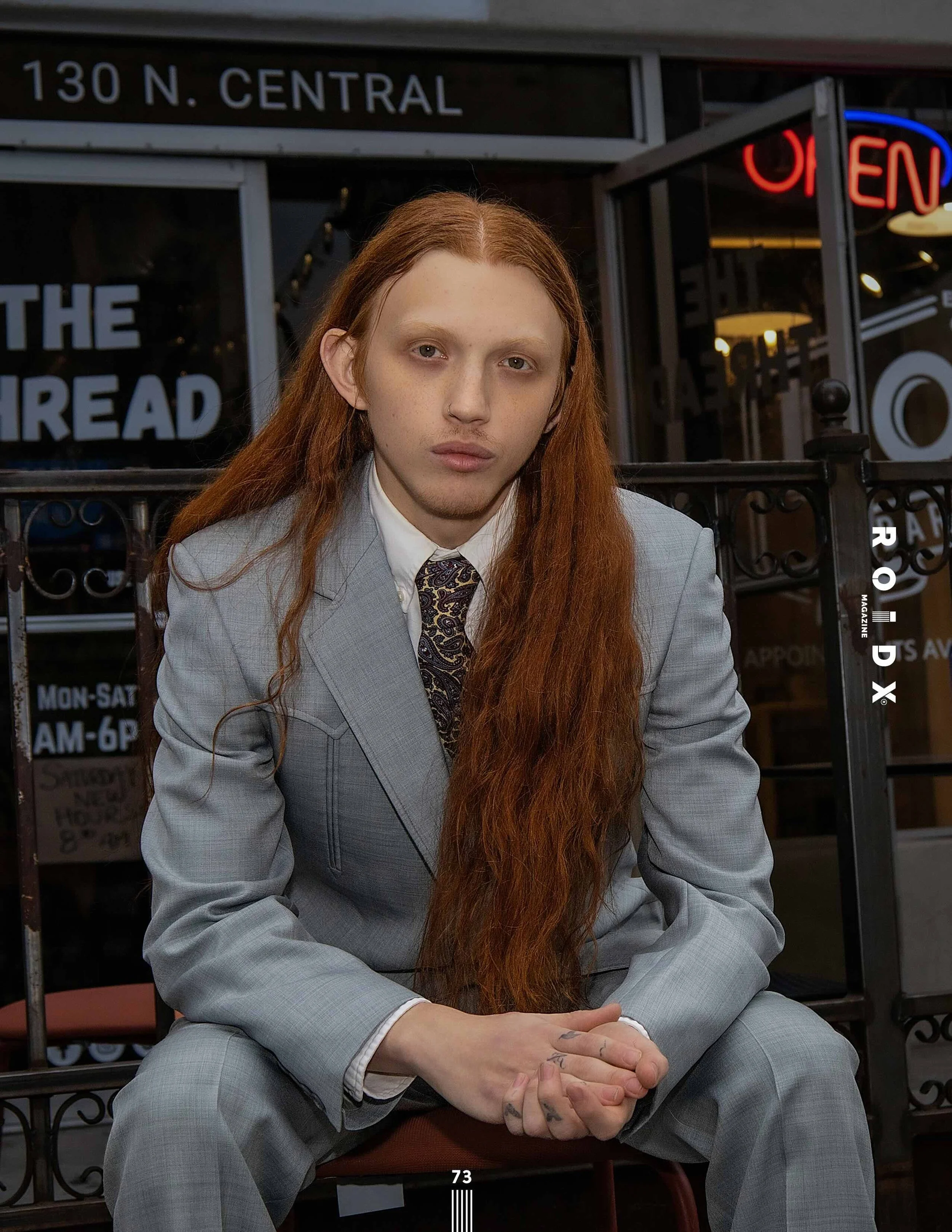
Modeling by B Bailey, Photo by EJ Mañón | Contagion Media
We partner with artists, designers, musicians, fashion labels, beauty brands, and creative entrepreneurs to produce imagery that goes beyond documenting a product—it communicates craftsmanship, personality, and purpose.
Whether you're launching a new collection, refreshing your ecommerce store, building a luxury brand, or creating content for your next marketing campaign, our team develops photography designed to capture attention and strengthen your visual identity.
If you're ready to elevate your brand and create imagery that helps customers buy with confidence, we'd love to help you tell your story.
Because in today's digital world, your photographs are often your first opportunity to make an unforgettable impression.
Frequently Asked Questions
Is professional photography worth it for small creative businesses?
Yes. Professional photography often provides long-term value by improving first impressions, increasing customer confidence, and creating reusable marketing assets for websites, social media, advertising, and email campaigns.
Does professional photography increase online sales?
While no single marketing tactic guarantees sales, professional photography can improve customer trust, reduce uncertainty, showcase product quality, and support stronger conversion rates by helping buyers make more informed purchasing decisions.
How many product photos should I include?
Most ecommerce listings benefit from multiple images showing different angles, close-up details, scale references, and at least one lifestyle photograph. The goal is to answer as many buyer questions visually as possible.
What's the difference between product photography and brand photography?
Product photography focuses on accurately presenting individual items for sale, while brand photography captures the personality, values, and overall identity of a business. Most creative brands benefit from using both together.
How often should businesses update their photography?
A good rule of thumb is to refresh your photography whenever you launch new products, update your branding, redesign your website, or begin a new marketing campaign. Many growing businesses schedule new content every three to six months to keep their marketing fresh.
Edited by Natalie Wheeler on August 7, 2026