
The Anatomy of a Magazine: What Every Magazine Needs to Succeed
By KBR
Learn the anatomy of a magazine – from cover to design to marketing.
Magazines have long been one of the most influential forms of media in the world. From fashion and music to business and culture, magazines have helped shape trends, launch careers, and tell stories that define generations. While social media and digital content dominate much of today's attention economy, magazines continue to hold a unique position as curated collections of ideas, visuals, and voices that create a lasting impact.
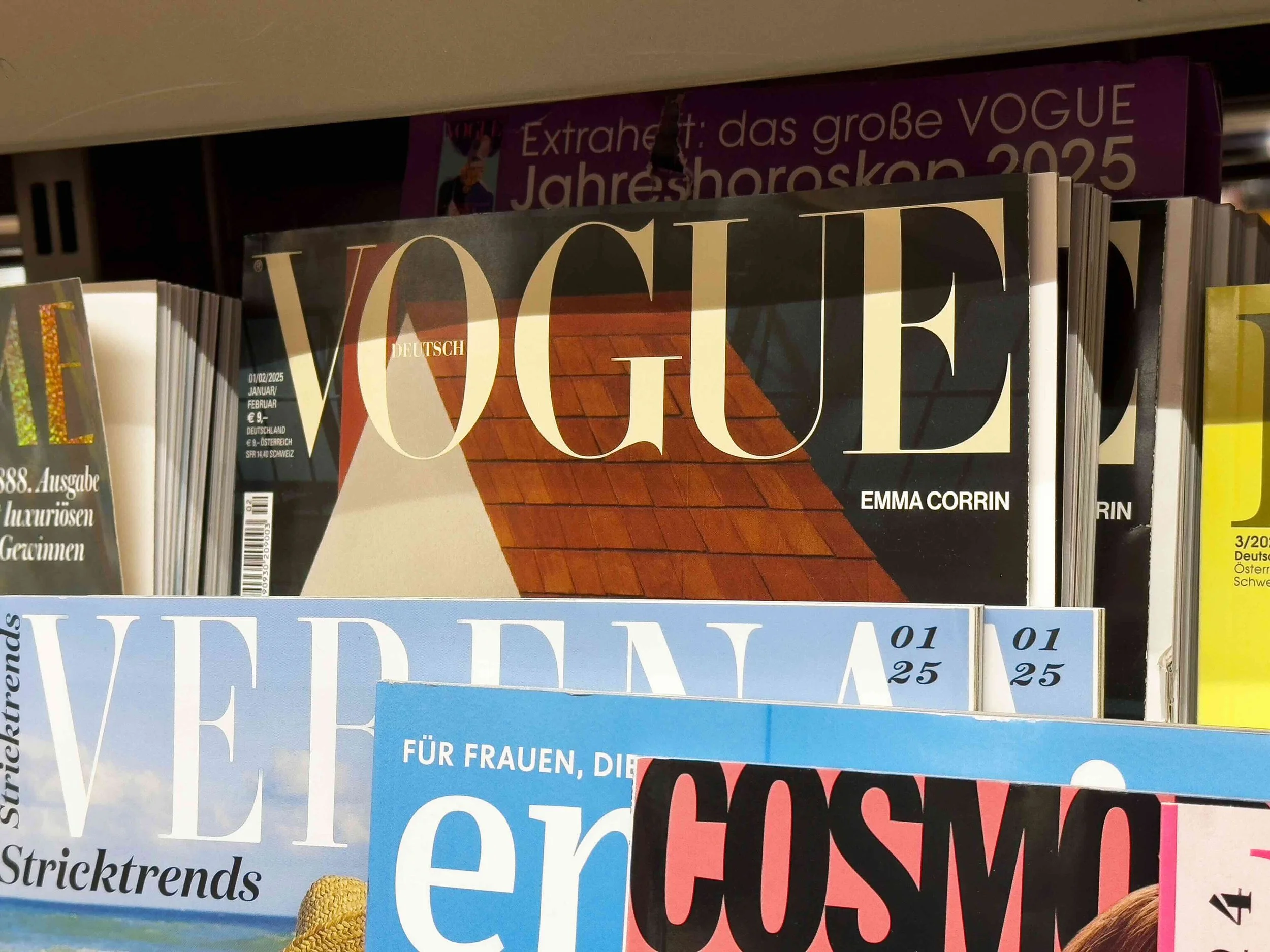
Photo by HelgaQ | Adobe Stock
Whether it's a glossy print issue displayed on a coffee table or a digital publication shared across the globe, a well-crafted magazine is much more than a collection of pages. It is a carefully designed experience that combines storytelling, visual identity, strategy, and branding into a single product.
For creatives, entrepreneurs, artists, and business owners, creating a magazine can be one of the most powerful ways to establish authority, build a community, and create new revenue opportunities. However, many people underestimate how much planning, writing, design, editing, and marketing goes into producing a publication that people actually want to read.
Since creating a magazine can take hundreds (and sometimes thousands) of hours, having skills in writing, graphic design, photography, and art direction is crucial to the process. If you've ever wondered what goes into making a professional magazine, this guide breaks down the anatomy of a magazine from front cover to back page.
Why Magazines Matter in Modern Culture

Photo by Pixel-Shot | Adobe Stock
Despite the rise of short-form content, magazines remain an important part of pop culture and media. Unlike social media posts that disappear within hours or days, magazines create a permanent record of a moment in time. They preserve stories, document creative movements, and provide a deeper level of engagement than most online content. Publications like Vogue, Harper’s Bazaar, and Paper Magazine regularly feature the globe’s biggest names. The industry’s most recognizable artists, musicians, models, entrepreneurs, and innovators have been introduced to audiences through magazine features. Being featured in a publication often carries a sense of credibility because readers understand that editors carefully selected and curated the content. Magazines also offer something increasingly rare in today's media landscape: intentional storytelling. Instead of consuming random content through algorithms, readers engage with a complete experience where every article, image, and design choice contributes to a larger narrative. For brands and creatives, this makes magazines a powerful tool for building trust and long-term recognition.
How Creating Your Own Magazine Can Build Your Brand
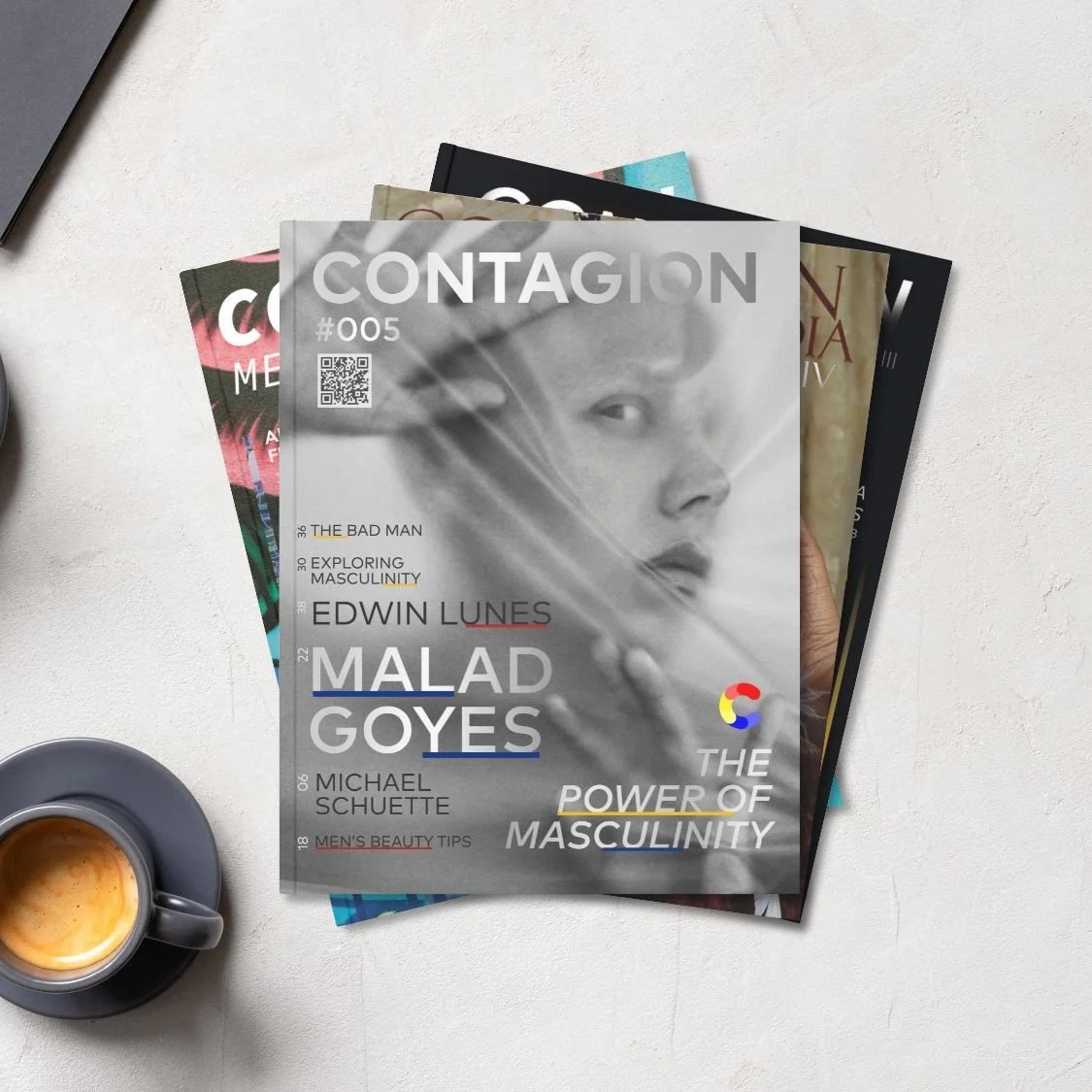
Photo by Pixel-Shot | Adobe Stock
Launching a magazine isn't just for large publishing companies anymore. Independent creators, artists, businesses, and entrepreneurs are increasingly creating niche magazines to establish themselves as industry leaders.
Publishing a Magazine Helps:
Build Authority
Publishing original content positions you as a curator and expert within your niche. Rather than simply participating in conversations, you're creating the platform where those conversations happen.
Grow Your Community
A magazine naturally brings together contributors, readers, photographers, writers, designers, and featured talent. Over time, these relationships can become a thriving creative ecosystem around your brand.
Expand Your Reach
Every contributor and feature often shares the publication with their own audience, creating organic exposure that can significantly increase visibility.
Create Multiple Revenue Streams
Photo by Kwangmoozaa | Adobe Stock
Magazines can generate revenue through:
Advertising
Sponsorships
Print sales
Digital subscriptions
Affiliate partnerships
Merchandise
Premium content
Event partnerships
Many successful media brands started with a single publication before expanding into podcasts, events, educational products, consulting services, and creative agencies.
Build a Valuable Brand Asset
Unlike a social media account that depends on changing algorithms, a magazine becomes intellectual property that you own and control. Each issue adds to your portfolio, strengthens your credibility, and increases your brand value over time.
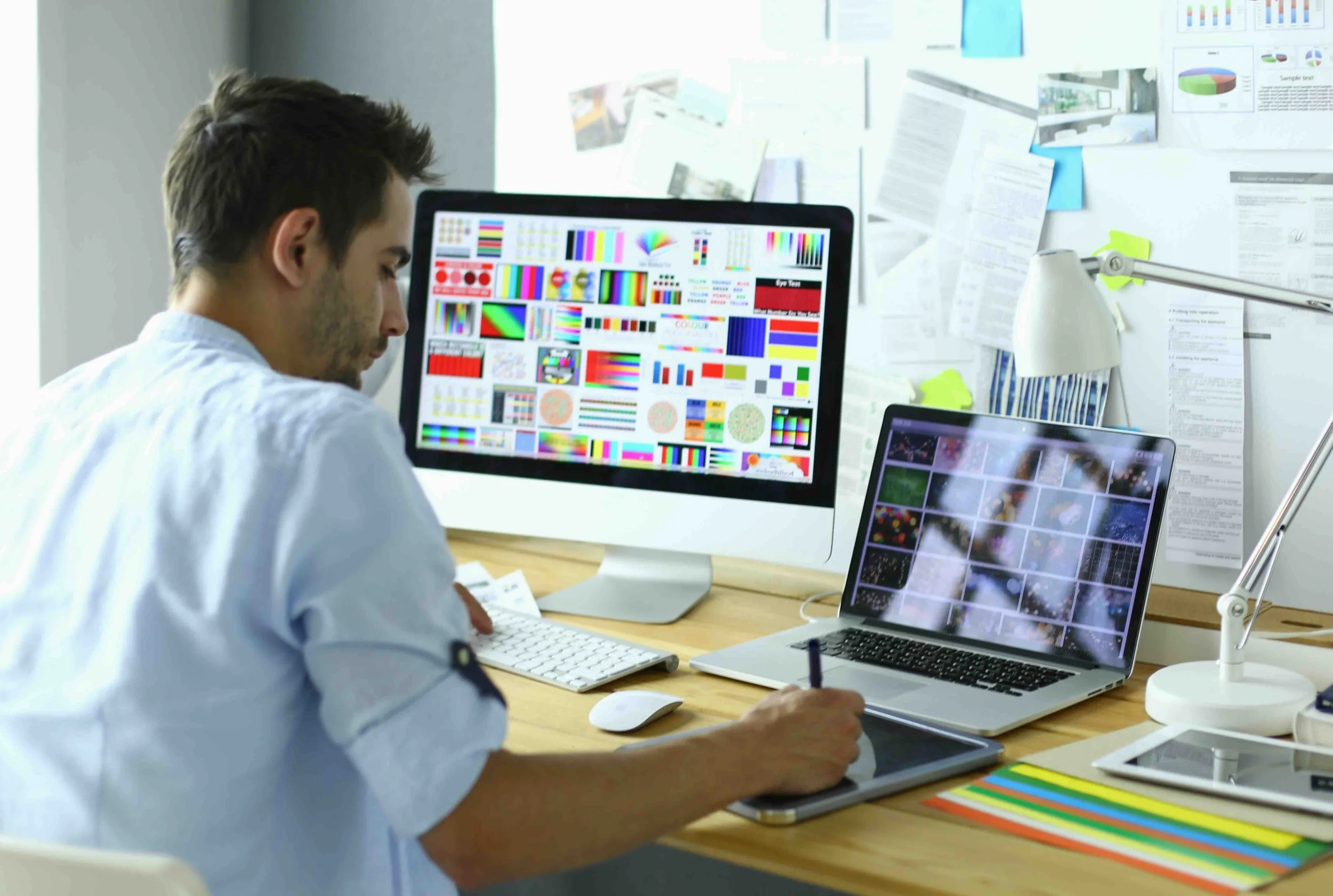
Photo by s_l | Adobe Stock
The Anatomy of a Magazine
At its core, a magazine consists of two major components:
Content
Design
The strongest magazines understand that these elements work together. Great writing without great design can feel flat, while beautiful design without compelling content rarely keeps readers engaged.
Let's break down the key sections that make up a professional publication.
Content: The Heart of Every Magazine
Content is what gives a magazine its purpose.
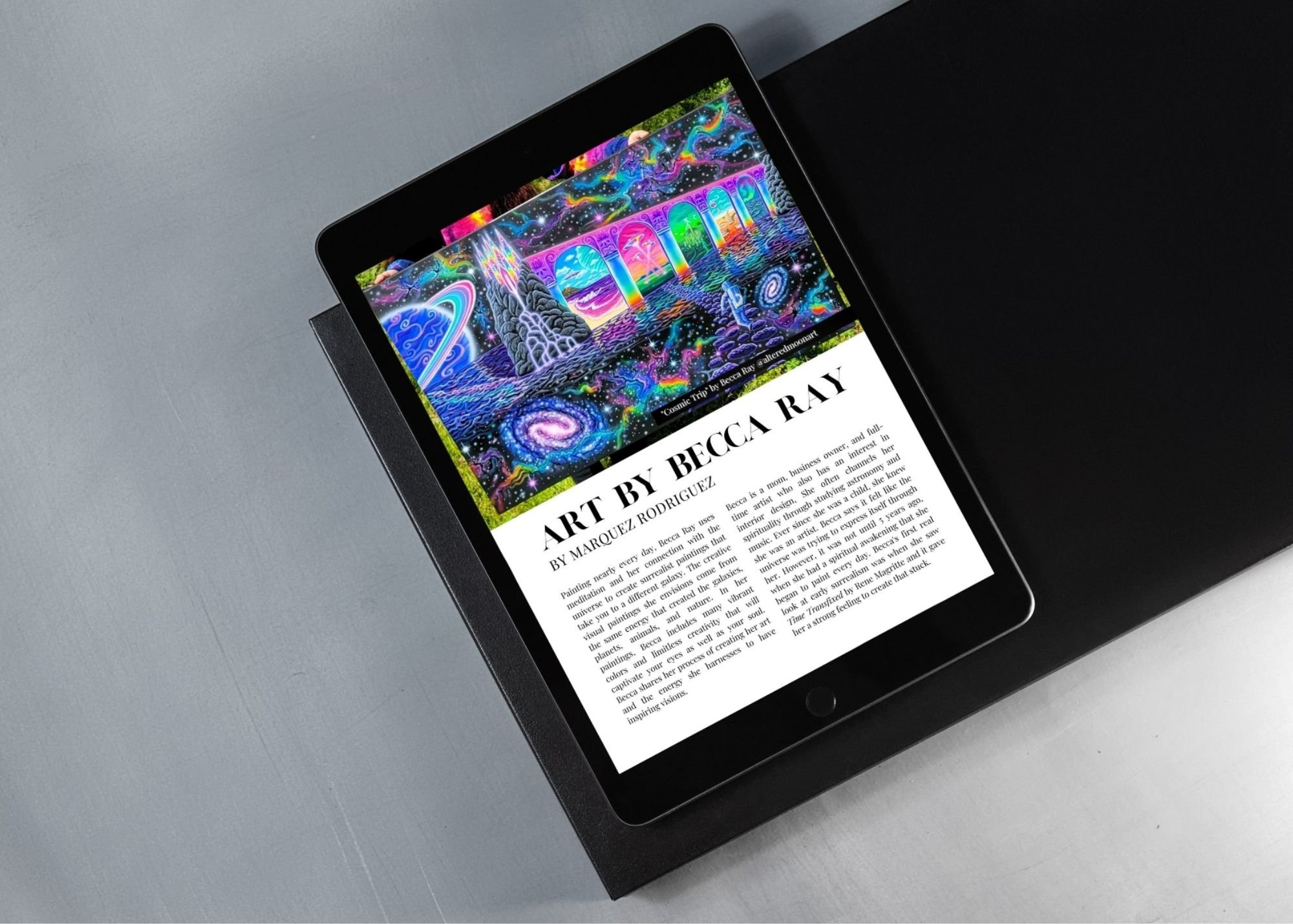
LOUD Magazine #001, “Art by Becca Ray” | Contagion Media
Before any layouts are created, editors typically determine:
The theme of the issue
Featured stories
Contributors
Photography needs
Target audience
Editorial direction
The content should align with the overall mission and identity of the publication.
For example, a fashion magazine may focus on editorials, designer interviews, and industry trends, while an entrepreneurial magazine might feature business insights, founder stories, and industry analysis. Every article should support the larger vision of the issue.
Design: The Experience Behind the Stories
Graphic design transforms content into an immersive experience.

Photo of La Unica by KBR | Contagion Media
Design influences:
Readability
Visual appeal
Brand identity
Reader engagement
Professionalism
Every font choice, image placement, color palette, and page layout contributes to how readers experience the publication. Strong magazine design balances creativity with functionality, ensuring the publication is visually exciting without becoming difficult to navigate.
The Front Cover
The front cover is arguably the most important page in the entire magazine. Its primary job is to make someone stop scrolling, stop walking, or stop flipping pages and pay attention.
A successful cover typically includes:
A compelling cover image
Magazine logo (masthead)
Feature headlines
Issue date
Volume or issue number
Strategic visual hierarchy
Think of the cover as a billboard for everything inside. If the cover fails to capture attention, readers may never discover the stories you've worked so hard to create.
The Inside Front Cover
The inside cover is often overlooked, but it serves several important purposes.
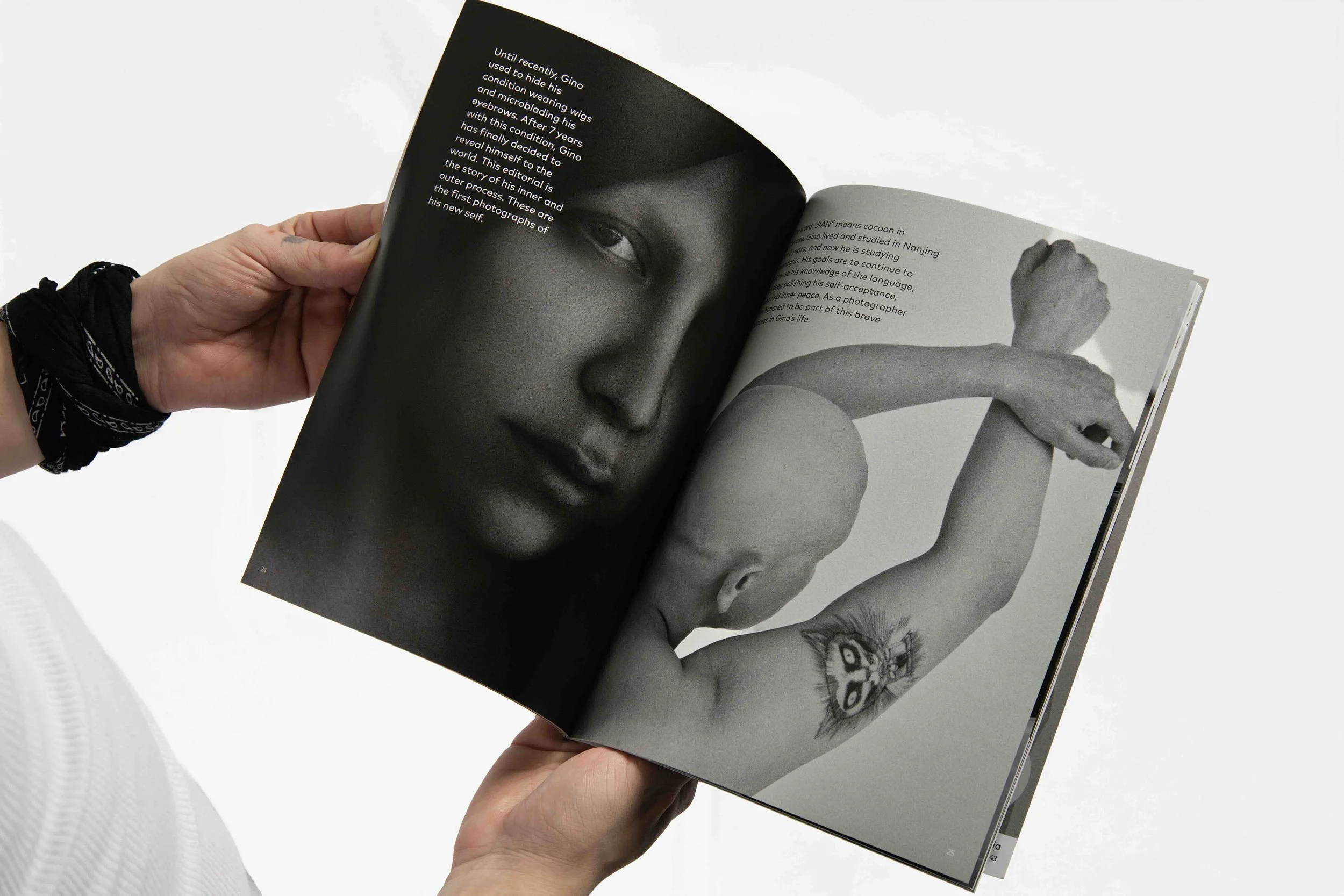
Contagion Magazine Vol. 5: The Power of Masculinity, Modeling by B Bailey, Photo by EJ Mañón | Contagion Media
Many publications use this space for:
Advertisements
Sponsor placements
Promotional content
Special announcements
Because it is one of the first pages readers see, it often carries premium advertising value. For independent publishers, this space can become an additional source of revenue.
The Letter From the Editor
The editor's letter provides a personal introduction to the issue. This section allows readers to connect with the vision behind the publication and understand the inspiration for the content they've chosen to explore.
A strong editor's letter often includes:
The theme of the issue
Behind-the-scenes insights
Industry observations
Personal reflections
Gratitude toward contributors
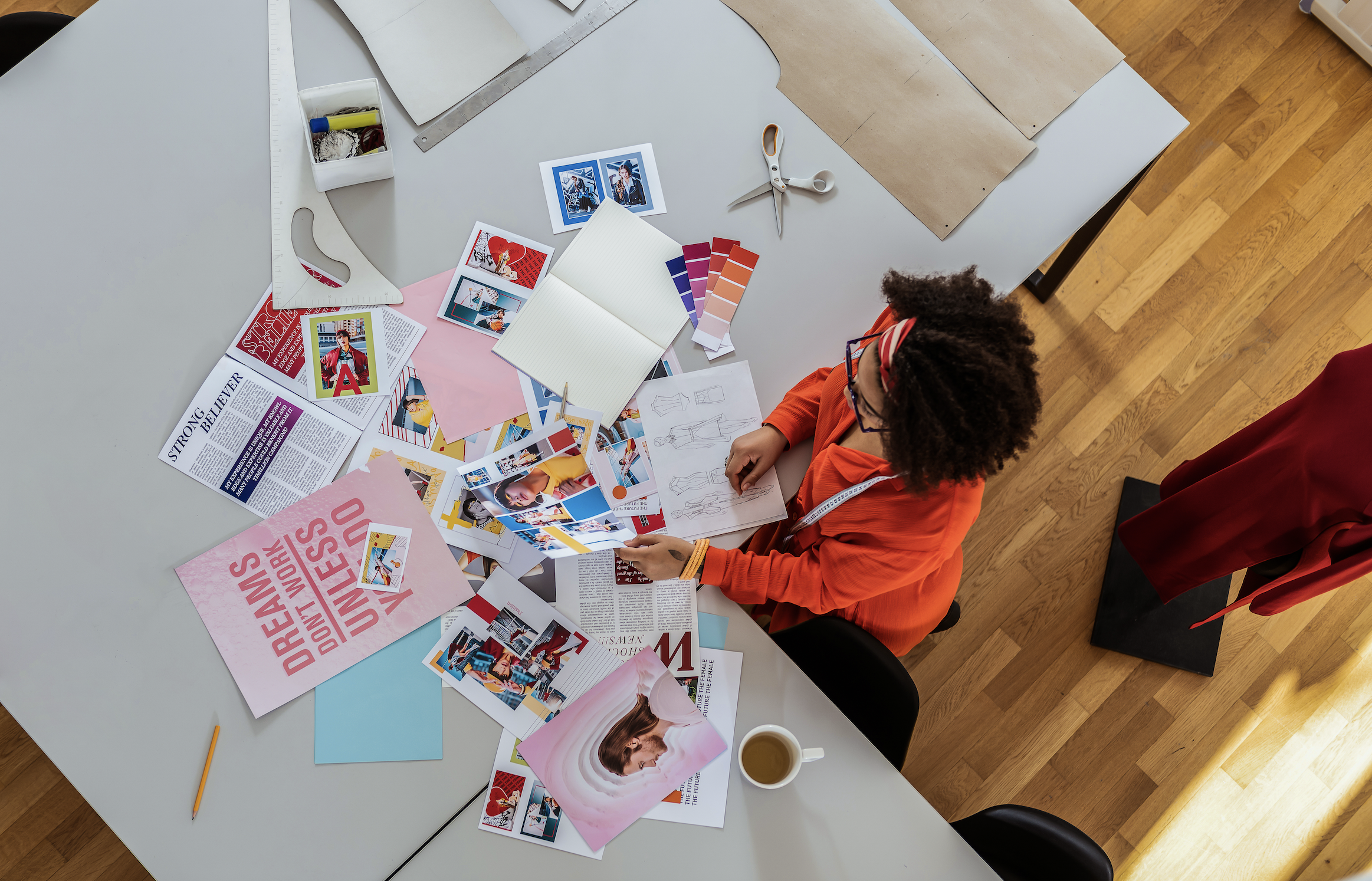
Photo by zinkevych | Adobe Stock
This page helps establish a human connection between the publication and its audience.
The Table of Contents
The table of contents serves as the roadmap for the publication.
Readers should be able to quickly understand:
What stories are included
Where to find them
How the issue is organized
An effective table of contents balances clarity with creativity. While functionality is important, many publications use this page as an opportunity to showcase additional photography and design elements.
Feature Articles and Editorial Content
The feature section is where the majority of the magazine's value is created. This is where readers spend most of their time and where the publication delivers on the promises made by the cover. A professional issue typically contains at least seven or more substantial pieces of content, though the exact number varies depending on page count and publication style.

Photo of La Unica by KBR | Contagion Media
Common Article Topics:
Interviews: Interviews offer readers direct access to industry leaders, artists, entrepreneurs, and innovators.
Editorial Features: These long-form stories dive deeper into a topic, trend, or individual.
Opinion Pieces: Opinion articles provide perspective and encourage discussion.
Educational Articles: These pieces help readers learn new skills, gain insights, or solve problems.
Industry Spotlights: Spotlights showcase businesses, creators, projects, and emerging talent. The strongest magazines combine multiple content formats to create a dynamic reading experience.

Fienfh Magazine, Modeling by B Bailey, Photo by Kevin Fides | Contagion Media
Editorial Photography
Photography is often what separates magazines from other forms of media. Editorial imagery with lots of detail and intentional choices helps tell stories in ways words cannot. Many magazines focus on art direction and styling to increase impact.
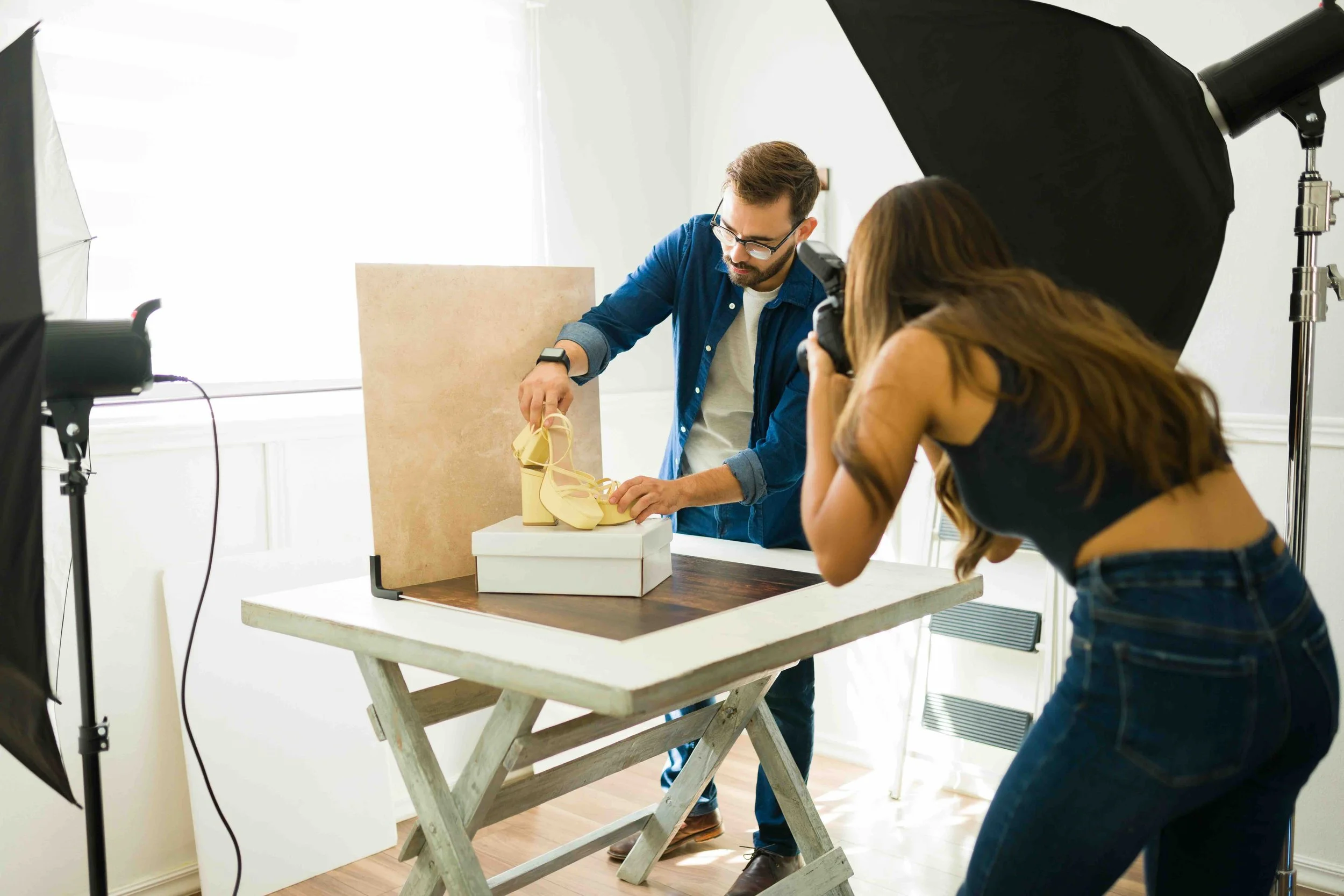
Photo by AntonioDiaz | Adobe Stock
High-quality visuals:
Increase engagement
Strengthen storytelling
Elevate perceived value
Reinforce branding
Create emotional impact
Whether working with photographers, illustrators, designers, or mixed media artists, visual storytelling should be treated as a core component of the publication rather than an afterthought.
Credits and Contributor Recognition
Every professional publication should include clear credits. These credits recognize the individuals who helped create the issue and provide transparency for readers.

Photo by Yakobchuk Olena | Adobe Stock
Typical credits include:
Writers
Photographers
Designers
Makeup artists
Stylists
Models
Editors
Producers
Creative directors
Anyone who contributed to the issue
Crediting contributors properly not only demonstrates professionalism but also helps strengthen relationships within your creative community.
Sources and Citations

Photo by Drobot Dean | Adobe Stock
Depending on the publication's content, sources may also be necessary. Fact-based articles should cite reputable references to maintain accuracy and credibility.
This is especially important for:
Research articles
Business content
Educational pieces
Industry analysis
Data-driven stories
Accurate sourcing helps build trust with readers and protects the publication's reputation. Many magazines use APA format for citation, but choose what is best for you and stay consistent.
The Inside Back Cover
Like the inside front cover, the inside back cover is often used for:
Advertising
Promotions
Sponsor acknowledgments
Upcoming issue announcements

Published in iMirage Magazine | Contagion Media
Because it receives strong visibility, it remains one of the most valuable advertising placements in a magazine. Highly engaging visuals ensure readers remember the magazine long after reading it.
The Back Cover
The back cover serves as the publication's final impression. Similar to the front cover, the back cover is one of the first things readers see before opening the magazine and can convince the reader to take a chance. Many magazines use this space for:
Premium advertisements
Brand campaigns
Featured visuals
Upcoming issue promotions
A strong back cover leaves readers with a memorable final image while reinforcing the publication's identity.
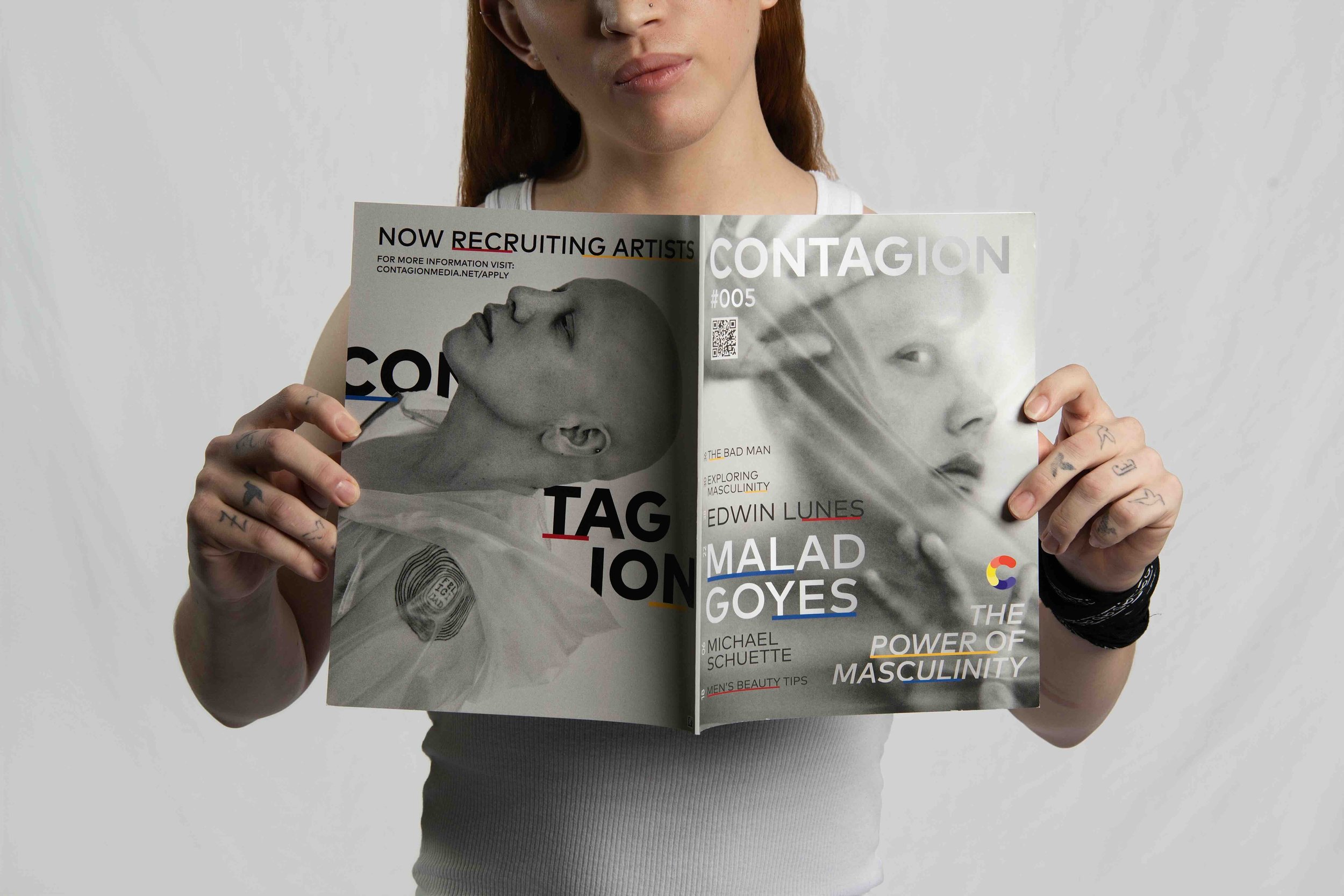
Modeling by B Bailey, Photo by EJ Mañón | Contagion Media
Print vs. Digital Magazines
Today's publishers often offer both for optimized accessibility, but you can choose between print and digital format.
Print Magazines
Benefits include:
Tangible experience
Collectibility
Premium perception
Longer shelf life
Need help printing your magazine? Try MagCloud (no minimum quantities)
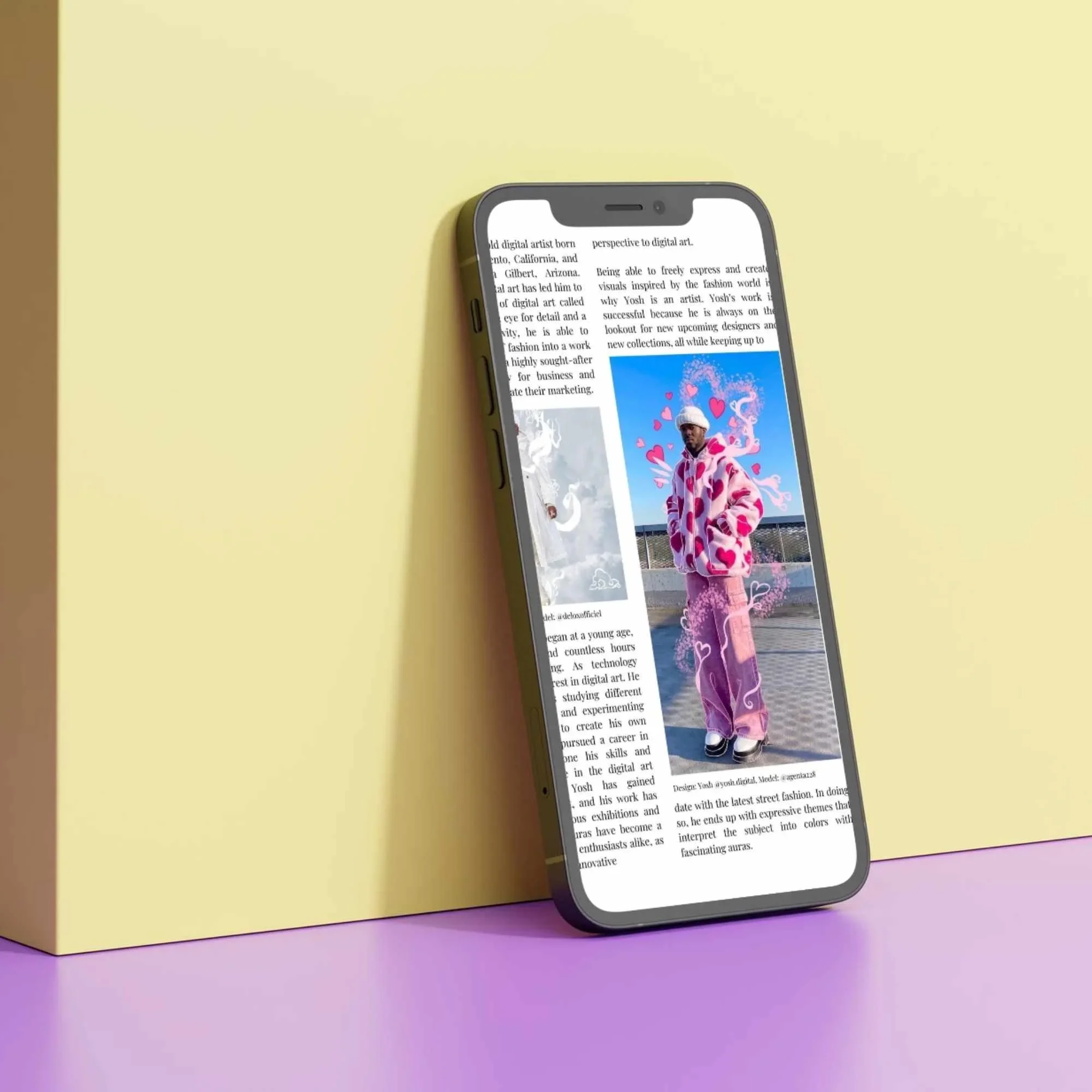
LOUD Magazine #001, Digital Design by Yosh, Article by Marquez Rodriguez | Contagion Media
Digital Magazines
Benefits include:
Lower production costs
Global accessibility
Interactive features
Faster distribution
Print magazines remind you of the way magazines were intended to be experienced, while digital formats can be helpful in gaining more readers. Many successful publications now utilize a hybrid approach, leveraging the strengths of both formats to maximize reach and engagement.
What Most New Publishers Forget: Marketing
One of the biggest misconceptions about magazine publishing is that creating the issue is the hardest part. In reality, publishing is only half the battle. Even the most beautiful magazine can struggle if nobody knows it exists.
Successful publishers invest heavily in:
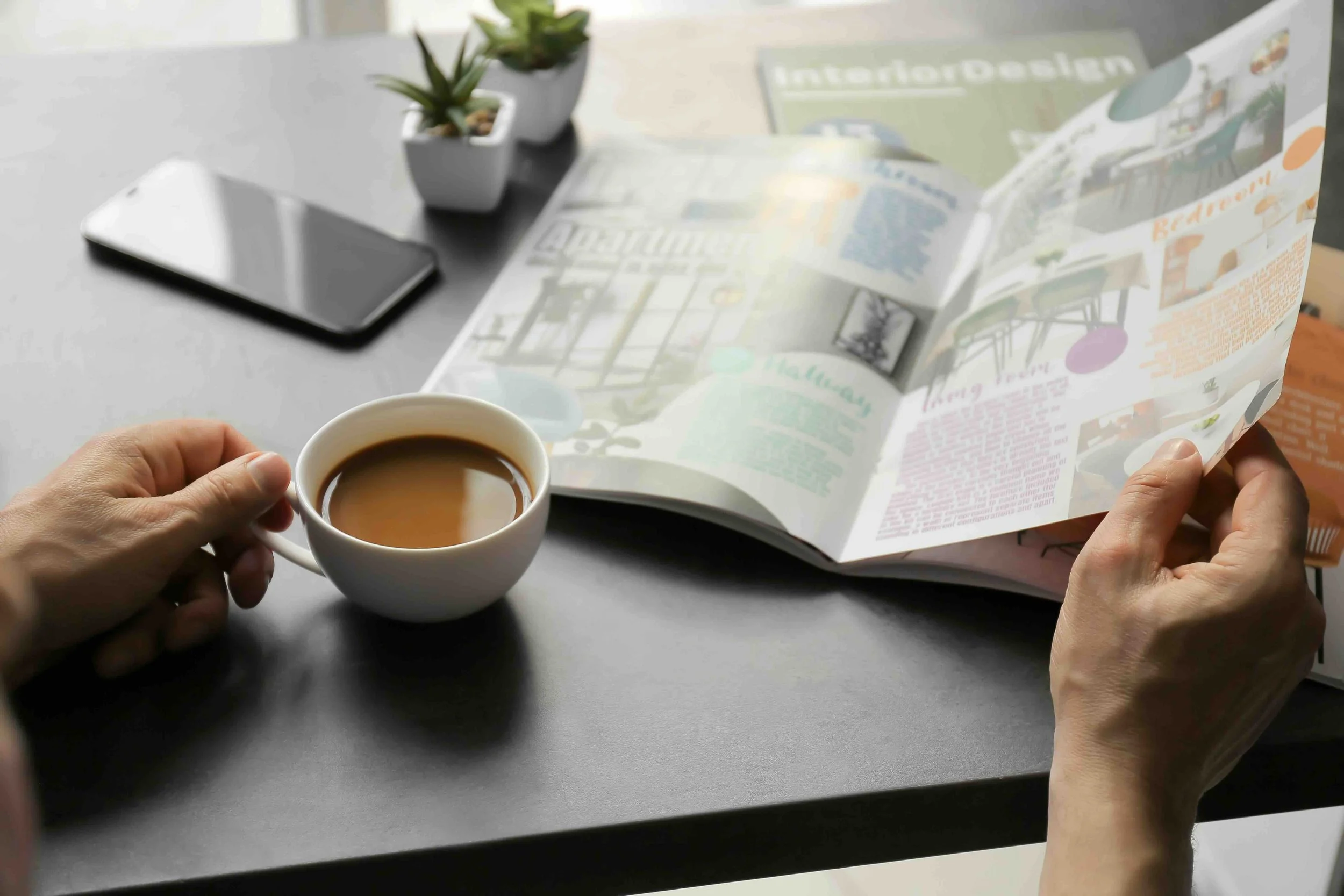
Contagion Magazine Vol. 5: The Power of Masculinity
Social media promotion
Email marketing
Press outreach
Search engine optimization (SEO)
Contributor promotion
Strategic partnerships
Video content
Community building
The publication itself is the product, but marketing is what brings readers to it. Without a distribution strategy, even exceptional content can go unnoticed. It is essential to find the right balance between producing and marketing for long-term success in your publication.
Understand the Process Before Releasing a Magazine
Creating a magazine is one of the most rewarding creative projects a person or brand can undertake. It combines storytelling, design, photography, strategy, branding, and community-building into a single medium capable of creating a lasting impact. An iconic magazine captures a moment, documents a culture, and preserves stories that may otherwise be forgotten.

Photo by Seventyfour | Adobe Stock
However, producing a successful publication requires much more than assembling articles and images. Planning, editing, design, contributor management, distribution, and marketing all play critical roles in determining whether a magazine succeeds. Understanding the anatomy of a magazine is the first step. Building an audience and getting your publication into readers' hands is the next challenge entirely.
Publish Your Magazine with Contagion Media
If you're interested in launching your own magazine but need guidance with editorial planning, design, contributor management, production, distribution, or marketing, the team at Contagion Media can help. From concept development to publication strategy, we help creators, entrepreneurs, artists, and brands transform ideas into professional publications that connect with audiences and create lasting value.
Edited by Natalie Wheeler on June 14, 2026