
Content Marketing For Your Next Music Album or EP
By KBR
How Independent Artists and Labels Can Plan a Full Creative Rollout That Converts Fans Into Loyal Customers
Releasing a music album isn’t just about dropping tracks on streaming platforms. The most successful artists and labels know that a strategically planned content rollout is what transforms an album from a collection of songs into a cultural moment. This guide will walk you through a high-level approach to building a premium, full-scale content strategy that positions your music for maximum impact, connecting you to loyal fans.
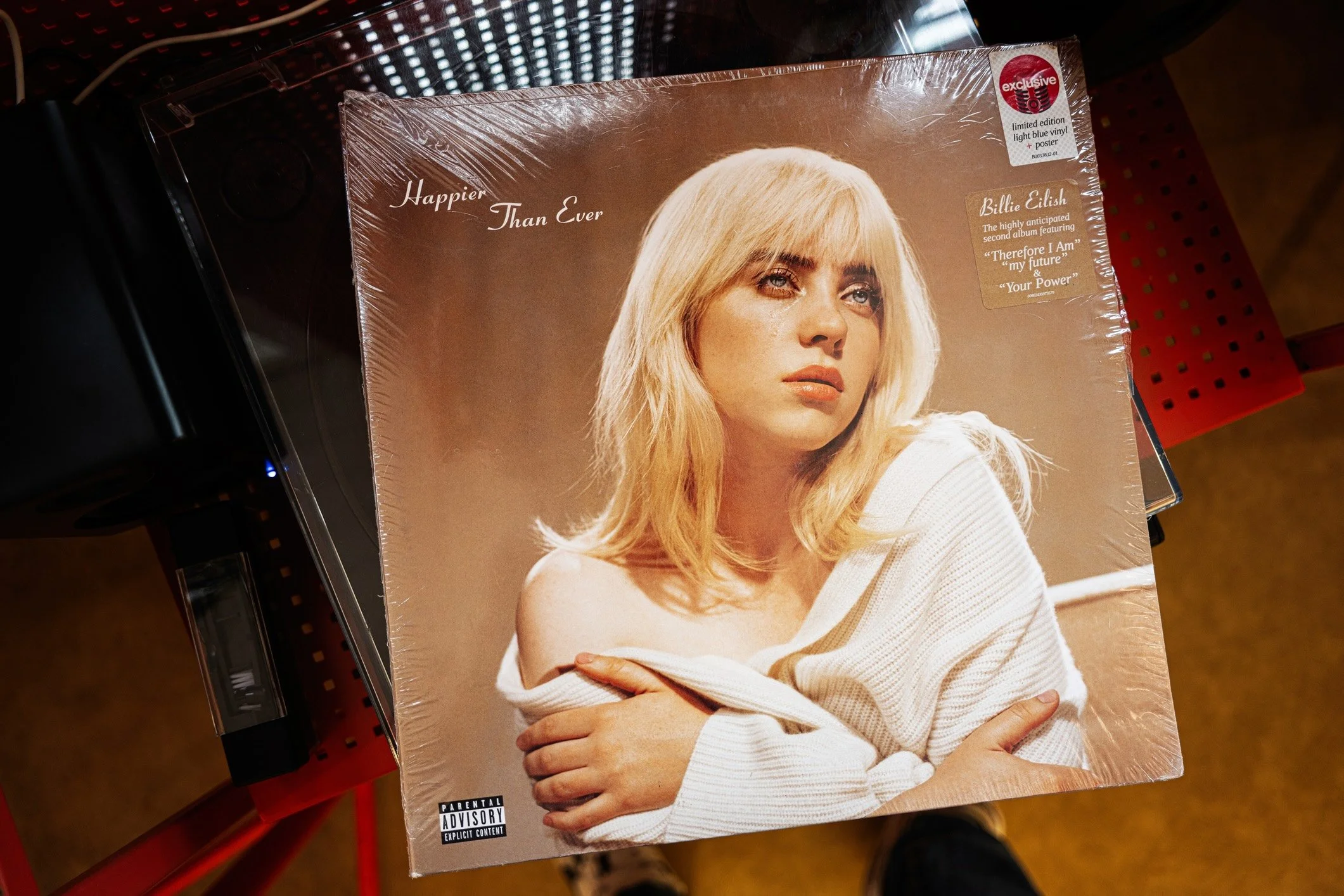
Photo by Asphoto777 | Dreamstime
1. Begin With Your Story
Before you shoot a single video or design a cover, define your narrative. What makes this album different? Why should someone care?
Identify the emotional journey: the mood, energy, and personal stories behind your music.
Decide on a visual theme: colors, aesthetic, and vibe that align with your sound.
Consider the brand alignment: how will this album reinforce your image or label’s identity?
When your story is clear, every piece of content you produce (from photos to music videos to social clips) becomes cohesive, memorable, and instantly recognizable.
2. The Album Artwork & Visual Identity
Your album cover is often the first thing fans will see. It should reflect your music’s essence and set the tone for your content rollout.
Invest in high-quality photography or design: This isn’t just a cover; it’s a brand statement.
Create a visual style guide: specify fonts, colors, and mood boards so that every subsequent content piece feels like part of the same story.
Think beyond the cover: album art can inspire social media templates, merchandise designs, lyric videos, and editorial assets.
3. Photo Shoots: Multi-Purpose Content
Photo by Mykhailo Polenok | Dreamstime
A single, well-planned photo shoot can yield dozens of assets.
Schedule lifestyle and studio sessions that capture different moods for diverse platforms: Instagram, press kits, TikTok, and YouTube thumbnails.
Include behind-the-scenes content: casual, authentic footage can create relatability, connection, and anticipation.
Don’t overlook video snippets during shoots. These clips can be turned into reels, stories, trailers, and short-form ads.
4. Music Videos: Storytelling in Motion
Music videos are no longer just “nice-to-have.” They’re crucial content hubs for every music artist hoping for success.
Plan videos that reflect singles strategically rather than creating one for every track.
Focus on high-ROI content that can drive streams and engagement.
Consider vertical content for TikTok and Instagram Reels to maximize shareability.
Consider mini-documentaries or lyric videos. These extend the lifespan of your singles and provide content for press outlets and playlists.
5. Social Media Rollout Strategy
A strong social media plan ensures every piece of content finds the right audience.
Teasers & countdowns: Build anticipation with short clips, behind-the-scenes photos, and countdown graphics.
Cross-platform optimization: Tailor content to each network (ex: TikTok dances, Instagram carousels, YouTube shorts, etc.)
User-generated content campaigns: Encourage fans to create dances, covers, or reactions. This expands reach without additional cost.
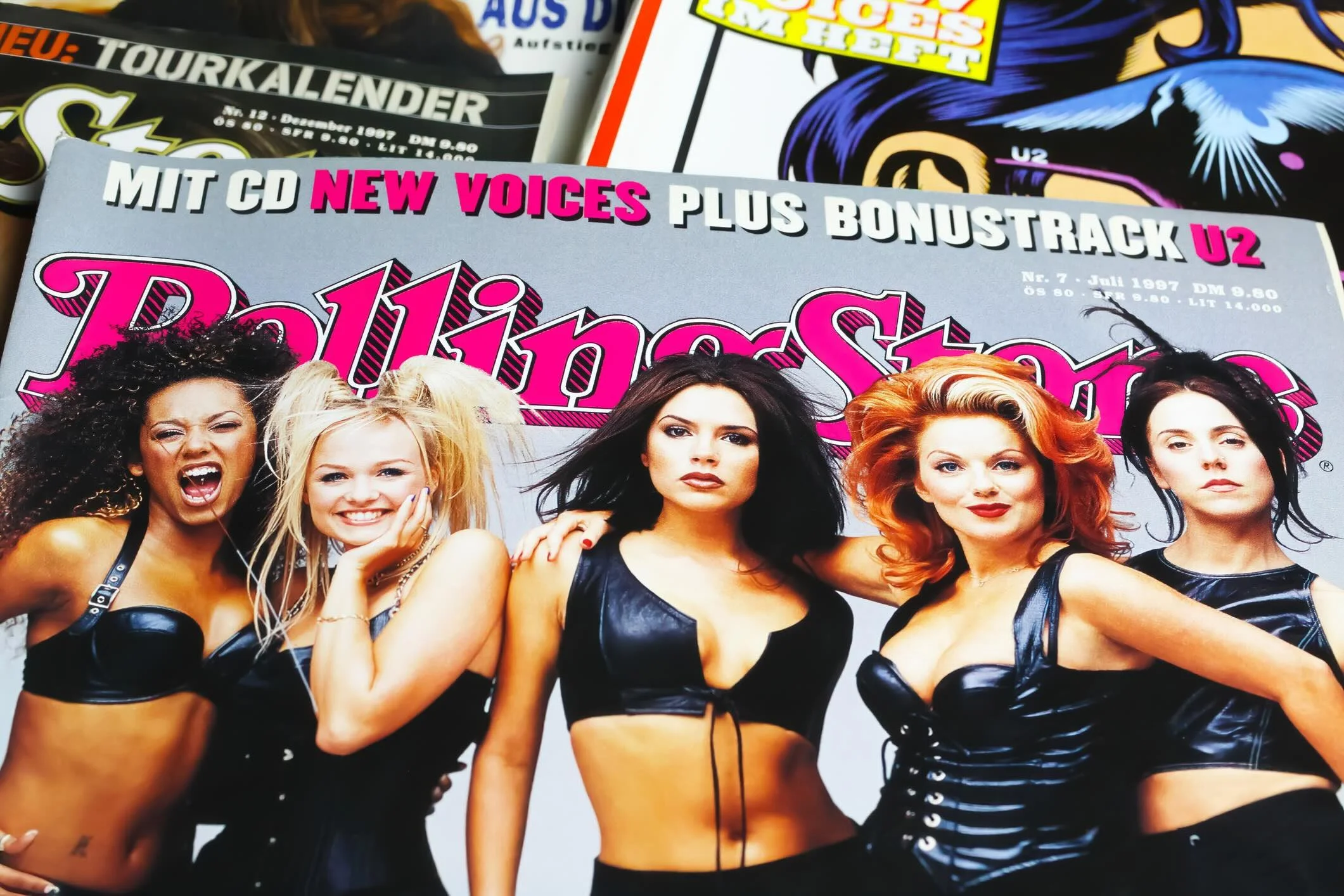
6. Editorials & PR-Style Content
Music releases always benefit from thoughtful editorial storytelling that gives better insight of your life and creative journey.
Pitch to music blogs, lifestyle magazines, and online outlets with unique narratives about the album’s creation.
Create exclusive interviews or behind-the-scenes features that give fans a sense of intimacy with the artist.
These assets can be repurposed as long-form social content or incorporated into a press kit for media and influencer outreach.
7. Dance Videos and Trend Integration
Short-form video is the modern driver of virality. Continuously think of ways your fans and potential fans can feel closer to you and your brand.
Partner with choreographers or influencers to create dance challenges aligned with your singles.
Use trending sounds and hashtags to reach audiences beyond your followers.
Repost and highlight fan-created content to boost engagement and loyalty.
8. Live Performances
Live performances and music tours are often a main source of income in the music industry. Scheduling concerts can help build authentic connections, bring in income, and help you find new fans, especially when you can get booked for festival lineups.
If you are new to live music performances, work on fitness, stamina, and your stage presence to develop essential skills needed for performing to large audiences and making an unforgettable first impression.

Photo by Dwong19 | Dreamstime
9. Merchandise
Looking for a way to make additional income while promoting your music? Consider offering merchandise for your fans. If you are already scheduling live performances, offering merchandise is a convenient element to add on for in-person engagements hosting your fans.
If merchandise can benefit your income but you cannot invest beforehand in the products, print & fulfillment options, like Printful, may be better for you to decrease the financial risk. Print & fulfillment companies produce and ship the products directly to the customer for you, sending you the profits without the work when you set up automation.
10. Timing and Sequencing
The order of your content release is just as important as the content itself.
Pre-release phase: Teasers, cover art reveal, behind-the-scenes clips.
Release day: Highlight music videos, stream campaigns, and PR features.
Post-release phase: Remixes, dance challenges, editorial features, fan content, more behind the scenes, and tour announcements.
A well-structured schedule ensures consistent engagement and prevents your album from getting lost in the noise. Creating high quality content that works as valuable assets in your career can last past your lifetime if well thought-out and executed.
11. Analytics and Feedback
Even with high-quality content, your release should be data-informed and you should be open to feedback from your team and fans.
Track engagement metrics across social platforms.
Monitor streaming performance and adjust your campaigns accordingly.
Pay attention to which assets drive streams, pre-saves, or social shares and replicate those tactics for future campaigns.
Create a list to keep track of fans, customers, connections, and anyone who is relevant to your career.
At Contagion Media, we specialize in high-impact content rollouts for independent artists and labels. Content isn’t just promotion but the first experience of your album. Every visual, clip, and story should captivate your audience and drive engagement, streams, and loyalty.
With the right strategy, your album doesn’t just drop but resonates. This mindset when releasing music is a high-level framework designed to be adapted for each artist’s style, budget, and audience.
The key takeaway? Treat every piece of content as a building block for your album’s story. When done strategically, a content rollout can turn a release into a cultural era, not just a collection of songs.
Edited by KBR on October 23, 2025