
How to Create Merchandise For Your Fans (A Step-by-Step Guide For Musicians)
By Zachary Hylstofte-Scott
In the ever-evolving music industry, where streaming dominates and the release of new music is relentless, musicians face a daunting task: making a living while standing out in a saturated market. One powerful method of connecting with fans and supplementing income is through merchandise. Not only does it allow for creative expression outside of music, but it also strengthens the bond between artists and their audience. In this blog post, we will explore the art of creating merchandise that resonates with your fans, from understanding their preferences to choosing the right materials and suppliers. Whether you are a seasoned artist or just starting out, these tips will help ensure your merchandise reflects your artistic vision and becomes a treasured keepsake for your supporters.
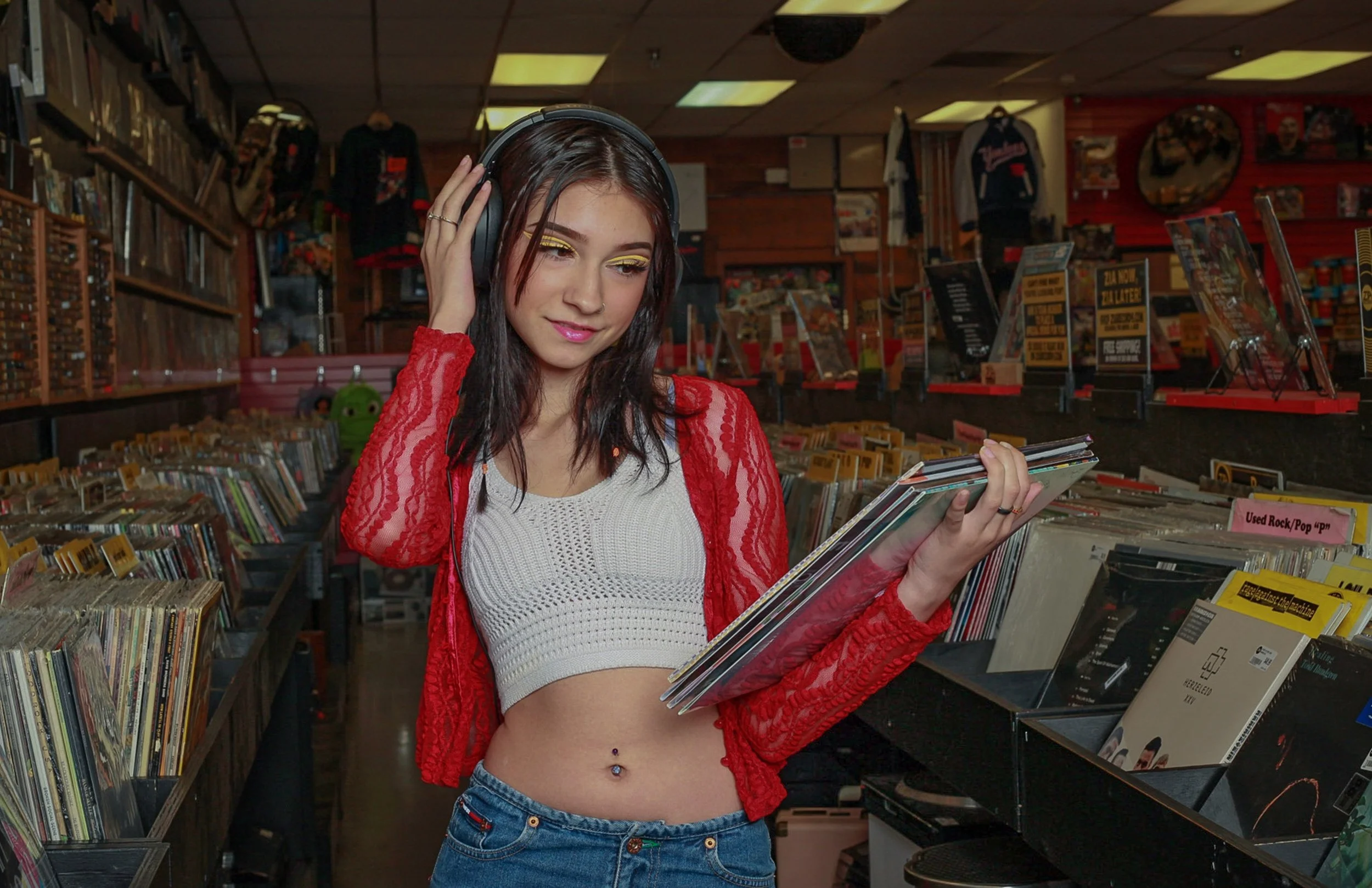
Photo by KBR, Modeling by Angie | Contagion Media
Step 1: Understanding Your Audience
Before you even think about designs or materials, understanding your audience is crucial. Who are they? What do they value? Take note of what they gravitate towards in your music — do they love your emotional ballads, or are they more into your upbeat dance music?
This understanding will guide your merchandise design process. For example, Tyler the Creator has mastered the art of aligning his merchandise with his albums. His unique aesthetic, characterized by vibrant colors and playful graphics, is consistently reflected in his tour merchandise, creating a cohesive brand experience that resonates with his fans.
Step 2: Designing Merchandise That Resonates
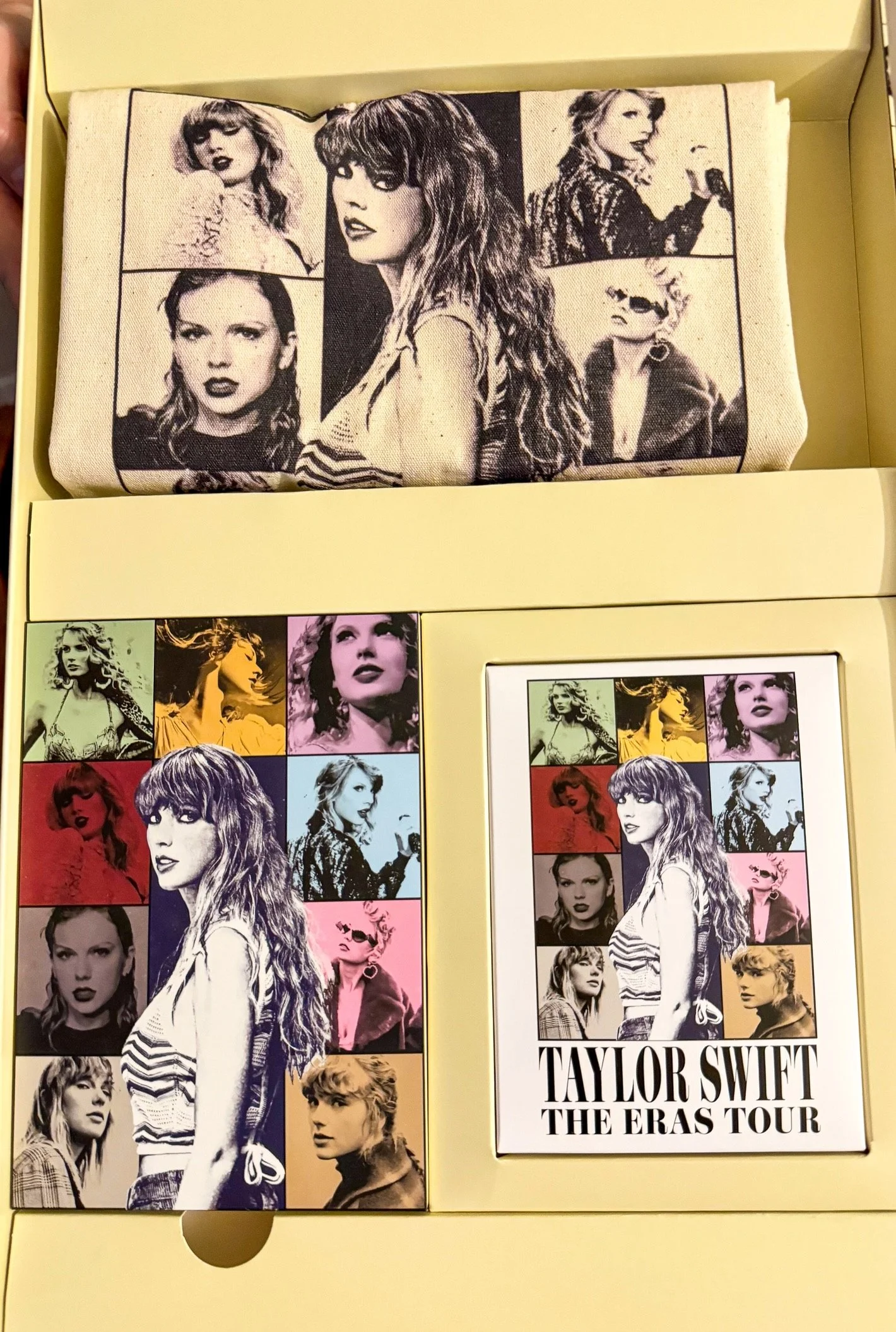
Photo by Belinda Wu | Dreamstime
Once you have a clear picture of your audience, it is time to get creative. The design of your merchandise should reflect both your artistic style and the themes of your music. A well-thought-out design can turn a simple t-shirt or poster into a piece of art that fans will cherish. Look at how 10K Projects, a smaller hip hop label, executes this perfectly. They offer merchandise that complements the music projects of their artists, using colorful and eye-catching artwork that echoes the vibrancy of the music itself. This strategy not only enhances the fans' connection to the music but also elevates the merchandise to something more personal and meaningful.
Step 3: Selecting the Right Materials and Suppliers
Quality is key when it comes to merchandise. Fans are more likely to purchase and wear items that look and feel good. Investing in high-quality materials may require a larger upfront cost but it will pay off in the long run through customer satisfaction and repeat purchases.
Partnering with reliable suppliers is equally important. Look for suppliers who understand your vision and can deliver on your expectations. In my experience working with artists, I have found that establishing a good relationship with suppliers can lead to better deals and more flexibility in the production process.
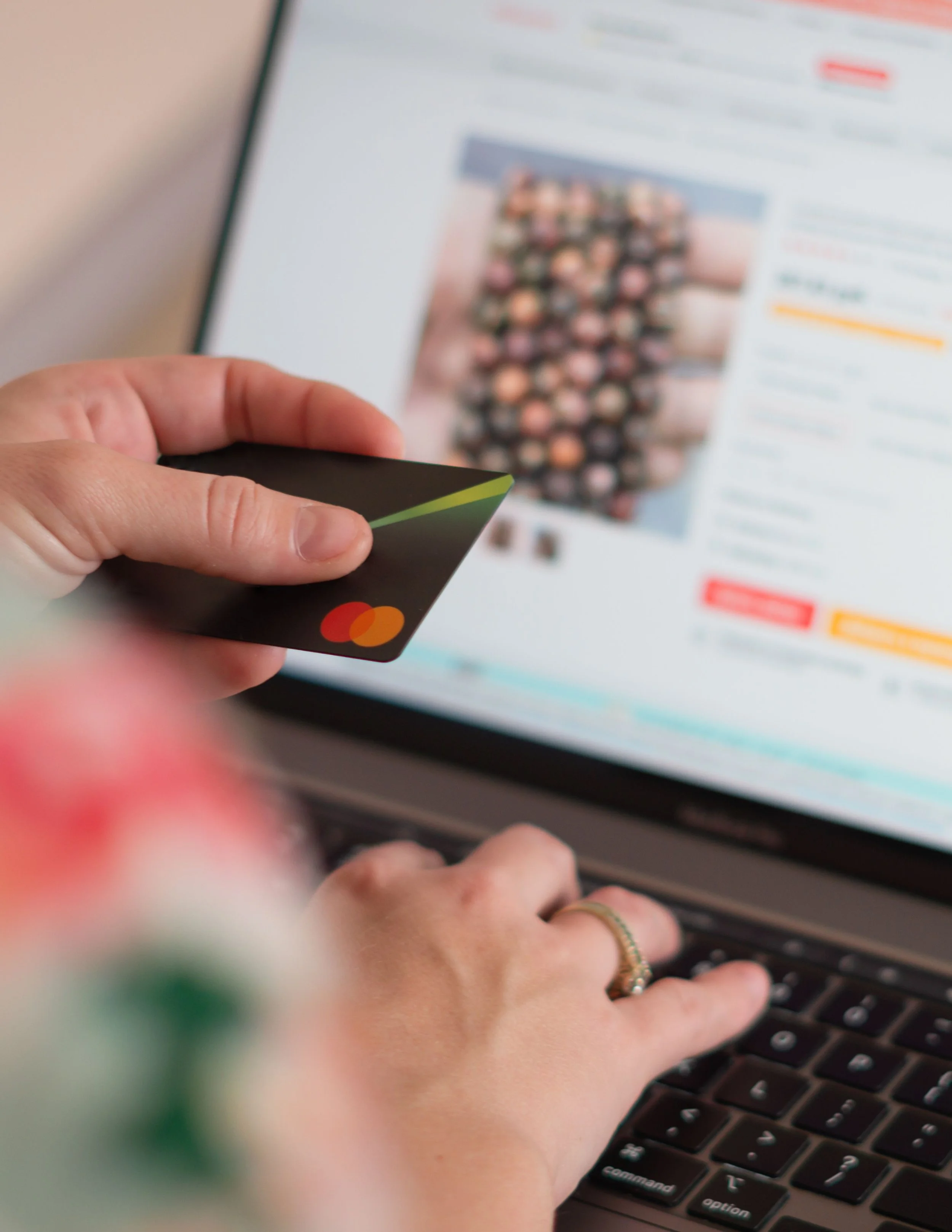
Photo by Marcial Comeron from Pexels | Canva
Step 4: Choosing the Right Platforms to Sell Your Merchandise
Once your merchandise is ready, selecting the right platforms to sell it is crucial for reaching your audience effectively. There are several online marketplaces and platforms that cater specifically to artists and musicians, each offering unique features to enhance your sales strategy. Bandcamp, for instance, is a popular choice among musicians for its artist-friendly policies and integrated music and merchandise sales. It allows you to connect directly with fans, offering them a seamless experience to purchase both your music and merchandise in one place. Another option is Shopify, which provides customizable e-commerce solutions, enabling you to create a branded online store that reflects your artistic identity. Additionally, platforms like Etsy can be ideal for selling handmade or unique items, tapping into a community that values creativity and originality. By carefully selecting the platforms that align with your brand and audience, you can maximize your reach and ensure your merchandise finds its way into the hands of your fans.
Step 5: Creating Unique and Limited Editions
Another strategy to captivate your audience is by offering unique or limited edition items or collections. Limited runs create a sense of exclusivity and urgency, encouraging fans to make a purchase before the opportunity slips away. You might consider special edition vinyl records, signed posters, or custom apparel that ties into a particular album or tour. Additionally, artists can engage in limited edition brand deals, similar to how McDonald's has collaborated with artists like Cardi B, Travis Scott, and Kerwin Frost. These partnerships not only boost sales but also enhance the artist's visibility and connection with fans, as they feel like they own a piece of the artist's journey through these exclusive offerings.
Photo by bee32 from Getty Images | Canva
Step 6: Promoting Your Merchandise
Finally, the success of your merchandise depends on effective promotion. Leverage your existing platforms—social media, email newsletters, and your website—to showcase your merchandise. Share behind-the-scenes looks at the design process or stories behind the products to engage your audience. Collaborate with other artists or influencers in your genre to expand your reach. Remember, your merchandise is an extension of your brand, so its promotion should be consistent with your overall artistic identity.
Creating merchandise for your fans is an art form in itself — one that requires a careful balance of creativity, quality, and strategic marketing. By understanding your audience, designing resonant products, choosing the right materials, and promoting effectively, you can cultivate a merchandise line that not only supplements your income but also fortifies the bond with your fans. Remember, merchandise is not just about selling a product; it is about offering your fans a tangible connection to the music they love and the artist they admire.
Edited by KBR on June 16, 2025