
By KBR
In the age of high-definition audio and emotionally immersive soundscapes, vocals can make or break a track. Whether you're producing in a home studio or at a professional level, mastering vocal layering is essential for adding depth, emotion, and polish to your recordings. From subtle background textures to powerful harmonies, vocal stacking and harmonizing techniques can transform a simple melody into a full-bodied production. For artists, producers, and creative brands aiming to create a signature sound, this guide will walk you through the tools, techniques, and strategies behind standout vocal arrangements.
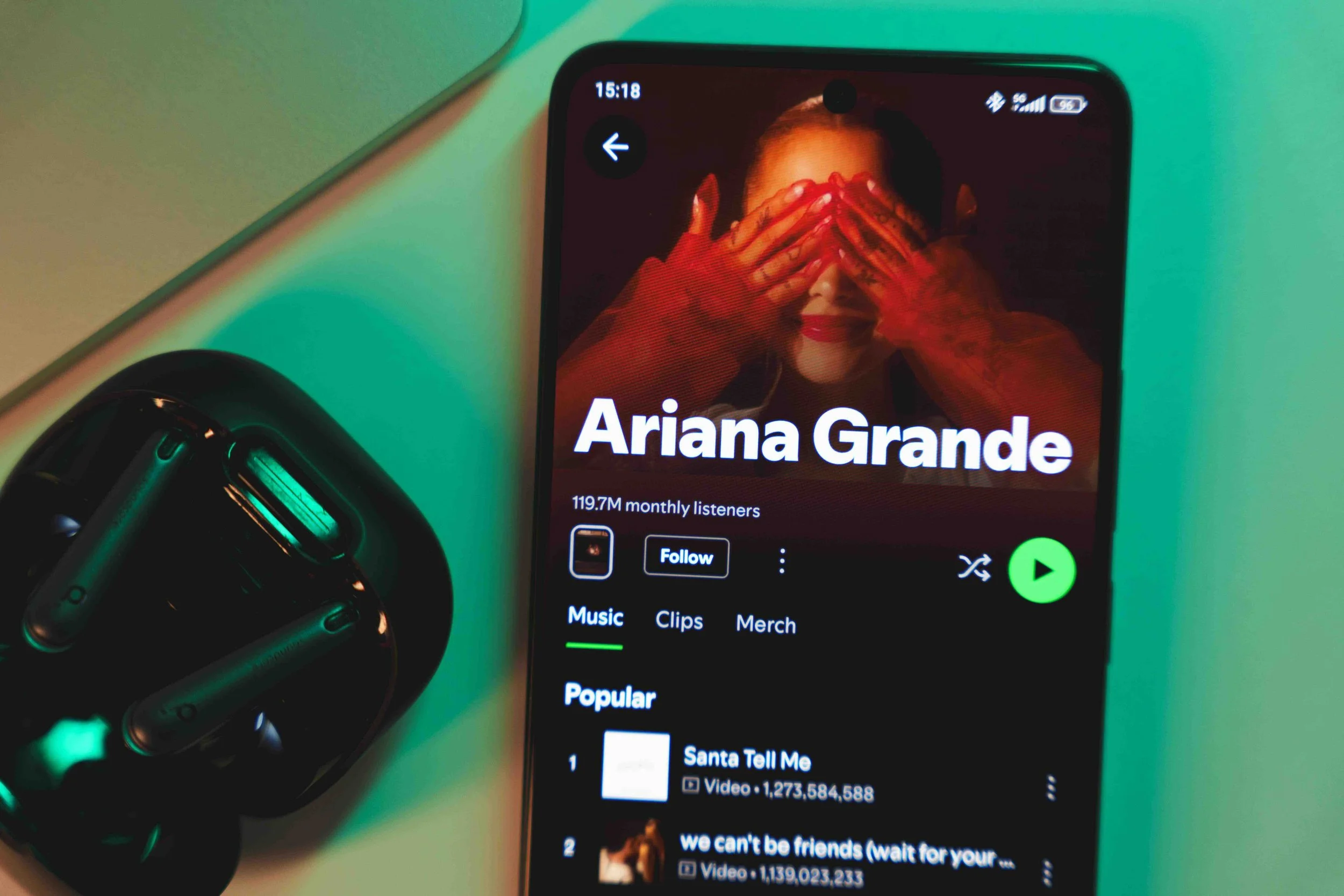
Photo by Rokas | Adobe Stock
Vocal Layering & Why It Matters in Modern Music
Vocal layering is the art of stacking multiple vocal tracks, including lead vocals, harmonies, doubles, whispers, and more, to create a richer, more dynamic sound. It is a staple in genres like pop, R&B, hip-hop, EDM, and even rock, allowing artists to craft emotional nuance and sonic power. Think of Queen’s “Bohemian Rhapsody” or Billie Eilish’s harmonies on most of her tracks—both are iconic vocal arrangements built on layering.
By learning how to layer vocals in home studio recording, you can also enhance the storytelling potential of your music. This process helps songs feel more alive and emotionally complex, which is especially important for music branding, sync licensing, and building a loyal fanbase.
Famous Examples of Vocal Layering Done Right
Some of the most memorable tracks in music history use vocal stacking masterfully:

Photo by Bluee | Adobe Stock
Freddie Mercury (Queen): Complex harmonies layered with operatic flair.
Billie Eilish: Ethereal whisper tracks and octave layering for intimacy and introspection.
Imogen Heap: A cappella-style vocal loops and harmonies that feel orchestral amd otherworldly.
Ariana Grande: Clean backing vocals and crisp doubles for a polished pop sound with resonance.
Studying these tracks provides real-world vocal layering examples that can inspire your own arrangements and mixing strategies.
What You Need to Get Started
Setting up for vocal layering doesn’t require a commercial-grade studio. With the right essentials, you can achieve professional results from your bedroom:
Microphone: A good condenser mic (e.g., Rode NT1-A, Audio-Technica AT2020) captures vocal clarity.
Audio Interface: Focusrite Scarlett or Universal Audio interfaces are popular for clean signal flow.
DAW Software: Ableton Live, Logic Pro X, FL Studio, or Pro Tools for multitrack recording and editing.
Pop filter and mic stand: Crucial for clean takes.
Headphones: Closed-back headphones for precise vocal monitoring.
Combine this with some basic acoustic treatment for soundproofing, and you're ready to dive into recording vocals professionally at home.

Photo by Vladimir | Adobe Stock
Step-by-Step Guide to Recording and Layering Vocals
Here is a step-by-step guide to recording harmonies and building layered vocals:
1. Prepare Your Recording Space
Minimize background noise. Use acoustic foam or blankets to absorb reflections. Ensure the mic is at mouth level and 6–8 inches from the performer. Soundproofing goes a long way to optimize the quality of your microphone and recording equipment.
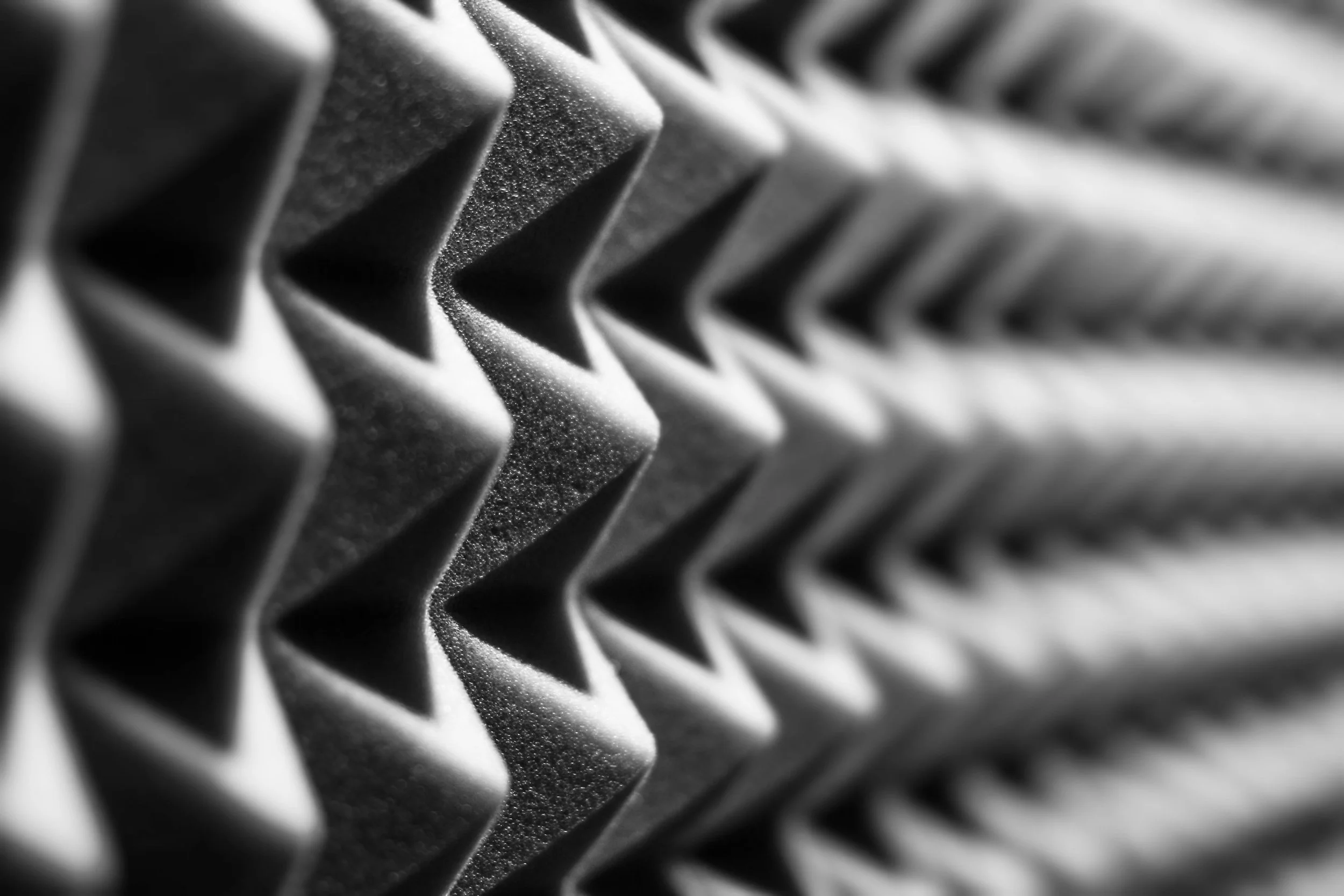
Photo by robertuzhbt89 | Adobe Stock
2. Record the Main Vocal Track
Capture a clean, expressive lead vocal first. Use minimal processing and record multiple takes for comping later.
3. Add Harmonies and Backing Vocals
Record harmonies one at a time. For pop music, use thirds and fifths to build lush chords. Use panning and volume to keep them supportive—not overpowering. If you’re unsure on possible notes for your harmonies, take note of the song’s key and use notes within that key.
4. Layer Doubles and Triples
Doubling and tripling the lead vocal creates thickness. Try tight timing for a polished sound or slight delay for natural width. Although it is easy to obsess over perfection, the authenticity and feelings in your vocal performance is just as important for an impactful sound.
5. Mix and Balance Layers
Use EQ to carve out frequencies for each layer. Light compression helps even out dynamics. Pan harmonies wider for depth, keep lead vocals centered. Imagine the sounds and try to replicate it in your recording timeline. Make adjustments little by little until you have a sound you are satisfied with.
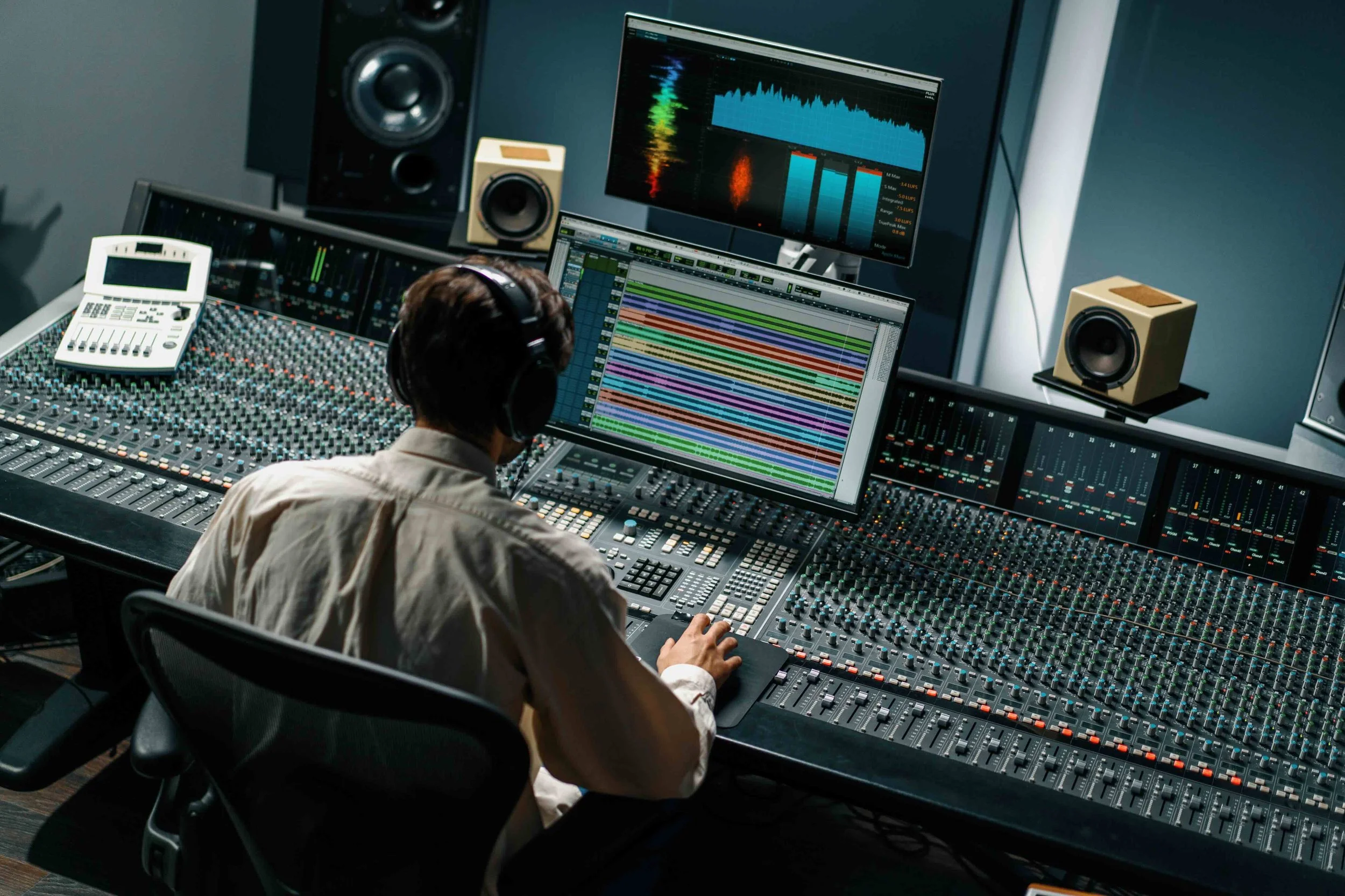
Photo by Guys Who Shoot | Adobe Stock
Creative Vocal Layering Techniques
Here are a few creative ideas to enhance your vocal textures:
Octave Layering: Sing the same melody an octave up or down. Creates contrast and drama.
Call and Response: Alternate lines between main vocal and backing vocals. Great for pop and hip-hop hooks.
Whisper Tracks: Record whispered vocals layered under the lead. Adds tension and intimacy.
Reverse Layers: Reverse a harmony track for ambient swells or intros.
These music production tips will help you craft unique soundscapes and stand out in a saturated audio market. Pro Tip: facilitate a nice and relaxed flow with the right environment to prevent overthinking in the process.
Tips for a Professional Sound
Use automation for volume and effects to add dynamics.
Blend reverb and delay subtly to keep vocals cohesive. Perfection sounds odd to the ear, so incorporate stylistic choices throughout to keep it fresh.
Tune harmonies carefully with pitch correction tools like Auto-Tune or Melodyne if needed but alway as aim to achieve a natural sound, unless you are creating something more experimental.
Group and bus vocal layers for organized mixing and a quicker workflow.
Avoid over-compressing or adding too many layers, which can muddy the mix. These common pitfalls to avoid are crucial for keeping your vocal arrangements clean and engaging. If you’re unsure, use the undo button until you hit a point where you are still happy with the sound and then work from there.
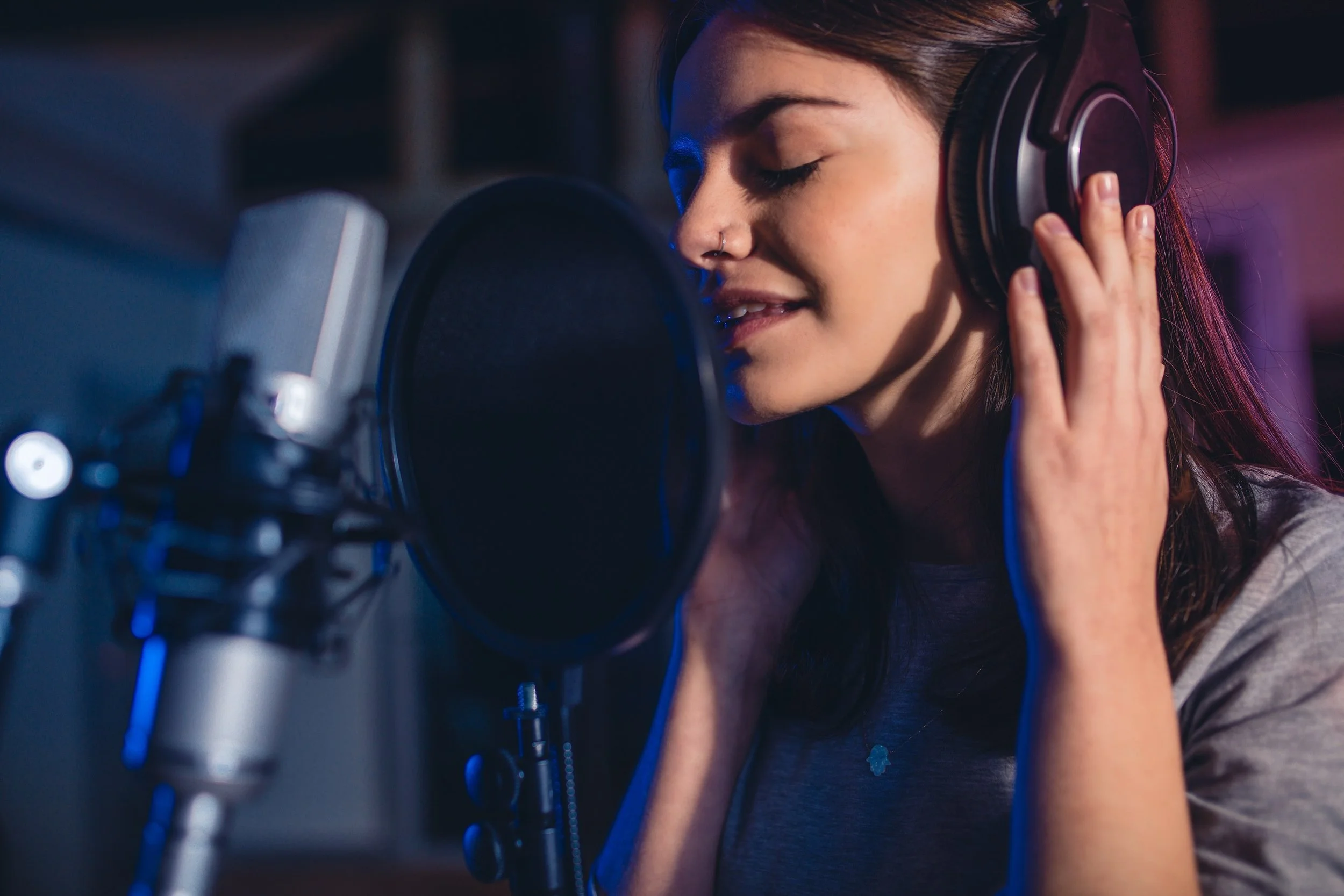
Photo by Jacob Lund | Adobe Stock
Vocal Layering Across Different Genres
Different genres demand different vocal layering strategies:
Pop: Polished doubles, close harmonies, wide panning.
Hip-Hop: Minimal layering with creative ad-libs or call-and-response.
R&B: Stacked harmonies with breathy tones.
Indie/Electronic: Ambient textures, reversed layers, and experimental FX.
Although these guides should not limit your potential and creativity, understanding how to tailor vocal effects to each style enhances your versatility and appeal in both experimental and commercial spaces.
Conclusion: Elevate Your Tracks with Vocal Layering
Vocal layering is more than a production technique—it is a storytelling tool. For artists, producers, and music-focused brands, mastering vocal stacking and harmonizing techniques can add emotional resonance and sonic depth that elevates every track. Whether you’re experimenting with whisper tracks, building lush vocal arrangements, or layering harmonies in your home studio, these techniques give you the power to sculpt truly unforgettable audio experiences.
Do you need cover art or a music video for your next track? Get Started.
Edited by KBR on September 3, 2025