
What Should a Musician Put on Their Website?
By KBR
A lot of independent musicians have social media profiles, streaming pages and a link-in-bio, but no actual website. It’s understandable. Between making music, performing, promoting releases and trying to keep up with content, building a website can feel like one more thing on an already long list.
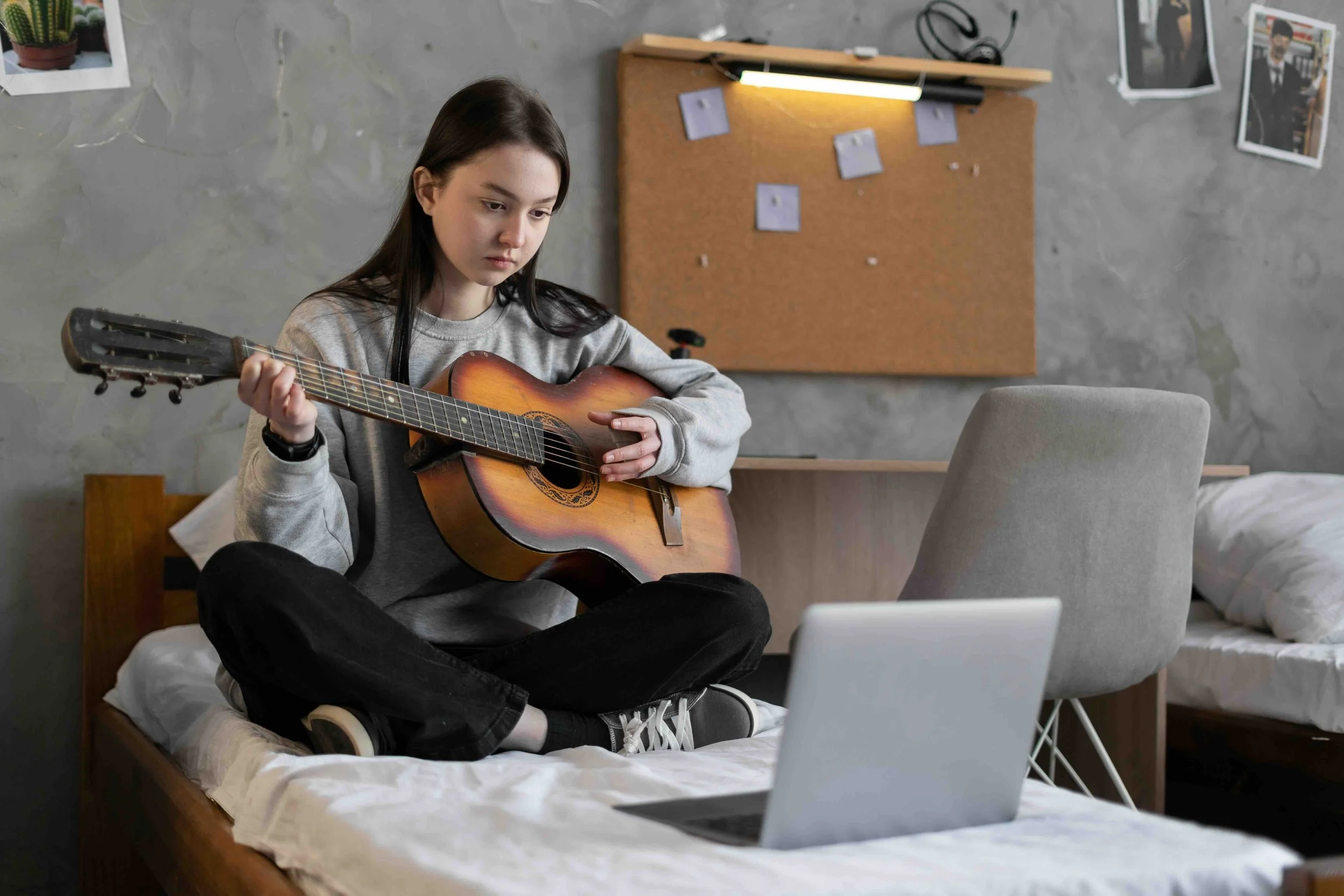
Photo by Andrii Lysenko | Adobe Stock
But your website serves a purpose that social media can't fully replace: it is your official online home. A well-built musician website gives fans one place to hear your music, see what you're working on, buy from you, find your shows and learn more about your story. It can also help managers, labels, booking agents, journalists and potential collaborators quickly understand who you are as an artist. Most importantly, it gives you a digital space that you control. Social platforms can change their algorithms, features or business models at any time. Your website doesn't have to disappear because an app does.
So, what should a musician put on their website?
1. Your Music
This should be one of the first things visitors can find.
Feature your latest single, EP or album prominently, but don't make people dig through your website to hear it. Link to major streaming platforms such as Spotify, Apple Music and YouTube, and consider including an embedded player when appropriate.

Photo by Ejatu Shaw | Adobe Stock
Your website can also give listeners more context than a streaming profile alone: lyrics, credits, the story behind a release, music videos or links to related projects.
Spotify itself describes an artist website as a central destination for an artist's music and career information, while its current artist tools also emphasize connecting music with visuals, merch, concerts and fan engagement.
2. Contact Information
Make it easy to reach you.
Your website should have a clear contact page or contact section for general inquiries, bookings, management, press and business opportunities. If you have a manager, publicist or booking agent, direct the appropriate inquiries to the right person.
Don't bury your contact information at the bottom of an unrelated page. If someone wants to work with you, make the next step obvious.
3. Merchandise
Your website can be more than a digital portfolio. It can also become a direct source of income.
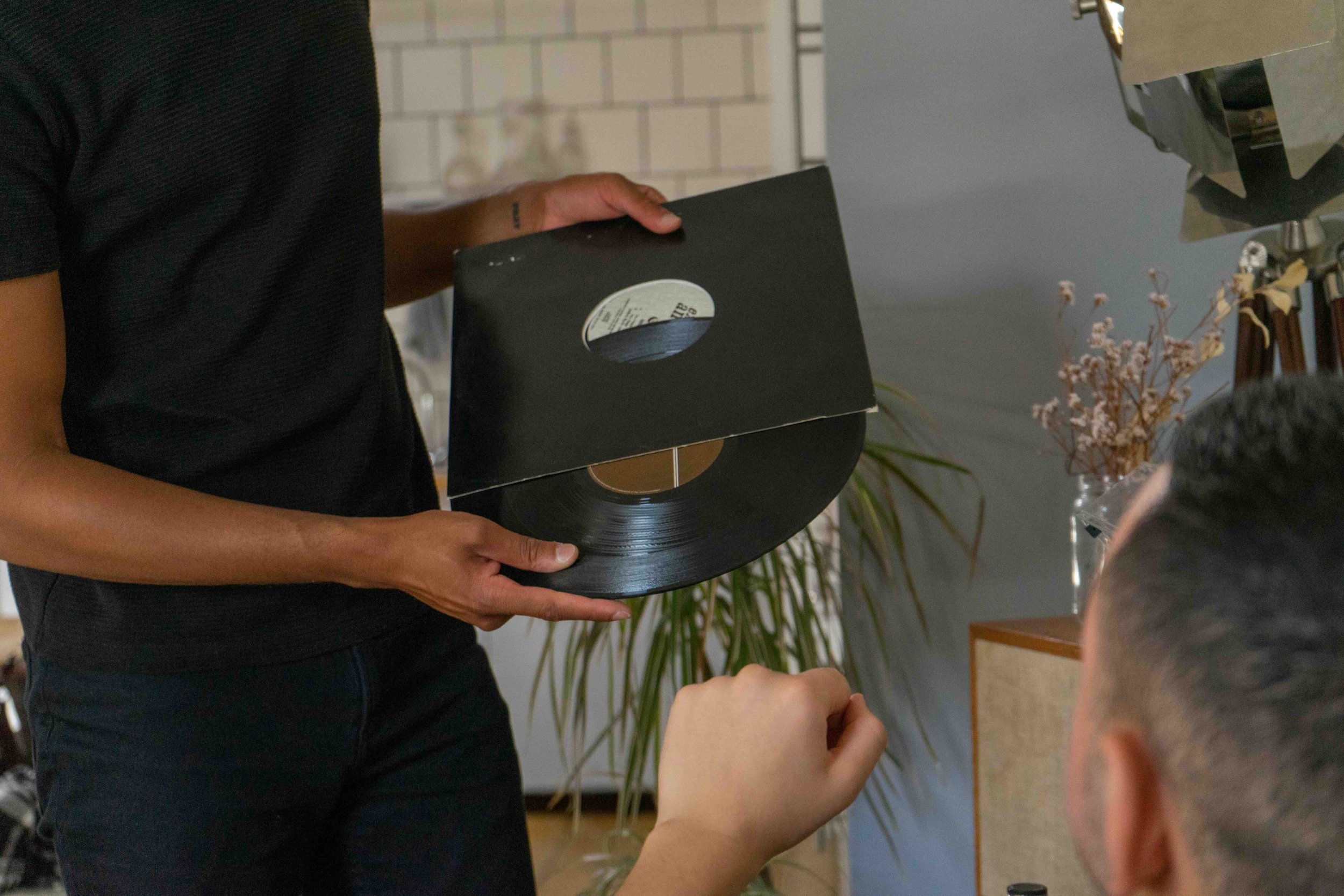
Photo by Cultura Creative | Adobe Stock
Consider selling:
Albums and CDs
Music Files
Vinyl
T-shirts and clothing
Posters and prints
Accessories
Limited-edition products
Signed items
Digital downloads
Platforms built specifically for musicians, such as Bandcamp, offer music, merchandise, ticketing and other direct-to-fan selling tools. Squarespace also supports music websites with online stores and tools for selling merchandise.
You don't need a huge catalog. A small collection of thoughtfully designed products can be enough to start.
4. Tour Dates & Concert Tickets
If you perform live, your website should make it easy to answer one simple question: Where can I see you next?
Create a dedicated events or tour page with dates, venues, locations and ticket links. Keep it updated and remove outdated information. Your website can also direct fans to ticketing platforms while remaining the central place where they can see your full schedule.

Photo by SHOTPRIME STUDIO | Adobe Stock
5. Photo & Video Gallery
Music is increasingly visual, so your website should show people what your artistic world looks like. Include professional artist photos, live photography, music videos, performance footage, behind-the-scenes content, interviews and other visuals that represent your current identity.
This is especially important for industry professionals. A strong collection of current photos and videos can give someone a much faster understanding of your brand than a paragraph of text. Don't upload everything you've ever created. Curate. Your website should show the strongest representation of who you are now.

Photo by Seventyfour | Adobe Stock
6. Blog or News Section
A blog isn't mandatory, but it can be extremely valuable for artists who have stories to tell.
Use it for:
New release announcements
Behind-the-scenes stories
Tour recaps
Interviews
Song or album inspiration
Studio updates
Collaborations
Personal notes to fans
It also gives your website a reason to keep growing. Instead of having a site that rarely changes, you create a searchable archive of your career. For artists and labels investing in SEO, this can be particularly useful because individual articles can appear in search results for questions related to your music, projects and expertise.
7. Mailing List
Don't overlook email.
A mailing list gives you a direct way to communicate with people who have actively chosen to hear from you. You can use it to announce releases, shows, merch drops, exclusive content and other news.
Your website should make signing up simple. Consider offering something valuable in return, such as an unreleased track, exclusive video, discount or early access. Your social followers are valuable, but they exist inside someone else's platform. Your email list gives you another direct connection to your audience.
8. EPK (Electronic Press Kit)
If you're serious about pursuing press, bookings, festivals, partnerships or other industry opportunities, an EPK, or electronic press kit, is worth having.

An EPK typically includes your artist bio, professional photos, music, videos, notable accomplishments, press coverage, contact information and other assets an industry professional may need.
You can make your EPK a dedicated page on your website or provide a downloadable version. Think of it as your professional introduction when you aren't in the room.
9. Social Media Links
Your website shouldn't compete with your social platforms but connect with them. Include links to the social accounts you actually use, along with streaming platforms, YouTube and other relevant channels. But don't make social media the entire experience. Your website should give visitors enough information to understand you as an artist even if they never click another platform.
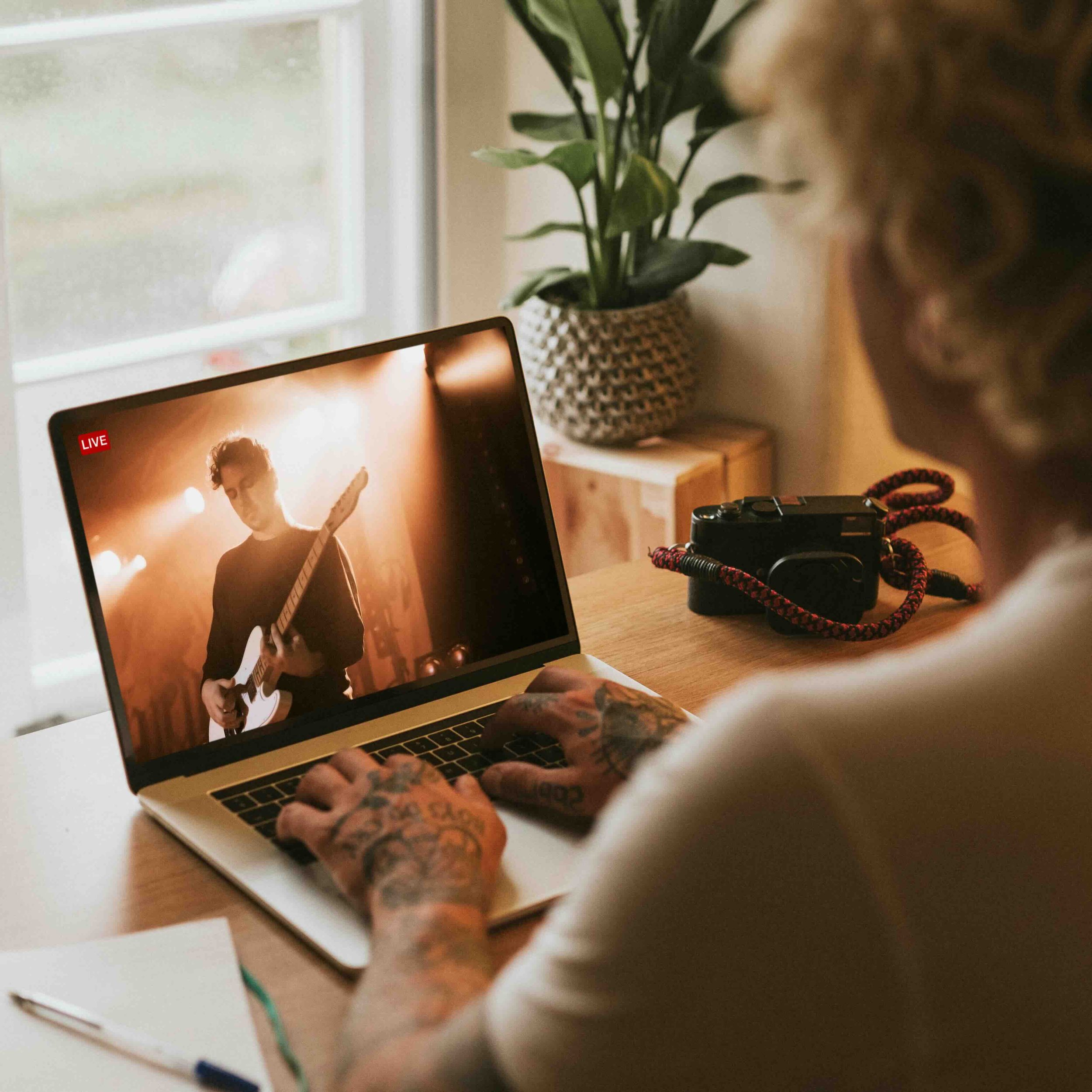
Photo by Rawpixel.com | Adobe Stock
10. Announcements & What's New
Give returning fans a reason to check back.A simple “Latest News,” “What's New” or featured announcement section can highlight your newest release, upcoming show, new merch, media feature or other important update. You don't need to update it every day. The goal is simply to make sure someone visiting your website can quickly understand what's happening with your career right now.
Which Website Builder Should a Musician Use?
There isn't one platform that works for every artist. The right choice depends on your budget, technical ability, design preferences and how much you want your website to handle.
Squarespace is a strong option for artists who prioritize polished visual design while still wanting tools for music, events, social links and merchandise. Its current musician website tools include music players, tour dates, social connections and ecommerce features. Wix and WordPress can also be useful when you want more flexibility in design, content or integrations.
The platform matters, but the content and experience matter more. A beautiful website with no music, outdated photos or missing contact information isn't doing its job.
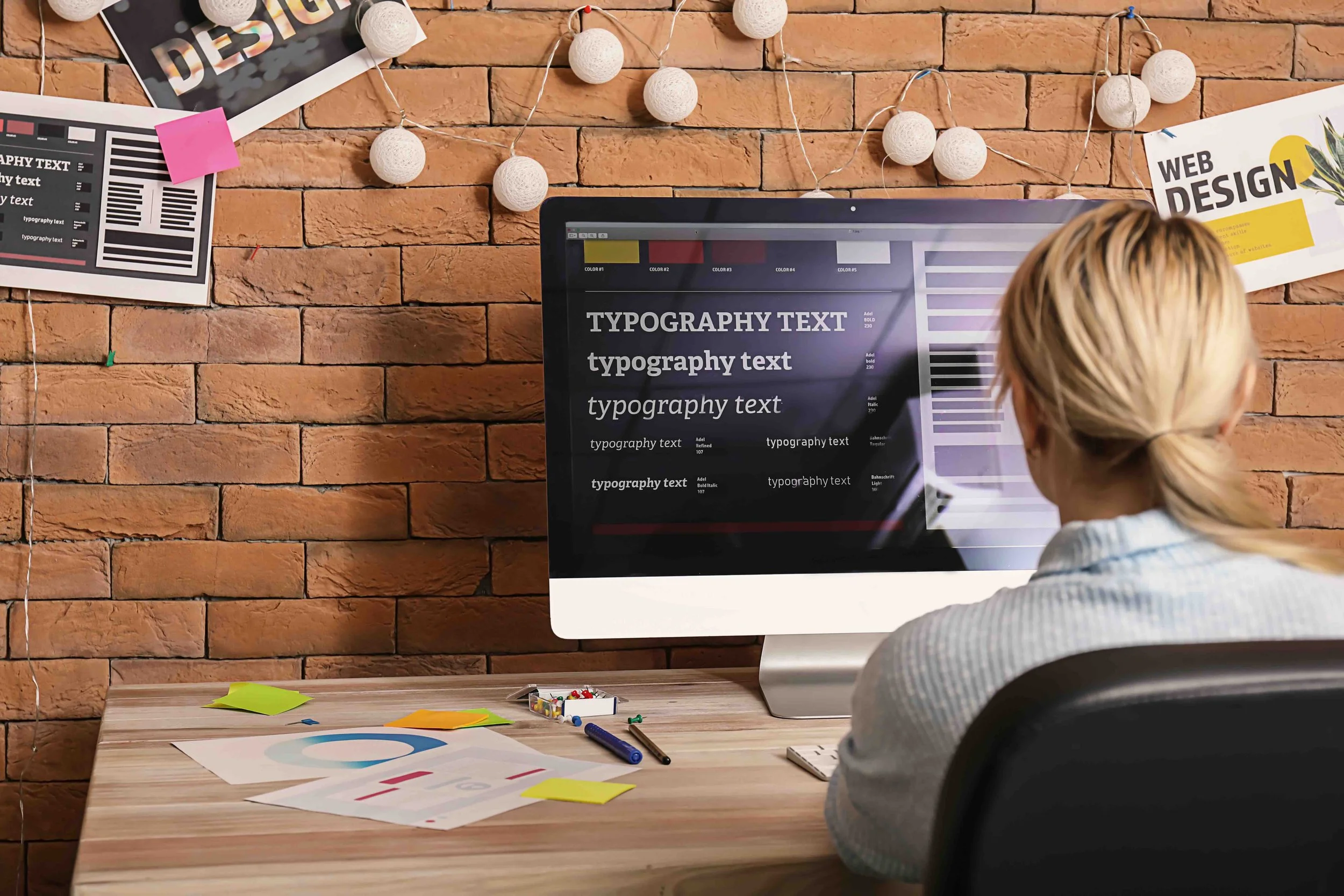
Photo by Pixel-shot | Adobe Stock
Your Website Is Your Home Base
Many musicians consider themselves professionals, but fewer invest the same level of attention into their digital presence. That's an opportunity.
In a crowded music industry, a complete, current and thoughtfully designed website can immediately make an artist easier to understand, discover and work with. It can help turn listeners into fans, fans into customers and industry visitors into potential opportunities.
More importantly, your website is one of the few places in your career where you control the environment and the connection. Social media can change tomorrow. Platforms can disappear. Algorithms can shift. Your official website gives your music, story, visuals, products and contact information a home that you control.
You don't need a massive website to get started. You need a useful one.
Put your music where people can find it. Tell them who you are. Show them your world. Make it easy to contact you, see you perform, buy from you and stay connected.
If you're building an artist website from scratch, start there. You'll already be doing something many independent musicians overlook.
Need help developing your artist's visual identity, photography, content or professional media presence? Contagion Media works with artists and creative brands to turn their ideas into stronger, more cohesive public identities.
Published by KBR on September 23, 2026