
Dance Photography: Capturing Motion in a Still Frame (Techniques & Tips)
By KBR
In the world of visual storytelling, few genres are as challenging—and rewarding—as dance photography. It is where artistry meets technical skill, requiring photographers to freeze explosive motion in a way that still communicates the emotion, energy, and grace of the dancer.
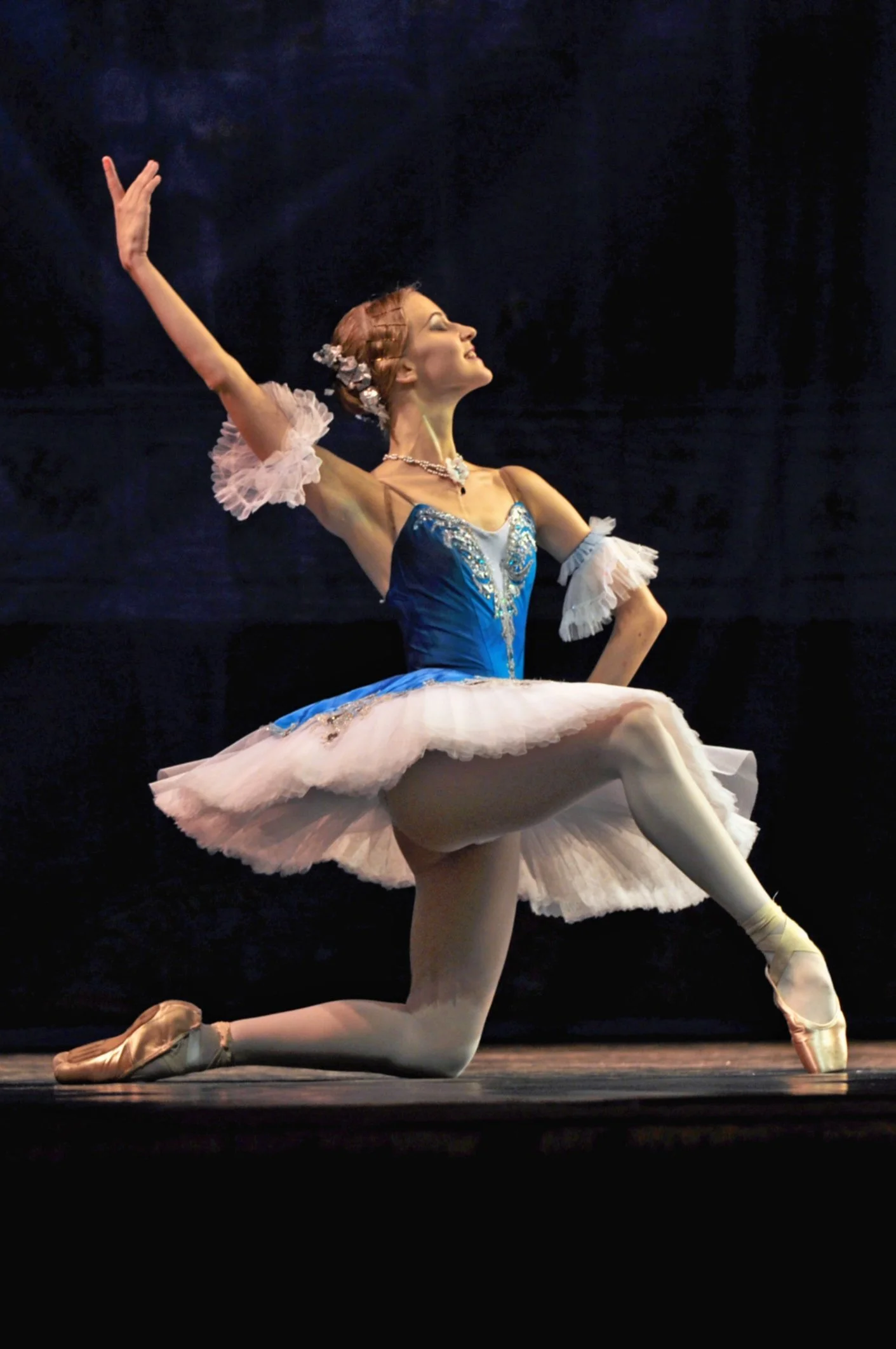
Photo by Pressfoto | Dreamstime
Whether you are shooting a ballet performance, a street dance session, or a contemporary choreography, mastering motion photography techniques can elevate your portfolio and captivate audiences. For creative professionals and brands looking to showcase movement in a still frame, understanding the nuances of dance photo techniques is essential.
The Art and Challenge of Dance Photography
Photographing dancers presents a unique challenge: you're capturing motion, rhythm, and expression—all in a single click. Unlike static portraiture, dance photography demands acute timing, anticipation, and a deep understanding of the body in motion. Knowing how to photograph dancers in motion means not only mastering your camera but also learning to “feel” the rhythm and timing of the dance itself.
Every genre, from ballet photography to hip-hop or flamenco, brings its own rhythm and aesthetic. The goal is to preserve the fluidity of motion while creating a sharp, compelling image. This is where planning, gear selection, and the right camera settings play a crucial role.
Essential Equipment for Dance Photography
To capture crisp, expressive dance shots, the settings are important but right gear makes a significant difference:
Camera: A DSLR or mirrorless camera with a fast autofocus system is ideal. Full-frame sensors handle low-light performance better, making them suitable for performance settings.
Lenses: A fast prime lens (like a 50mm f/1.8) or a versatile zoom (24-70mm f/2.8) gives flexibility and performs well in dim environments.
Lighting gear: Depending on the setting, you may need speedlights, strobes, or continuous lighting. For low light dance photography, external flashes or LED panels are invaluable.
Brands shooting dance content should also consider high-resolution cameras to ensure maximum detail for print, campaigns, or social media storytelling.
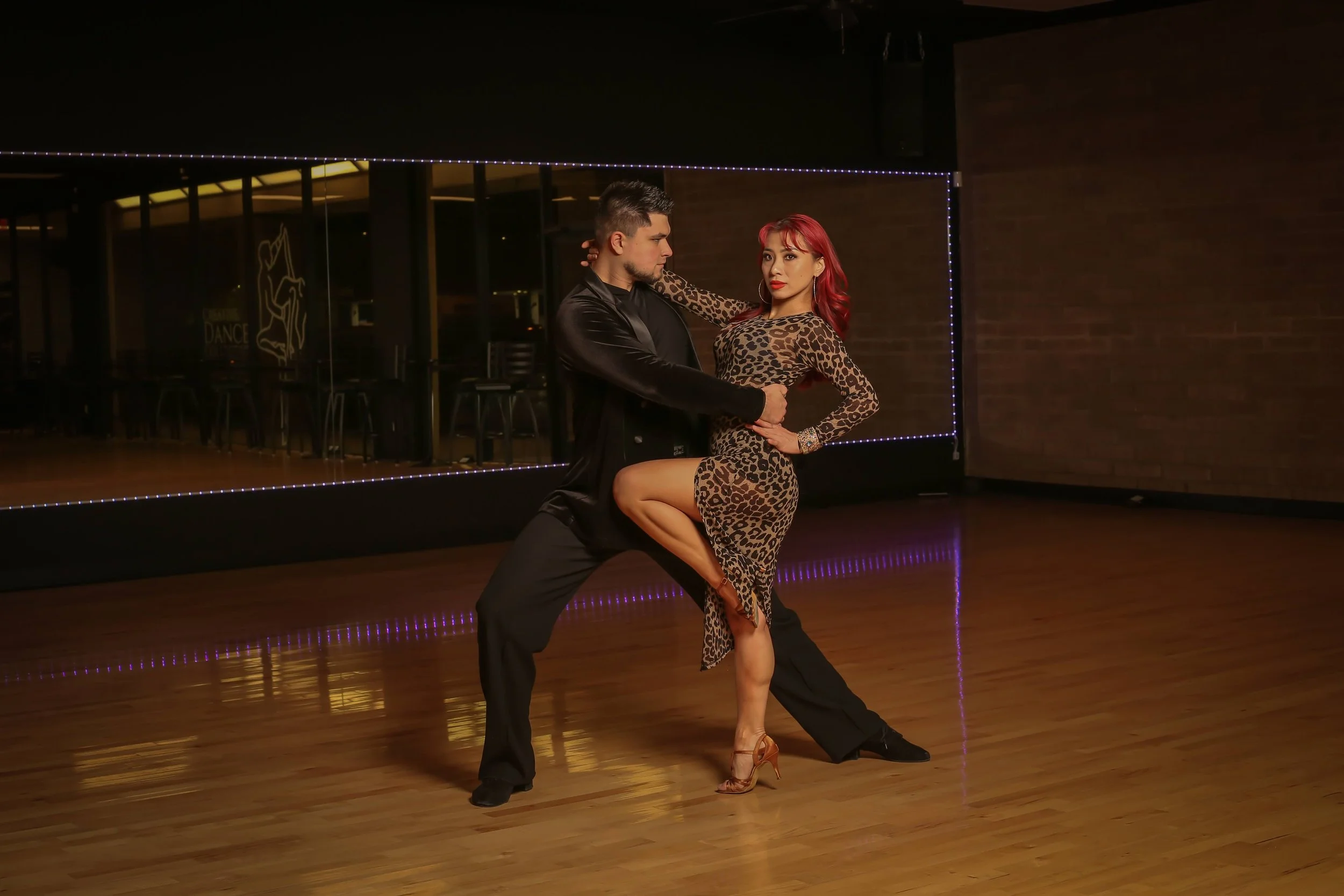
Photo by KBR | Contagion Media
Camera Settings for Capturing Movement
To truly freeze motion in photos, you'll need to fine-tune your camera's exposure triangle:
Shutter Speed: Use a fast shutter speed (1/500s or higher) to freeze fast movements. For creative blur effects, slow it down to 1/60s or less.
Aperture: A wide aperture (f/2.8 – f/4) allows more light and creates background separation. Narrower apertures increase depth of field if you're shooting groups.
ISO: Raise ISO as needed in dark venues but balance it to avoid noise.
Continuous Shooting Mode: Enable burst mode to capture a sequence of movements and select the most expressive frame.
These are the best camera settings for dance recital photos where lighting is unpredictable and timing is everything. If you have more flexibility at the photoshoot, try experimenting to create something more dynamic.
Mastering Light and Composition
Light can make or break your image. When possible, take advantage of natural light, especially during golden hour or near large windows. Nice lighting is essential for accentuating and defining a person’s figure while they dance. In studios or theaters, learn how to use flash effectively—off-camera flashes, flashes, or studio lights can add depth without overpowering the subject when used properly.
Compositionally, aim for:
Leading lines that direct attention to the dancer
Negative space to emphasize movement
Rule of thirds for balance
Framing the subject with elements from the environment
Depth by experimenting with the dancer’s position related to the camera.
Every lighting setting and condition varies so plan extra time if you can to refine the composition and posing during the photo shoot. These action photography tips help add dynamism to your composition, making each shot more than just a snapshot—it becomes a narrative.
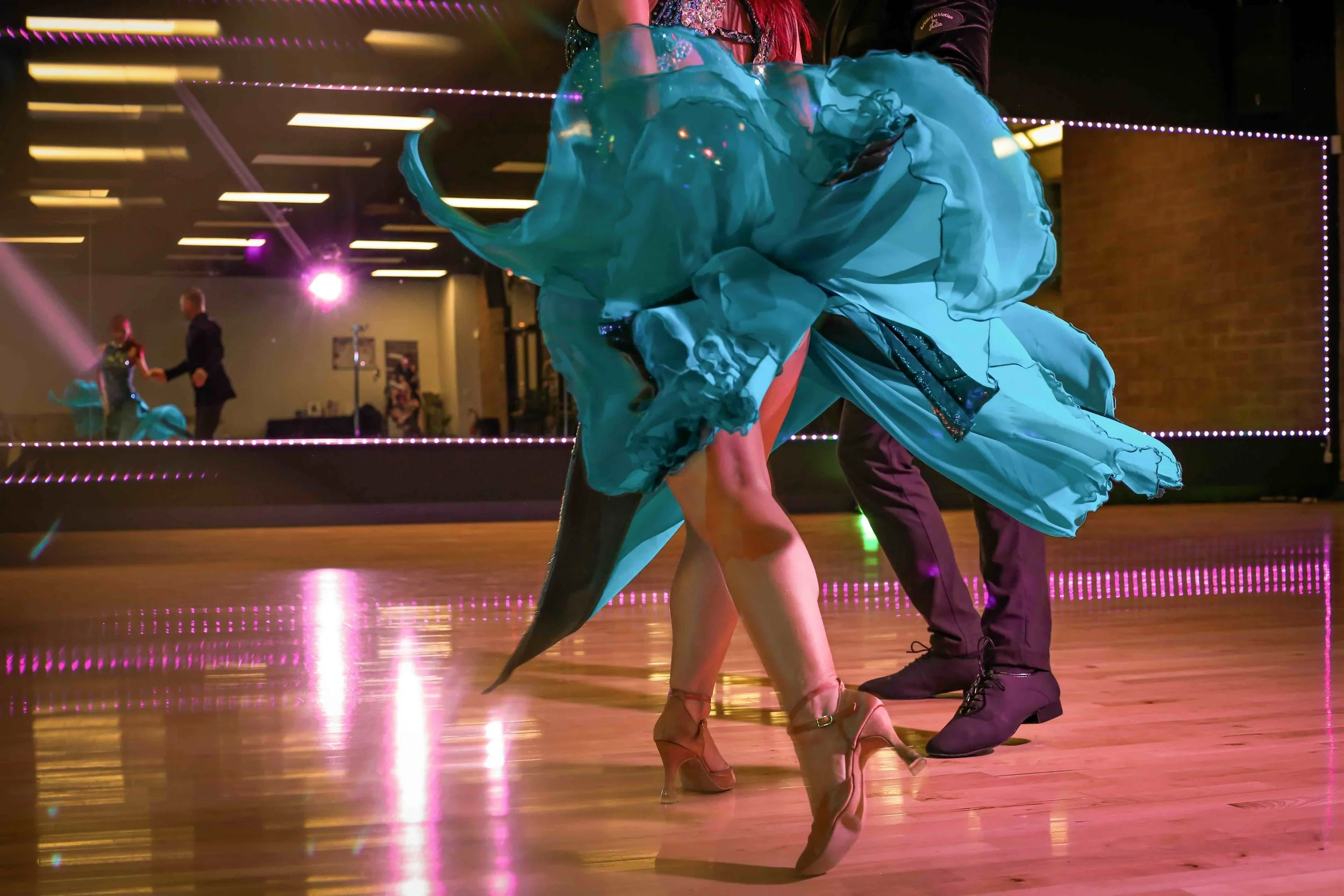
Photo by KBR | Contagion Media
Step-by-Step Guide to a Dance Photoshoot
Find & Communicate with the Dancer: Collaboration is key. Find a dancer and discuss poses, scheduling, routines, looks, and level of comfort with direction. Be clear with your planning and expectations so the dancer can be well prepared for the shoot.
Choose the Right Background: Clean, uncluttered spaces highlight movement best. Urban, studio, or nature settings all bring different aesthetics. Plan everything out and use existing photos as inspiration to ensure the final images will highlight the dancer best.
Capture Different Movements: Shoot jumps, turns, still poses, and fluid transitions. Wait for the right moment or try capturing many photos consecutively. Each offers unique storytelling potential.
Anticipate the Decisive Moment: Train your eye to catch the apex of a leap or the stillness between gestures. If you get the chance, ask the dancer for a practice video of their dance beforehand so you can plan the exact moments you would like to capture on camera beforehand to speed up the process.
Each dance photoshoot idea will vary depending on the style and dancer’s personality, but creativity and timing are universally essential.
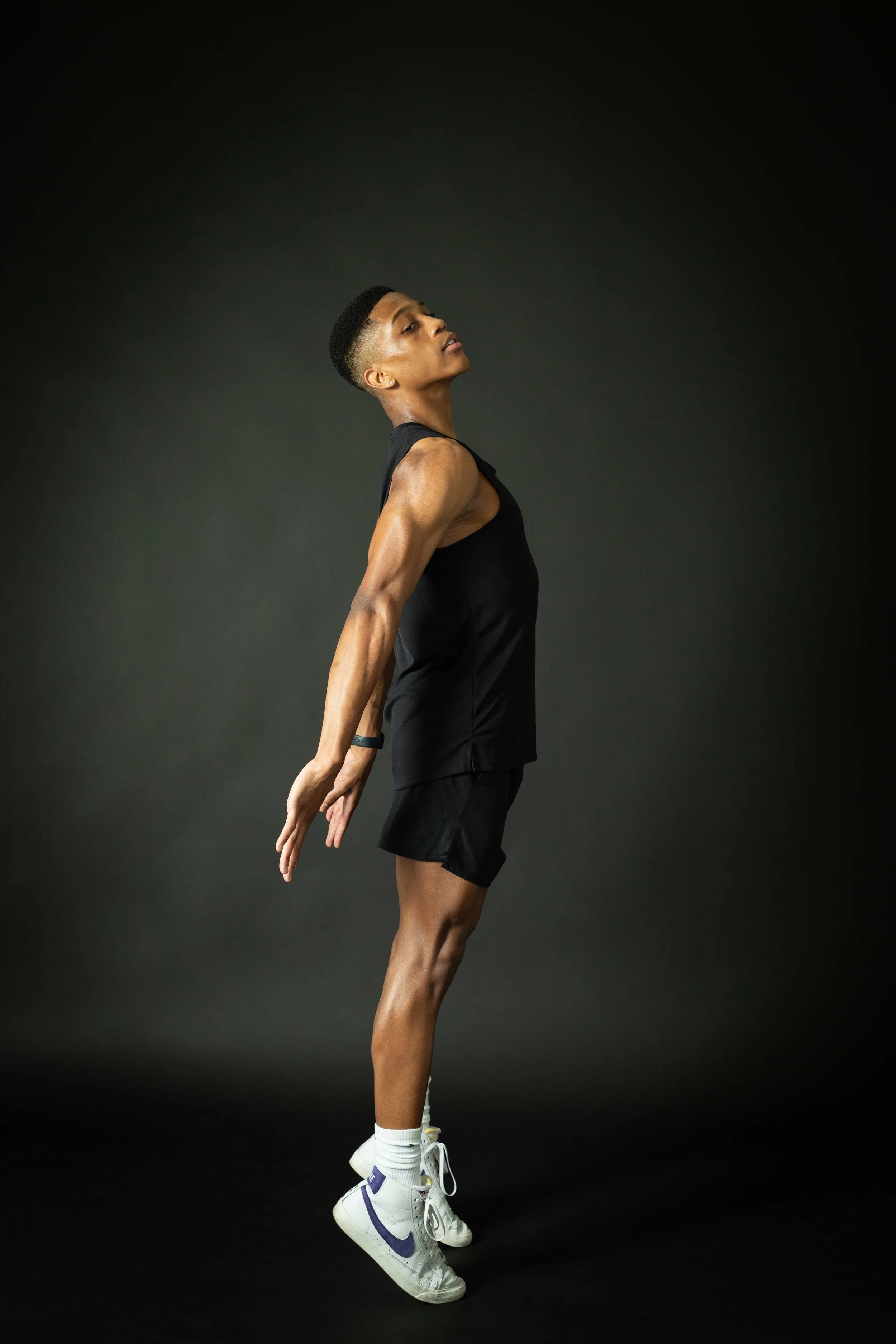
Photo by KBR | Contagion Media
Post-Processing & Creative Presentation
Post-processing is where the magic continues. Use editing tools like Adobe Lightroom & Adobe Photoshop to:
Sharpen motion details
Enhance contrast and color tones
Clone out distractions
Consider using multiple exposures or diptychs to show progression or a series of poses. These creative ideas for presenting dance photography work well for both galleries and brand campaigns.
Ethical Considerations in Dance Photography
Always respect the dancer’s artistry and body. Don’t publish unflattering or unapproved images. For performance shots, ensure you have permission from the venue or choreographer before sharing. Maintaining ethical integrity and respect for your fellow collaborators builds trust with artists and clients alike.
Conclusion: Where Art Meets Motion
Dance photography is a beautiful collision of movement and moment. For creative professionals and brands, mastering the art of capturing dance can open doors to powerful campaigns, emotional storytelling, and high-impact visual art. Whether you're learning the tips for capturing movement in dance photography or refining your style, it all begins with intention, collaboration, and timing. By experimenting with lighting, settings, and composition, you can transform fleeting gestures into timeless art. So next time the music plays—be ready to capture the magic in motion.
Want to take your photography further? Apply to join Contagion Academy for a chance to work with mentors 1-on-1 to elevate your creative career.
Edited by KBR on July 13, 2025