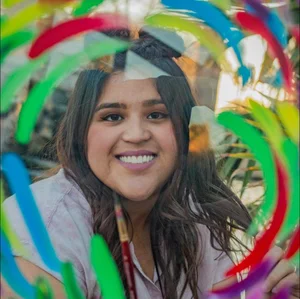
20 Marketing Essentials for Creatives
By Samuel Rodriguez Flores
When you're managing your art, your audience, and your message all at once, marketing can feel overwhelming. But the truth is, marketing isn’t a separate skill; it is part of how you show the world what you already love to make. Here’s a no-fluff breakdown of 20 marketing essentials that every creative should know — grouped to make your workflow easier and your message clearer.

Photo by Pixel-Shot | Adobe Stock
Branding & Identity
Start by getting clear on who you are and how you want to show up — visually and verbally.
Define your creative niche. Know what you do and who you do it for. Be able to explain this to anyone who discovers your art or brand in a simple way.
Develop a recognizable visual identity. Colors, fonts, layout, logo — be consistent and make sure it speaks to your audience.
Write a clear artist bio. Include where you're from, what you do, and what inspires you. Consider what you really want to represent as an artist and emulate that.
Use a consistent tone of voice. Match your captions, emails, and descriptions to your vibe. Consider the style, feeling, and aesthetic you’d like to to show up as and curate your brand to better represent that.

Photo by Xavier Lorenzo | Adobe Stock
Online Presence
Your digital home should feel like your real-world energy — organized, authentic, and easy to explore.
Build a simple website or portfolio. Make sure it’s mobile-friendly and easy to update.
An official website always looks more professional but if you’re on a budget, try creating a free website or professional looking social media page dedicated to your work.Keep your bio links updated. Use tools like Linktree to keep things organized or use multiple links in your bio if the social platforms allow this.
Use real, high-quality photos. Avoid AI visuals unless clearly styled or labeled. It is more challenging for fans to connect with artificial imagery. Almost everyone prefers authenticity over AI generated art.
Make your contact info easy to find. Don’t make people dig. One extra click can decrease your conversions, decreasing your overall business.
Social Media Strategy
Use social not as a megaphone, but as a mirror — a way to reflect your process and connect.
Pick 1–2 platforms and show up consistently. Don’t try to be everywhere. If you are not already on social, research platforms and choose the ones that will best represent your work.
Create posts that reflect your process, not just the end result. The process of creating is just as fun to experience as the finished product. Consider sharing behind the scenes looks into your life as an artist/creative. (Think “photo dump of your sketchbook,” not just the final shot.)
Use storytelling in captions. Your journey is part of the brand. Whether your brand is more mysterious and minimal or colorful and maximalist, remember that your caption can help make or break your post.
Engage with your audience. Comments, polls, DMs, emails – all of this really does matter. If your audience feels included, they will be able to connect with your brand on a deeper level.

Photo by pressmaster | Adobe Stock
Community & Networking
Your audience isn’t just followers. It’s future collaborators, supporters, and friends.
Collaborate with other creatives. Cross-promotion helps both sides. Better together is almost always true in the art and media industry. 10 experts will always be better than one.
Go to events, even small ones. You never know who you'll meet. You can meet future collaborators, clients, sponsors – the possibilities are endless.
Follow and share others’ work. Build real relationships online and off. Social Media is a powerful tool, but its existence is not always guaranteed. Building real connections with others will help transcend your career past the digital space and into reality.
Growth & Strategy
Professional doesn’t mean corporate — it means intentional.
Plan content ahead of time. Use simple tools like Google Calendar or your Notes app. Don’t spend extra money on extra softwares until you have to.
Track what works. Look at which posts or projects got attention and why. Analyzing your analytics, views, content styles, and audience engagement will help you have better insight to what is and isn’t working.
Set creative goals. Not just followers. Think “What do I want to create this year?” What you are most passionate about is usually what will resonate with your audience and fans.
Invest time in learning. Podcasts, YouTube, workshops — stay curious. Being an artist is all about being creative and trying new things. Never forget the foundational value of endlessly learning.
Take breaks before burnout. Strategy means knowing when to pause, too. As an artist, rest and inspiration is vital for being successful. No one knows you better than you, so trust your intuition, body, and creative journey.

Photo by Photographee.eu | Adobe Stock
Conclusion
Your brand isn’t a side hustle but also a part of your art and soul. When you create and market yourself with purpose, you don’t just get seen, you get understood by the people who want to connect with you. And when people understand your creative vision, they’re far more likely to support it.
Edited by KBR on February 14, 2025