By Contagion Media
To artists, a digital platform is a lot like a stage. Sometimes we sit in the audience, watching someone else’s voice take shape. Other times, we're the ones up there. More often than not, we are on both sides.
Take the musician who uploads a rough voice memo at midnight, only to wake up to a bunch of comments from people they've never met. Or the teenager who picks up video editing from random TikToks and suddenly wonders if that's their whole personality now. It's wild.
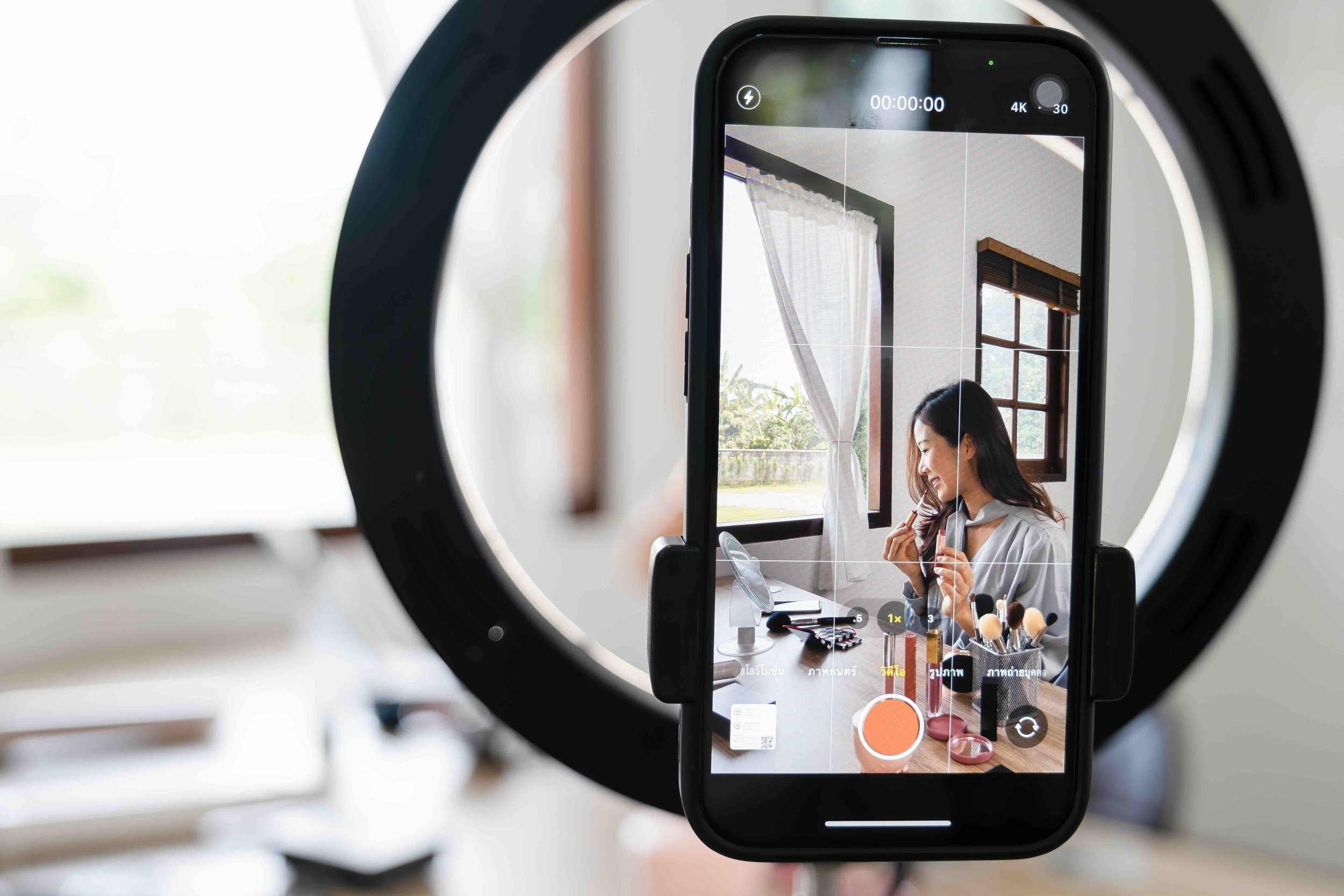
Photo by MIND AND I | Adobe Stock
Digital platforms are changing how we develop ideas, create, and share our work. Along the way, they also shape who we think we are.
So let’s talk about platforms that work like mirrors and about how cheaper tools and open sharing have made it easier to begin. We’ll also look at what algorithms do to our taste and why showing up as yourself matters.
When the Stage Becomes a Mirror
Some platforms are built to be looked at. Others are built to help us look at ourselves, accept who we are, and express it creatively. Journaling apps, writing-prompt tools, and even tarot or astrology apps belong to this second group.
But what about those times when you want to make something, and nothing comes? I’ve found that creative block can arrive for all sorts of reasons. Sometimes it’s exhaustion. Sometimes it’s the pressure to get things right or the worry about what others might think. In those moments, being told to just find inspiration is about as helpful as being told to relax when you’re already stressed.
Photo by vfhnb12 | Adobe Stock
When the block comes from stress or burnout, talking things through with a therapist can help. Other times, I’ve found that reflection, whether through journaling, a conversation, or even a tarot reading on spiritual guidance platforms such as Nebula, can open up a new way of seeing. The point is to notice a different angle, and what you do with it is up to you.
You can ask Nebula psychic advisors something like, “What steps could help me move forward with this idea?” or “What might help me feel more confident about sharing my work?” I think questions like these can become a spiritual mirror, showing us something we hadn't seen before.
How Tools and Sharing Have Changed
Platforms have made it easier to begin.
Until fairly recently, you needed a fancy camera, a studio, and probably a small loan to make anything worth sharing. These days, you can do a ridiculous amount with just your phone and a free app. No need to wait for a perfect moment or for your bank account to look less tragic. Just pick up whatever you’ve got and give it a shot. Worst case, you’ll have a laugh. Best case, you accidentally make something great.
Sharing has changed, too. Writers can publish on Substack, musicians can upload tracks to SoundCloud or Bandcamp, and artists can find an audience on Instagram or ArtStation. No publisher, label, or gallery required at the start.
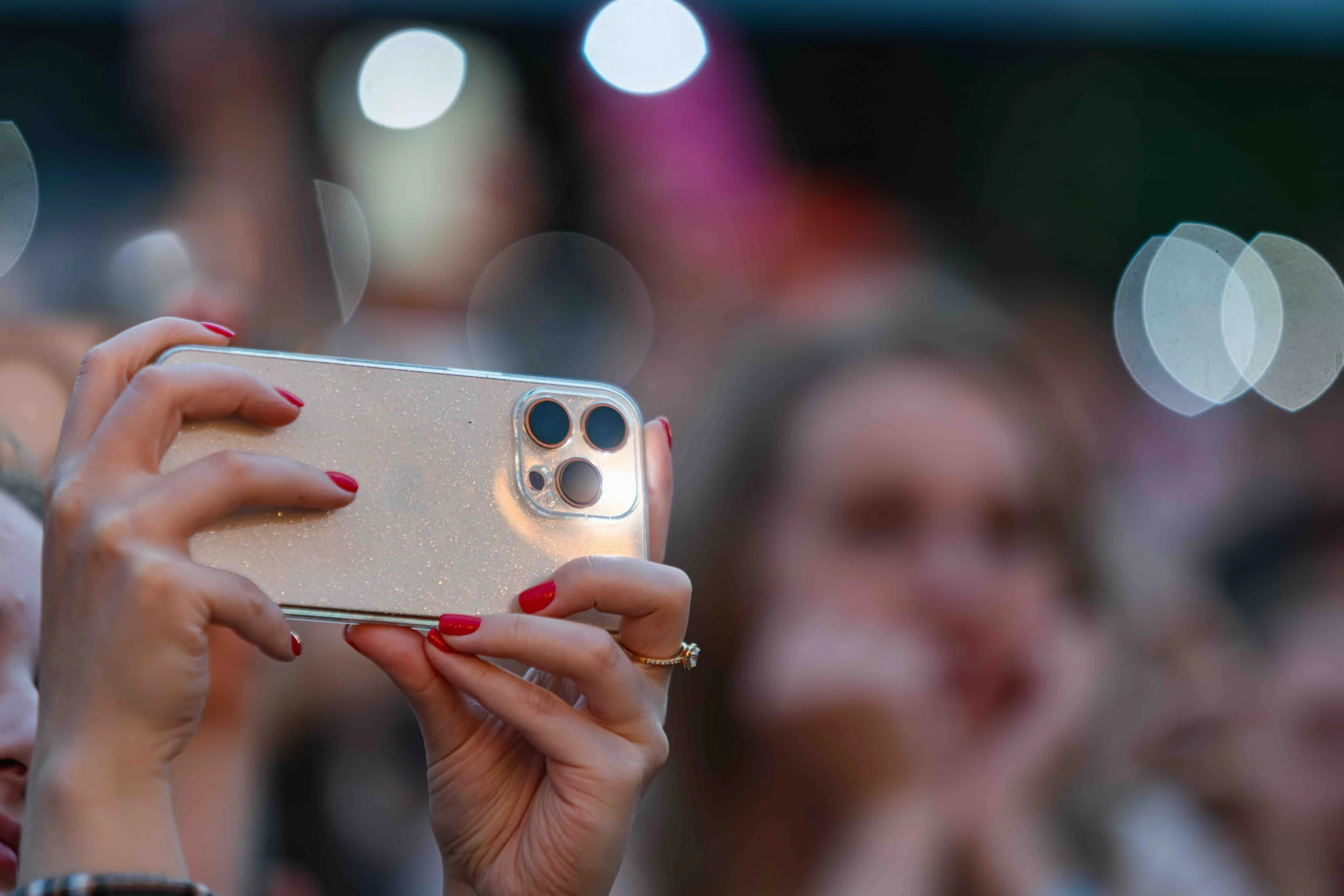
Photo by Ruslan | Adobe Stock
Of course, finding an audience is still its own challenge. It can take months of posting before the right people notice your work. But maybe the first step is no longer someone else’s to grant. Maybe it’s just a matter of starting and seeing where the work goes.
The Influence of Systems and Algorithms
The platforms that let us begin also have us under their algorithmic control. More and more, creators design with the platform in mind. Everyone watches the numbers, chases the latest trend, and tries to decode what gets boosted and what gets buried. Over time, that pushes us toward making things that fit the mold. Kyle Chayka, author of Filterworld, has described musicians placing a catchy hook right at the start of a song to give it a chance on TikTok. It’s not easy to blame anyone for that. If you want to be seen, you have to play the game.
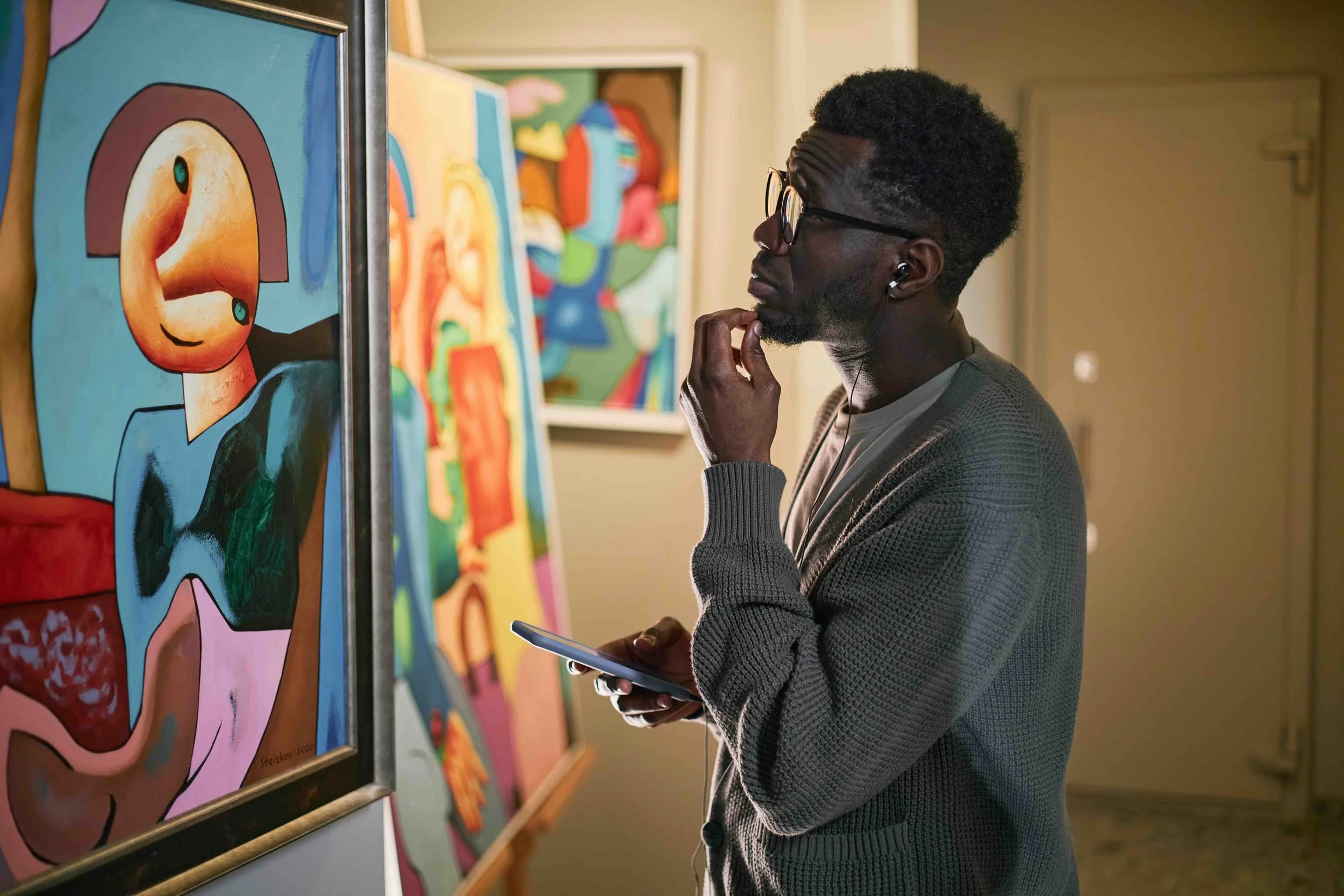
Photo by Seventyfour | Adobe Stock
What does all this do to us? Chayka also spoke with a young woman who wasn’t sure whether her taste was really hers or just whatever Pinterest and Instagram kept showing her. That question gets blurrier now that software helps us make things, too. When an app suggests the edit or the next line, it’s fair to ask where our taste ends and the tool’s begins.
Logging off probably won’t settle it. Maybe the best we can do is check in with ourselves every so often and ask, "Am I making this for the feed, or because it makes me happy?"
A Few Last Thoughts
Online platforms are a low-risk place to test an idea, and that’s worth using. Yes, sometimes it feels like we’re all being herded toward whatever gets the most likes. So play along when it helps, but keep one project that answers only to your curiosity. It might be a private sketchbook, a playlist you never post, or a story you write just for yourself. That’s often where identity sneaks in. Don’t forget that the stage works both ways. In the audience, we take inspiration from others; on stage, we give some back. Showing up as your slightly messy, not-quite-finished self is more than enough. The people who are your kind of weird will only find you if you show up.
Published by KBR on October 21, 2026