
Productivity Lessons We Can Learn from Artists and Creators
By Claire Morris
Imagination is the essence of creation, yet most creative professionals struggle to create because of rigid schedules or a lack of motivation. What separates an artist we respect from someone just as good but not as well-known is their consistency. The balance of focus, momentum, and recovery is at the core of every great creator. By building a strong system, reliance on sheer willpower decreases, resulting in more consistent work. Following the great adage “practice makes perfect,” intentionality is the foundation great artists build upon.
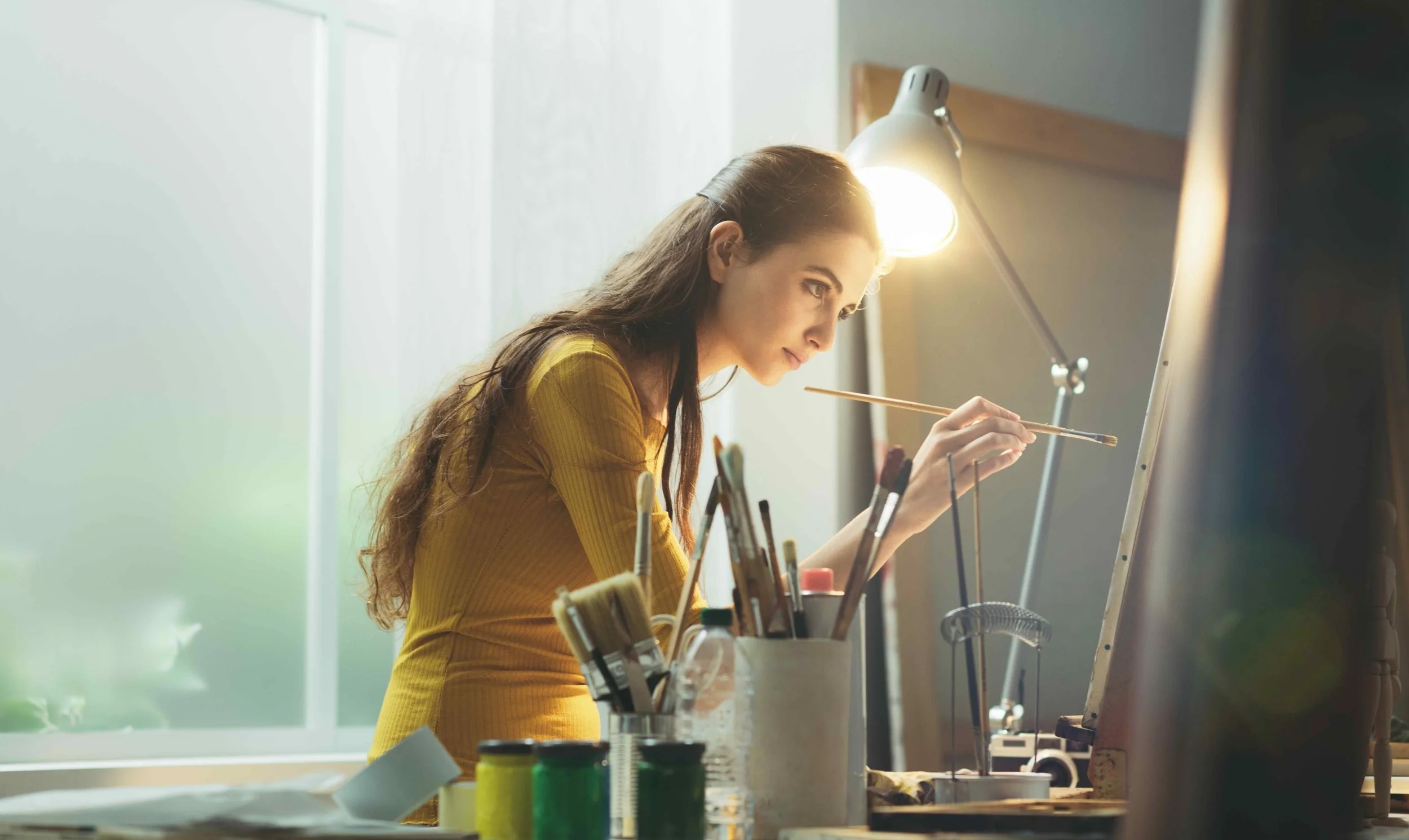
Photo by StockPhotoPro | Adobe Stock
This article presents unique methods to increase creative productivity inspired by some of the greatest artists and creators in existence. Each lesson can be applied to create consistency and become a better creator.
Tools: The Modern Era’s Greatest Advantage
Artists like Da Vinci exhaled talent. However, one thing they did not have back then was the productivity tools of modern technology. This advantage allows modern creators to not only track their workload but also manage it effortlessly through externalized planning and prioritization. Utilizing the best productivity apps to reduce mental clutter and fatigue works seamlessly with a creator's needs. Looking at the reviews of these applications, we can see that creators require tools that adapt to their workflows and help create unique plans that promote sustained, consistent creation. In today's world, working without digital apps that streamline the process is quite impossible.

Photo by SHOTPRIME STUDIO | Adobe Stock
Hence, gone are the days when rigid task, scheduling, and deadline management had to be written down. Everything can be automated through the best productivity apps, which every creator should consider using.
Leonardo da Vinci: Creativity Must Be Scheduled
Da Vinci’s approach focused on discipline. He believed that only through routine and careful observation can imagination turn into creation. Regardless of his feelings, whether progress was slow or unclear, he would show up every day and work consistently. Simply put, Da Vinci treated being an artist as a full-time job.
This not only compounded insight over time but, through this principle, ensured that his creative workflow habits built momentum as he improved his skills. Harvard University would agree, as a piece from its news office shows that intrinsic motivation yields far better results than any external pressure, further proving that Da Vinci’s habits and schedule may have removed his dependence on motivation but not his inspiration.
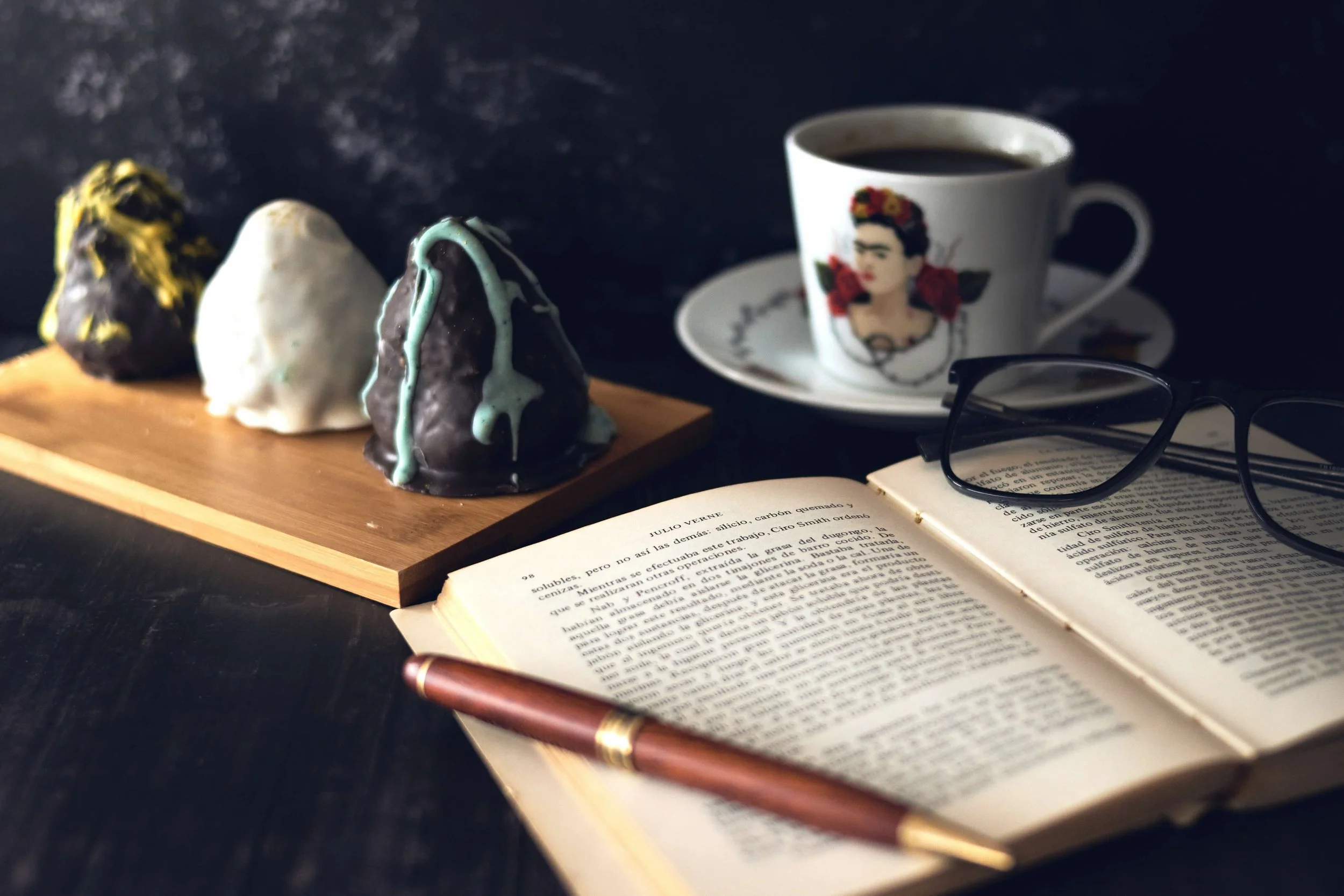
Photo by Javier Rivera | Adobe Stock
Frida Kahlo: Design Your Day Correctly
Frida Kahlo believed that to create the best work, not just once but consistently, she needed to work when both her emotional and physical energy were aligned. This meant she could not allow either to fluctuate while she was creating. In fact, she believed that ignoring and not understanding one’s own energy leads to forced and subpar work.
This is an important lesson. By strengthening creative time management and optimizing our day according to our energy levels, we can create during high-energy periods and reflect in low ones. Her approach differs from Da Vinci’s, but this just shows that not all productivity lessons from artists are the same.
Haruki Murakami: Isolation Is Key
Being a creator is a unique life experience. No two people are the same. Consistency is necessary for every creator. However, the techniques vary. Murakami believes that through isolation, he can not only protect his cognitive depth but also improve narrative and conceptual coherence. He believes that multitasking destroys creative thinking and that through deep work, the likelihood of overcoming creative blocks is higher. He believes isolation is at the heart of productivity.
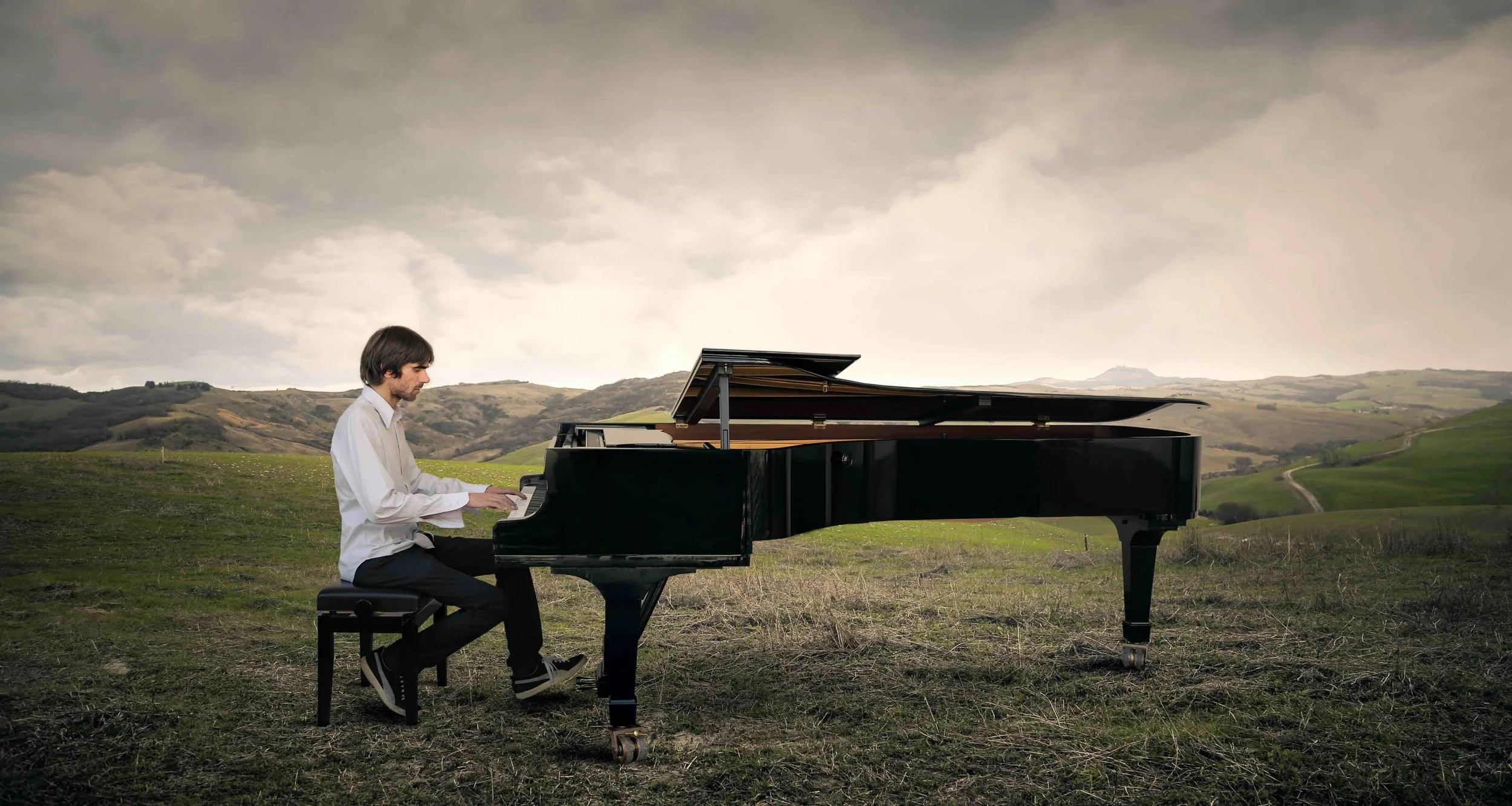
Photo by olly | Adobe Stock
Quentin Tarantino: Evaluate Later
Much like Frida Kahlo’s decision to reflect at different times and create at others, Tarantino believes in separating creation from evaluation. This arguably has led to the creation of some of the greatest films ever made. He believes that, to create freely, he must simply write. He drafts without needing immediate judgment, believing that editing would disrupt his creative productivity. Therefore, he creates in volume and evaluates and analyzes at a different stage. This practice is a proven method for increasing productivity, as it helps maintain confidence and momentum while creating.

Photo by pressmaster | Adobe Stock
Summing It Up
What leads to an artist's success is focus and meaning. Without either, creation is just empty. When productivity is treated as a discipline rather than some formula, we witness phenomenal creation. The emphasis on rhythm, depth, and intention is necessary to create. By applying these productivity lessons from some of the greatest, we can improve our own habits. By using productivity apps to give us that edge, we can reduce the likelihood of burnout and keep creating consistently, which is unanimously agreed to be the most critical characteristic of a good creator.
Published by KBR on February 16, 2025