
Interview with Franchela Ulises On Identity, Justice, Faith, and Self-Expression
By Kevin Fides
What does it mean to belong without having to explain yourself?
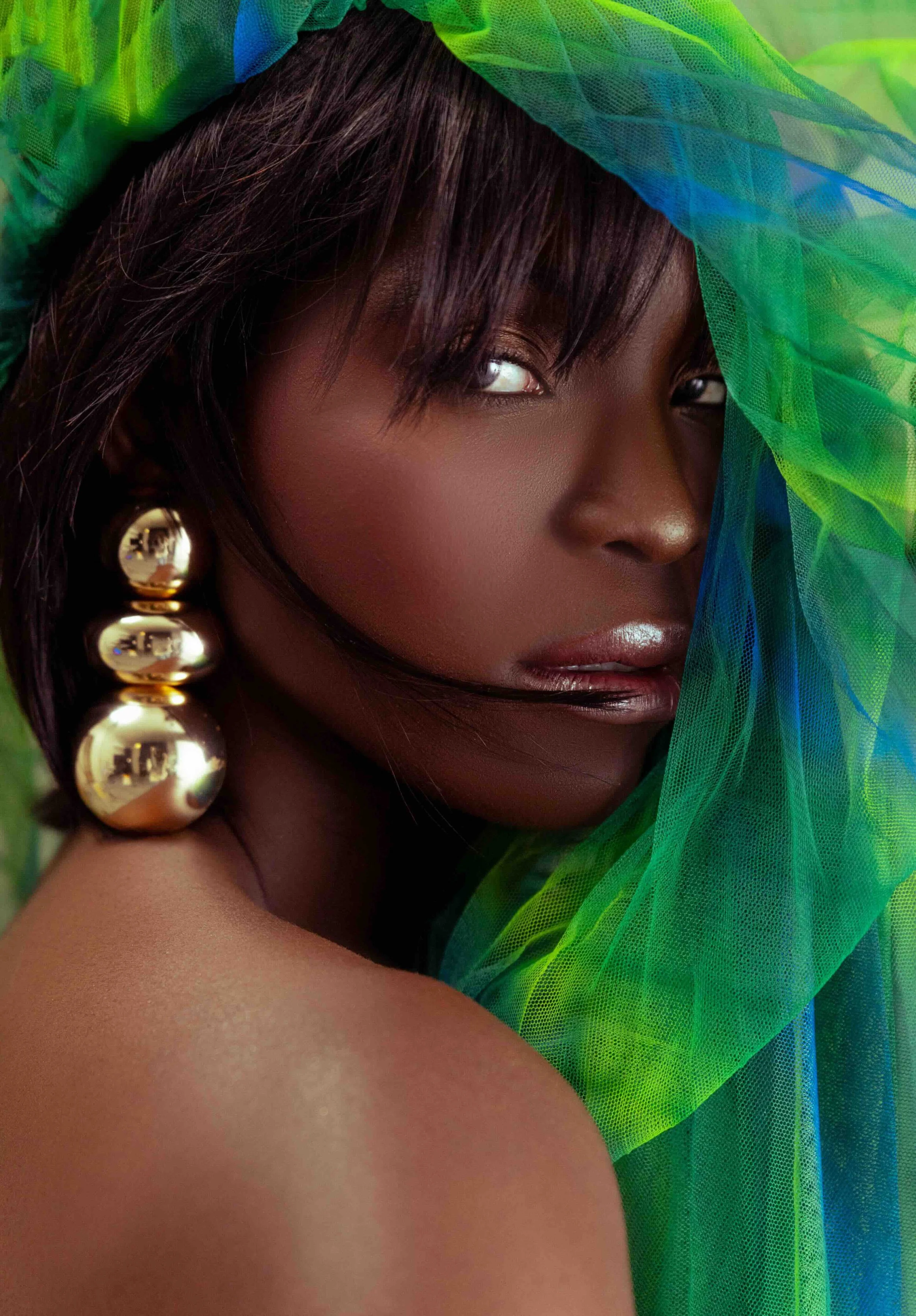
Image by @Alexysbrandphotography
Franchela Ulises grew up between the Virgin Islands and the Dominican Republic, two places that raised her in culture, color, and rhythm. Moving between these worlds gave her an early understanding that identity is layered, lived, and deeply personal. From a young age, she learned how to hold more than one perspective at once, how to feel at home in difference, and how to move through life without needing to choose just one version of herself. When she later moved to New York, that richness felt affirmed. The city reflected back what she already knew. Diversity did not need explanation. People simply existed as they were.
But when she relocated to Arizona, the contrast was immediate. The cultural shift was not subtle. As an Afro-Latina, she began encountering questions she had never had to answer before. Why do you speak Spanish? Where did you learn it? Do you belong here? What once felt natural suddenly required justification. With a background in Criminal Justice Administration, Franchela has always been attentive to questions of fairness, not only in formal systems, but in the quiet, everyday moments where identity is challenged or policed. Arizona made those moments visible. The constant need to explain herself became emotionally draining, yet it also clarified something deeper. Fairness is not passive. It is something that must be created, protected, and practiced. Rather than retreat, she built.
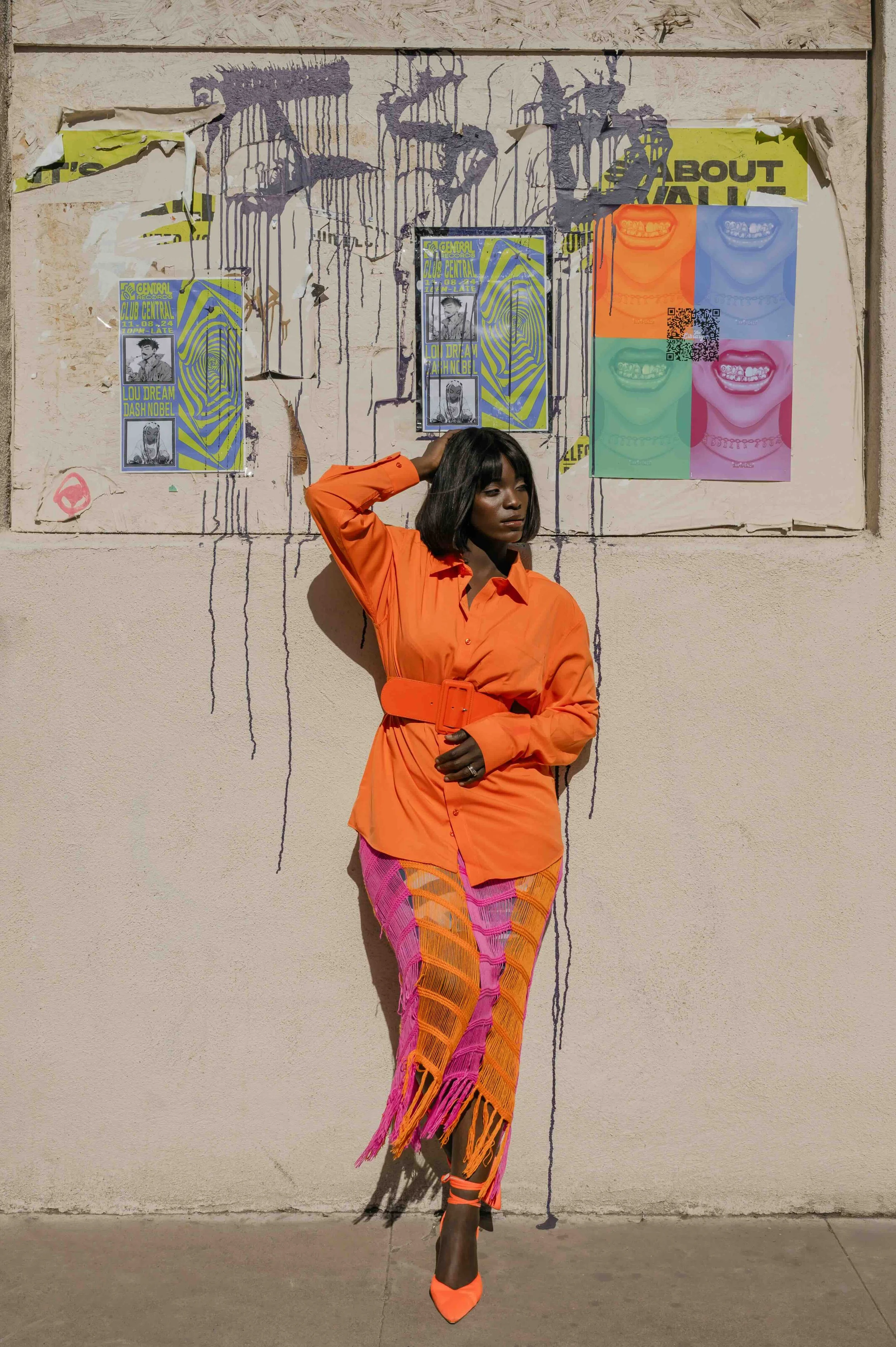
Image by @sharmarivisuals
Out of that tension came Mujeres of All Shades, a movement rooted in representation, unity, and belonging. It was never about fitting women into a single image. It was about creating space for women of different backgrounds, cultures, and skin tones to exist fully, without interrogation.Through community events, creative collaboration, and intentional connection, she created what she once needed herself. A place where difference was not questioned, but celebrated.
Motherhood deepened that mission. As a mother of three daughters, Franchela sees her younger self reflected in her every day. Her girls are Black, Latina, bilingual, and already navigating the same questions she once faced. For her, the work is no longer only personal. It is generational. She is building spaces where her daughters and others like them can grow up without doubting their right to belong, to speak their language, to take up space as they are.
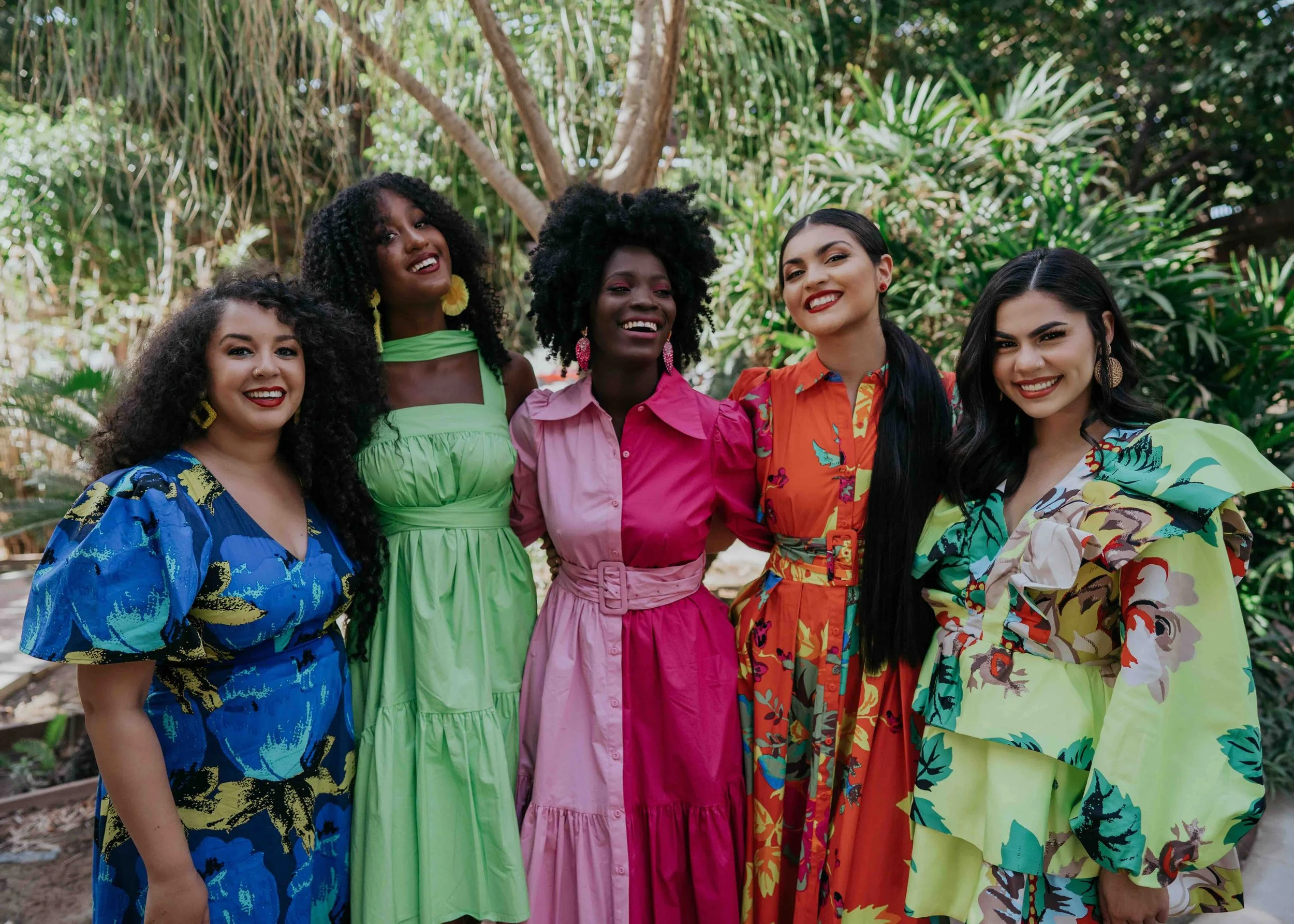
Image by @Aubree.photos
Faith grounds everything she does. As a Christian and the wife of a preacher, she centers her work in love, unity, and intention. God is not separate from her creativity. Faith is the foundation beneath it. Through prayer gatherings, community conversations, and shared reflection, Mujeres of All Shades is guided by a belief that purpose and expression are intertwined.
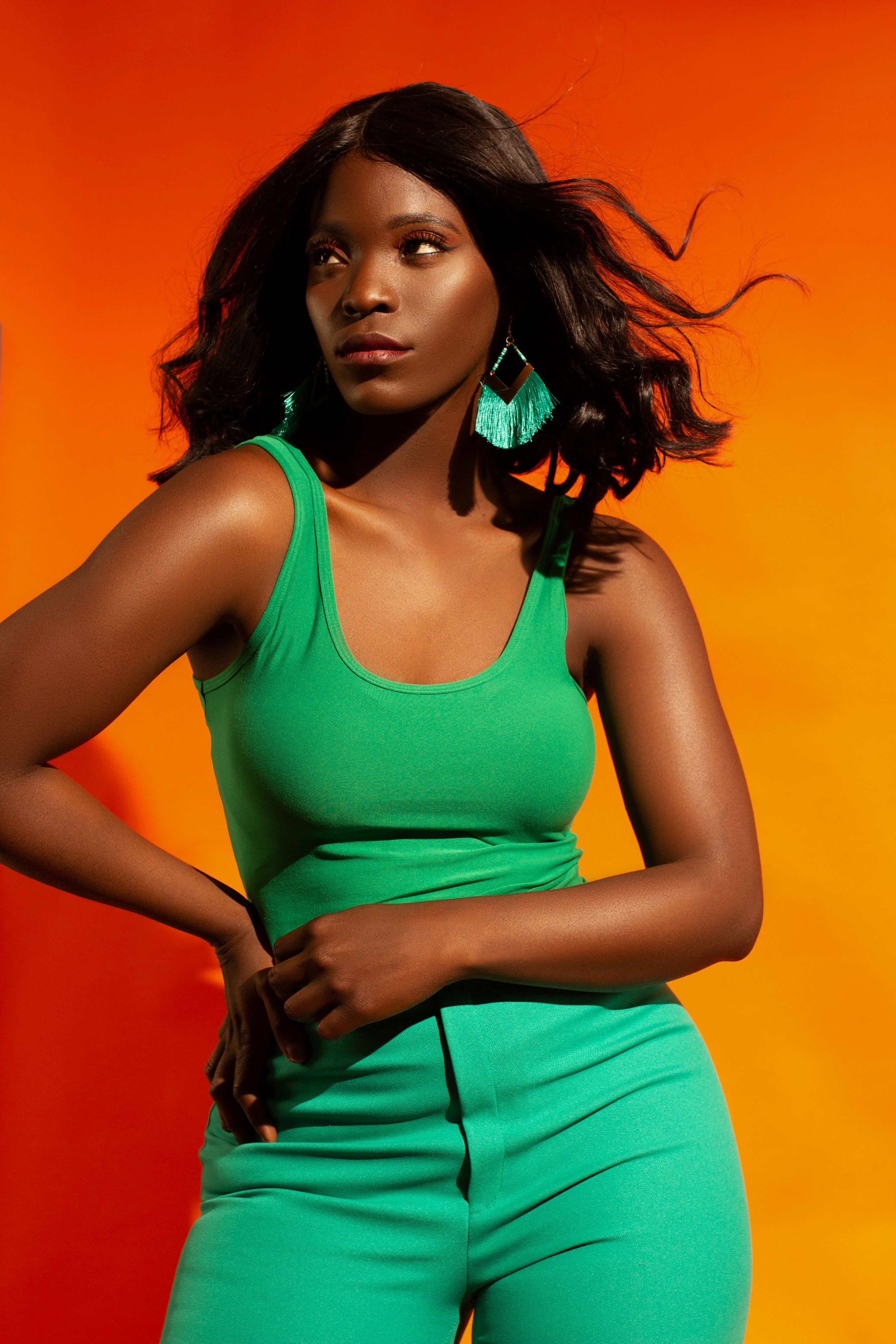
Image by @Alexysbrandphotography
When people are rooted in love, they build differently. Her passion for self-expression comes alive most vividly through color. Growing up, she was often told that bright colors did not suit her dark skin. Those messages stayed with her for years. It was only later, through fashion, thrifting, and creative risk, that she reclaimed color as a form of truth. Color became freedom. A way of saying, I am here, and I do not need to dim myself to be accepted. Today, that philosophy extends into her styling work, business-building and her Color Chaos series, where she mentors women in embracing visibility through what they wear.
For Franchela, self-expression is never shallow. It is emotional. It is spiritual. It is an act of courage. Many women are not afraid of color. They are afraid of being seen. Her work invites them to step forward anyway. At the heart of everything she builds is connection. Watching women from different backgrounds collaborate, hire one another, and support each other without hierarchy is what she finds most rewarding. In a world that often emphasizes division, she chooses to model unity. Not by erasing difference, but by honoring it.
When Franchela Ulises speaks about embracing your shade, she is not only talking about skin tone. She is talking about story, history, faith, and self-acceptance. About choosing to live in your truth, even when it feels disruptive. Even when it feels chaotic. Sometimes, especially then.
Published by KBR on March 3, 2025