What is Copyright? Legally Protect Your Rights as an Artist or Creative
By Zachary Hylstofte-Scott
In the dynamic world of art where creativity flows like a stream, ensuring the protection of your work is not just advisable; it becomes a pivotal part of your journey. Copyrights serve as a guardian for artists, safeguarding their creations and establishing a framework that balances creative freedom with financial security. This comprehensive guide will untangle the intricacies of copyrights, empowering you with the knowledge to protect your artistic endeavors. From understanding the legal frameworks that shield your creations to navigating potential infringements, this blog will equip you with the insights needed to confidently share your art with the world.
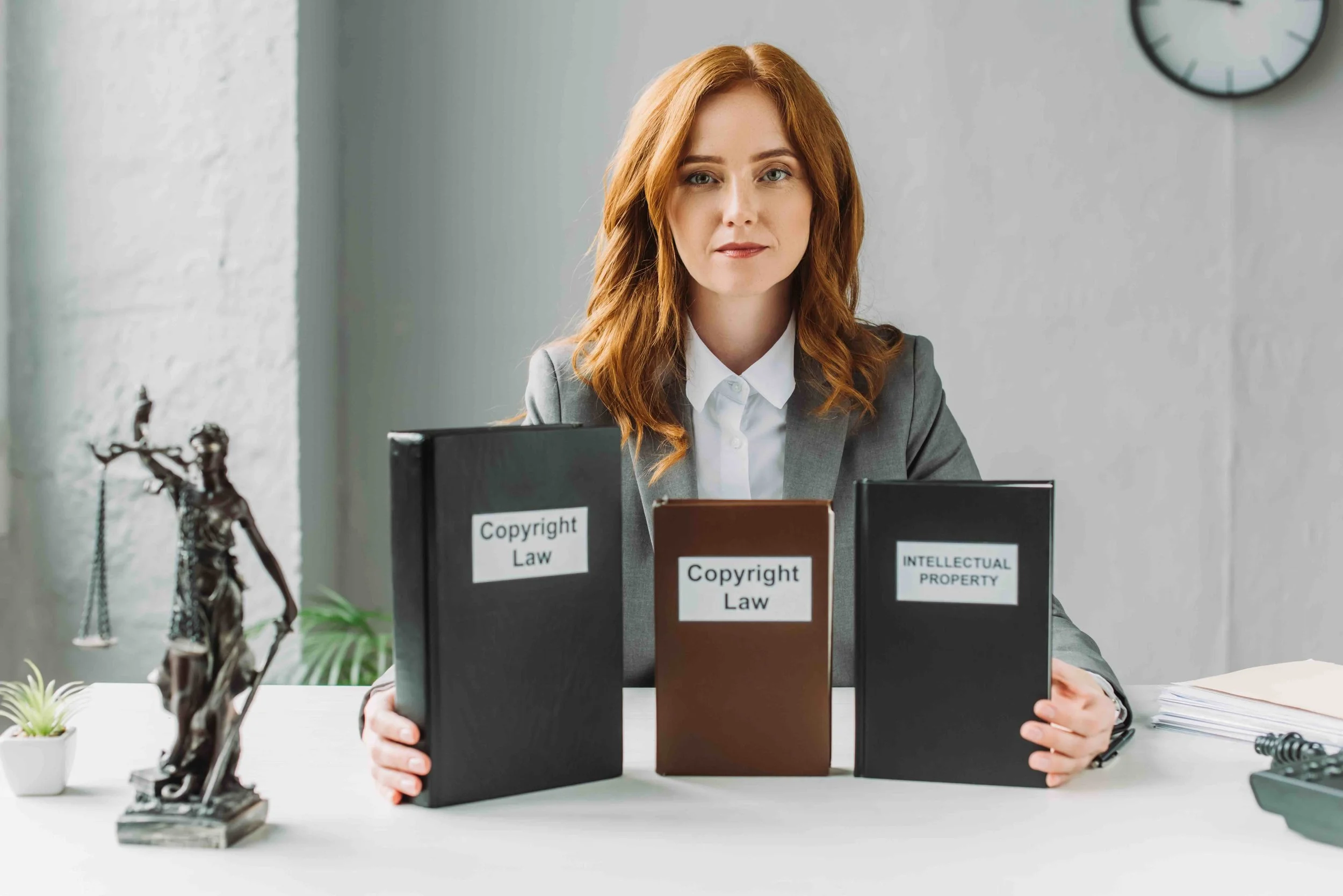
Photo by LIGHTFIELD STUDIOS | Adobe Stock
Understanding Copyrights
Copyright law, at its core, grants artists exclusive rights to control how their creations are used. This includes a variety of works such as literary, musical, dramatic, pictorial, graphic, and sculptural pieces, as well as motion pictures, sound recordings, and architectural designs. The essence of copyright law is to provide creators with the ability to reproduce, adapt, publish, perform, and display their work, ensuring that their unique voice is preserved and respected.
The Legal Framework
Navigating the legal landscape of copyrights can seem daunting, but understanding its foundations is crucial. Copyrights are automatically granted to creators upon the completion of an original work, provided it is fixed in a tangible medium of expression. However, registering your work with the U.S. Copyright Office enhances these protections, providing a public record and enabling you to pursue legal action against infringers more effectively. Copyright registration is a simple yet vital step in safeguarding your creations against unauthorized use.

Photo by ArLawKa | Adobe Stock
The Role of Copyright Lawyers
The complexities of copyright law can sometimes require professional guidance. Copyright lawyers serve as invaluable allies, offering expertise in protecting your work and navigating potential legal challenges. Whether you’re dealing with a dispute over the unauthorized use of your art or need advice on licensing agreements, a knowledgeable copyright attorney can provide clarity and support, ensuring that your rights are enforced.
Copyright Infringements: Real-World Examples
The relevance of copyright law extends beyond individual artists, often seeping into high-profile scenarios. Take, for instance, the instances where politicians have faced lawsuits for playing music during campaign rallies without the necessary permissions. Such cases underscore the importance of respecting intellectual property rights and highlight the potential legal ramifications of infringement. Similarly, issues arise in the music industry concerning covers of songs for live shows. Artists must ensure they have the appropriate licenses to perform covers, as failure to do so can result in legal consequences. These examples illustrate the practical implications of copyright law and the necessity of adhering to its guidelines.
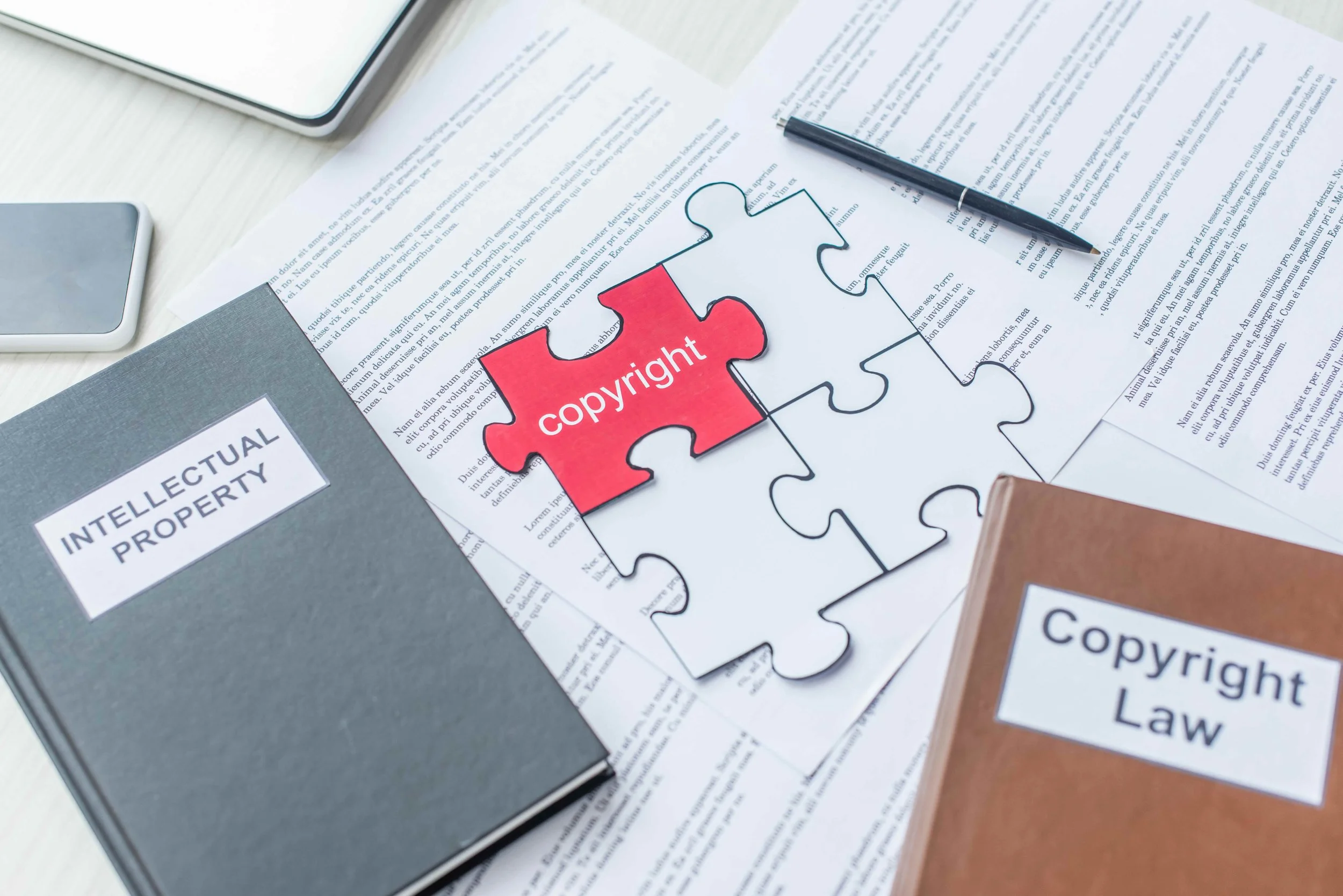
Photo by LIGHTFIELD STUDIOS | Adobe Stock
Licensing: A Path to Monetization
Licensing agreements open a world of opportunities for artists, allowing them to monetize their work while retaining control over its use. By granting licenses, artists can permit others to use their creations for specific purposes, such as commercial use, performances, or adaptations, in exchange for a fee or royalties. Understanding the nuances of licensing not only protects your interests but also provides a lucrative avenue to expand the reach of your art without relinquishing your rights.
Protecting Your Likeness: An Artist's Right and Responsibility

Photo by ArLawKa | Adobe Stock
In the art world, where creativity is limitless, artists invest in their creations and public persona. With digital media's rise, protecting their likeness is crucial. An artist's likeness includes photos, videos, and digital avatars, akin to a signature. To ensure its proper use, artists must assert their rights. They inherently have rights to their likeness, serving as protection against unauthorized use. Vigilance and proactive measures are key. Clear copyright notices and terms of use on websites or social media help set boundaries. Licensing agreements allow controlled use of likeness, benefiting the artist's brand. As digital art and AI evolve, staying informed about legal rights is vital. Consulting intellectual property experts can provide tailored advice. Protecting your likeness is essential, preserving your rights and artistic legacy. Embrace and defend it as part of your art's narrative.
Final Thoughts
Navigating the realm of copyrights is an essential skill for artists seeking to preserve their creative integrity and financial well-being. By understanding the legal frameworks, utilizing the expertise of copyright lawyers, and being aware of potential infringement scenarios, you can confidently protect your work. Licensing further provides a pathway to monetize your art while maintaining control. While the intricacies of copyright law may seem complex, arming yourself with knowledge allows you to share your art with the world, secure in the knowledge that your intellectual property is protected. Embrace the power of copyrights and let your creativity shine, unimpeded and respected.
This article is not legal advice. Information provided is for general, educational, or informational purposes only.
Edited by KBR on March 11, 2026