
7 Mistakes to Avoid for a Clear Complexion (Dermatology-Backed Tips for Healthier Skin)
By KBR
Clear and radiant skin is one of the most searched beauty goals online for many reasons. A smooth, healthy complexion can boost confidence, elevate your overall appearance, and simplify your daily routine. Yet despite the endless skincare products, TikTok routines, and viral beauty hacks, many people unknowingly sabotage their skin.
The truth is that achieving a clear complexion isn’t just about what you apply to your face but also about what you avoid doing every day.

Photo by m-art | Adobe Stock
Dermatologists consistently point to a handful of common habits that cause breakouts, clogged pores, inflammation, and dull skin. By eliminating these mistakes and adopting smarter skincare practices, you can dramatically improve your skin’s clarity and long-term health.
Below are seven of the most common skincare mistakes preventing people from achieving clear skin (and what to do instead).
1. Over-Washing Your Face
Many people assume that if their skin is breaking out, the solution is simply to wash their face more often. Unfortunately, this approach can often backfire.
Over-cleansing strips the skin of its natural protective oils. When those oils disappear, your skin may actually respond by producing even more oil, which leads to clogged pores and acne.
Signs you may be over-washing:
Tight or squeaky-clean feeling after cleansing
Increased oil production throughout the day
Redness or irritation
Frequent breakouts despite cleansing regularly
What to do instead:
Wash your face twice per day: once in the morning and once at night. Use a gentle cleanser designed for your skin type. If you work out or sweat heavily, a quick rinse afterward is helpful, but avoid excessive cleansing.
Consistency matters more than frequency.

Photo by pressmaster | Adobe Stock
2. Using Too Many Skincare Products at Once
Modern skincare routines can easily become overwhelming. Social media is full of 10-step regimens promising flawless skin. However, layering too many products often creates irritation, clogged pores, and conflicting ingredients.
For example, combining strong exfoliating acids, retinoids, and vitamin C without proper spacing can damage the skin barrier.
When the skin barrier becomes compromised, you may experience:
Dryness
Sensitivity
Breakouts
Uneven texture
Redness
What to do instead:
Focus on a simple, effective routine built around the essentials:
Gentle cleanser
Moisturizer
Sunscreen
Targeted treatment (if needed)
Minimal routines are often more effective and more sustainable.
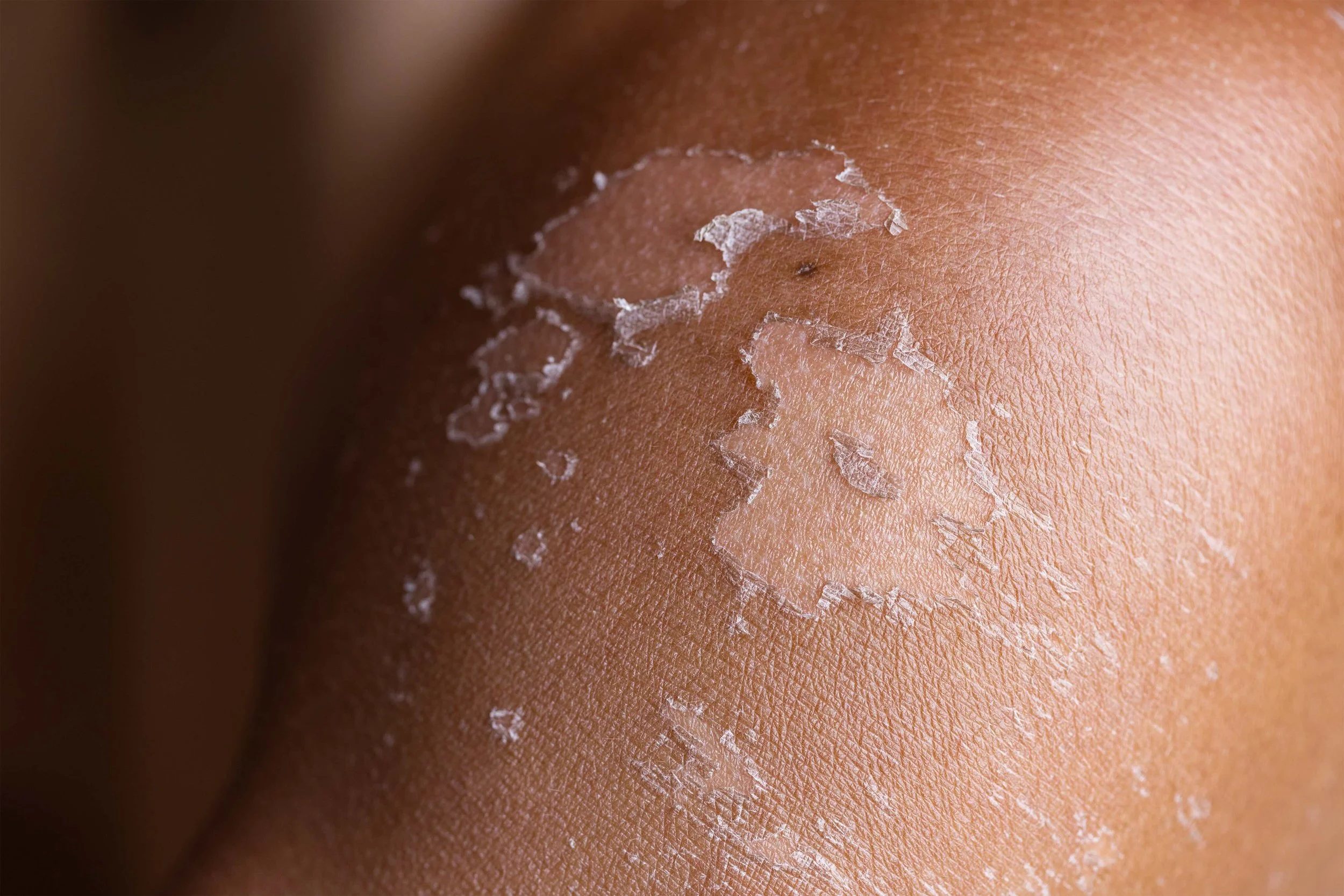
Photo by leungchopan | Adobe Stock
3. Skipping Sunscreen
One of the biggest skincare mistakes people make is underestimating the importance of daily sun protection.
Ultraviolet (UV) exposure contributes to:
Hyperpigmentation
Acne scars becoming darker
Premature wrinkles
Loss of collagen
Uneven skin tone
Even on cloudy days, UV rays penetrate the skin and cause long-term damage.
What to do instead:
Use a broad-spectrum SPF 30 or higher every day—even when staying indoors near windows or using screens. Sunscreen protects your skin from damage and allows other skincare treatments to work more effectively.
Daily SPF is widely considered the single most powerful anti-aging and skin-clearing habit you can adopt.

Photo by Dragana Gordic | Adobe Stock
4. Picking or Popping Pimples
Few habits are more damaging to a clear complexion than picking at blemishes.
While popping a pimple might seem satisfying in the moment, it pushes bacteria and debris deeper into the skin. This can cause:
Longer healing time
Increased inflammation
Permanent acne scars
Dark spots (post-inflammatory hyperpigmentation)
Dermatologists emphasize that most acne lesions heal much faster when left alone.
What to do instead:
Apply a targeted acne treatment with ingredients like salicylic acid or benzoyl peroxide.
Use hydrocolloid pimple patches to protect blemishes.
Keep your hands away from your face whenever possible.
Patience prevents scars.

Photo by bit24 | Adobe Stock
5. Ignoring Your Diet and Hydration
Skincare products play an important role in complexion health, but your diet and hydration levels also affect your skin.
Highly processed foods, excessive sugar, and dairy products have been linked in some studies to increased acne in certain individuals.
Dehydration can also lead to dullness and uneven skin texture.
What to do instead:
Focus on a skin-supportive diet that includes:
Fresh fruits and vegetables
Omega-3 fatty acids (salmon, walnuts, flaxseed)
Antioxidant-rich foods
Adequate water intake throughout the day
Healthy skin often reflects overall wellness.
6. Not Cleaning Items That Touch Your Face
Even if your skincare routine is perfect, your skin may still break out if the objects touching your face are dirty.

Photo by Mihail | Adobe Stock
Common bacteria-collecting culprits include:
Pillowcases
Makeup brushes
Phone screens
Towels
Hats or headbands
These surfaces collect oil, bacteria, and debris that can easily transfer to your skin.
What to do instead:
Wash pillowcases at least once per week
Clean makeup brushes every 7–10 days
Wipe down your phone screen daily
Use fresh towels for your face
Small hygiene habits can dramatically improve skin clarity.
7. Expecting Overnight Results
One of the most common reasons people struggle with clear skin is impatience.
Skincare products take time to work because the skin renews itself through a natural cycle that typically lasts about 28 days. Constantly switching products before they have time to take effect can make skin problems worse.
Many effective treatments, including retinoids and acne treatments, may take 4–12 weeks to show visible improvement.

Photo by Prostock-studio | Adobe Stock
What to do instead:
Commit to a routine for at least one full skin cycle (4–6 weeks) before evaluating results.
Clear skin is built through consistency, not quick fixes.
The Bottom Line: Clear Skin Is Built on Smart Habits
Achieving a clear complexion doesn’t require a complicated routine or expensive treatments. In many cases, the biggest improvements happen when people simply eliminate the habits that are harming their skin.
By avoiding these seven common mistakes you can create an environment where your skin can naturally repair and thrive. Healthy, glowing skin is ultimately the result of consistent care, balanced routines, and patience.
The good news is that once these habits become part of your daily lifestyle, maintaining a clear complexion becomes far easier and far more sustainable. The best time to start is today.
Published by KBR on March 6, 2026