
How to Start a Fashion Brand: A Step-by-Step Guide to Launching Your Clothing Line
By KBR
Fashion has influenced culture for thousands of years. What people wear can communicate identity, status, rebellion, community, creativity, and sometimes even an entire generation's attitude toward the world. From Levi's jeans and Louis Vuitton luggage to Savage X Fenty's reimagining of lingerie marketing, some of the most recognizable brands in the world began with a fresh point of view about what fashion could be.
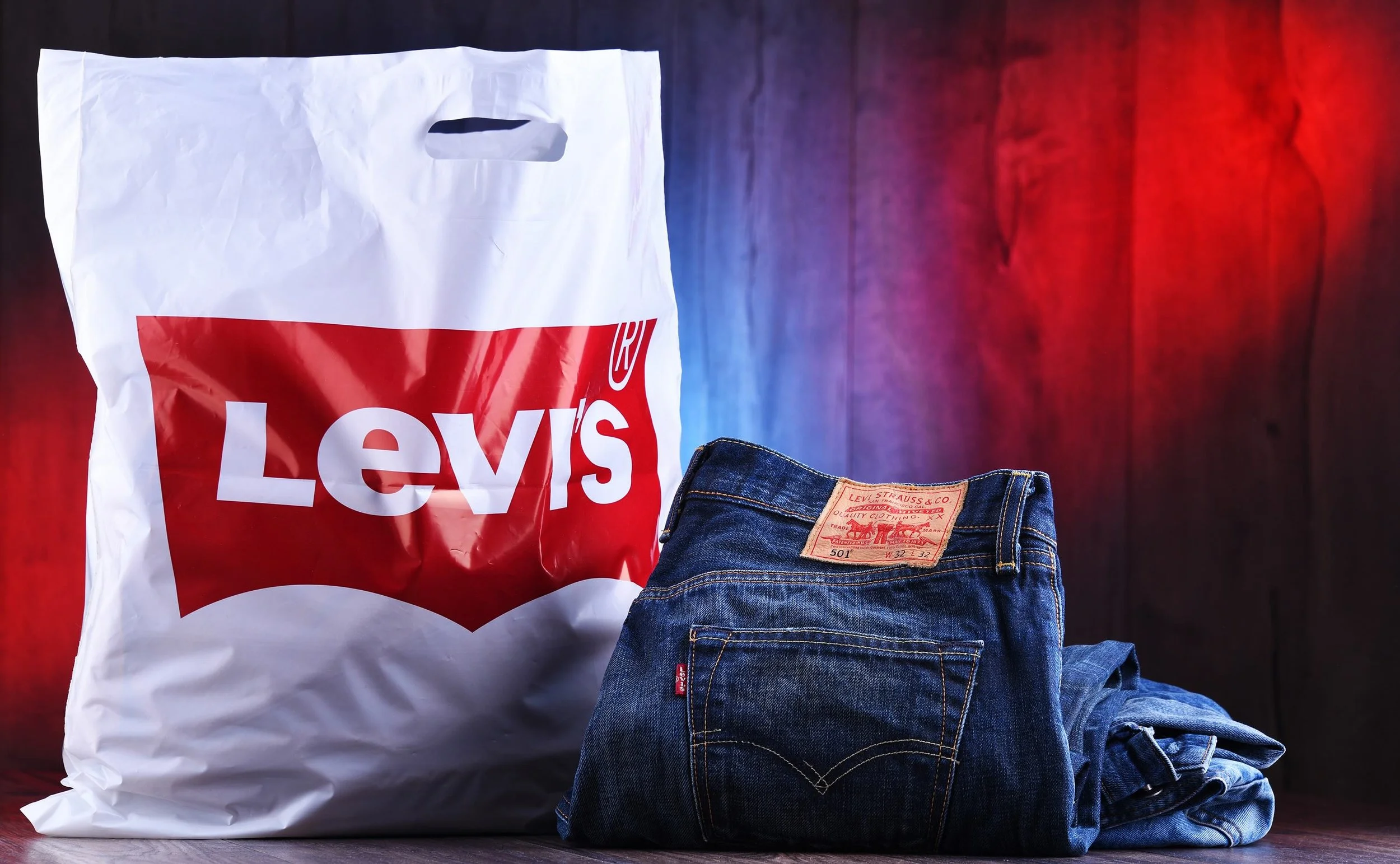
Photo by monticellllo | Adobe Stock
Most people can name several fashion brands without thinking twice. The difficult part is creating a fashion brand everyone remembers.
Starting a fashion brand is more accessible than ever, but accessibility has also created more competition. You can design a collection from your bedroom, connect with manufacturers online, build an ecommerce website, and reach potential customers through social media. What you cannot shortcut is the process of building a product and brand people genuinely want to support.
Whether you want to start a clothing line, jewelry brand, luxury label, or streetwear brand, the strongest launches typically begin long before the first product goes on sale. Here is how to start a fashion brand step by step:
1. Research the Fashion Industry and Your Market
Before designing your first collection, spend time understanding the market you want to enter. Research competing fashion brands, current trends, pricing, customer behavior, production methods, and the gaps that may exist within your category.
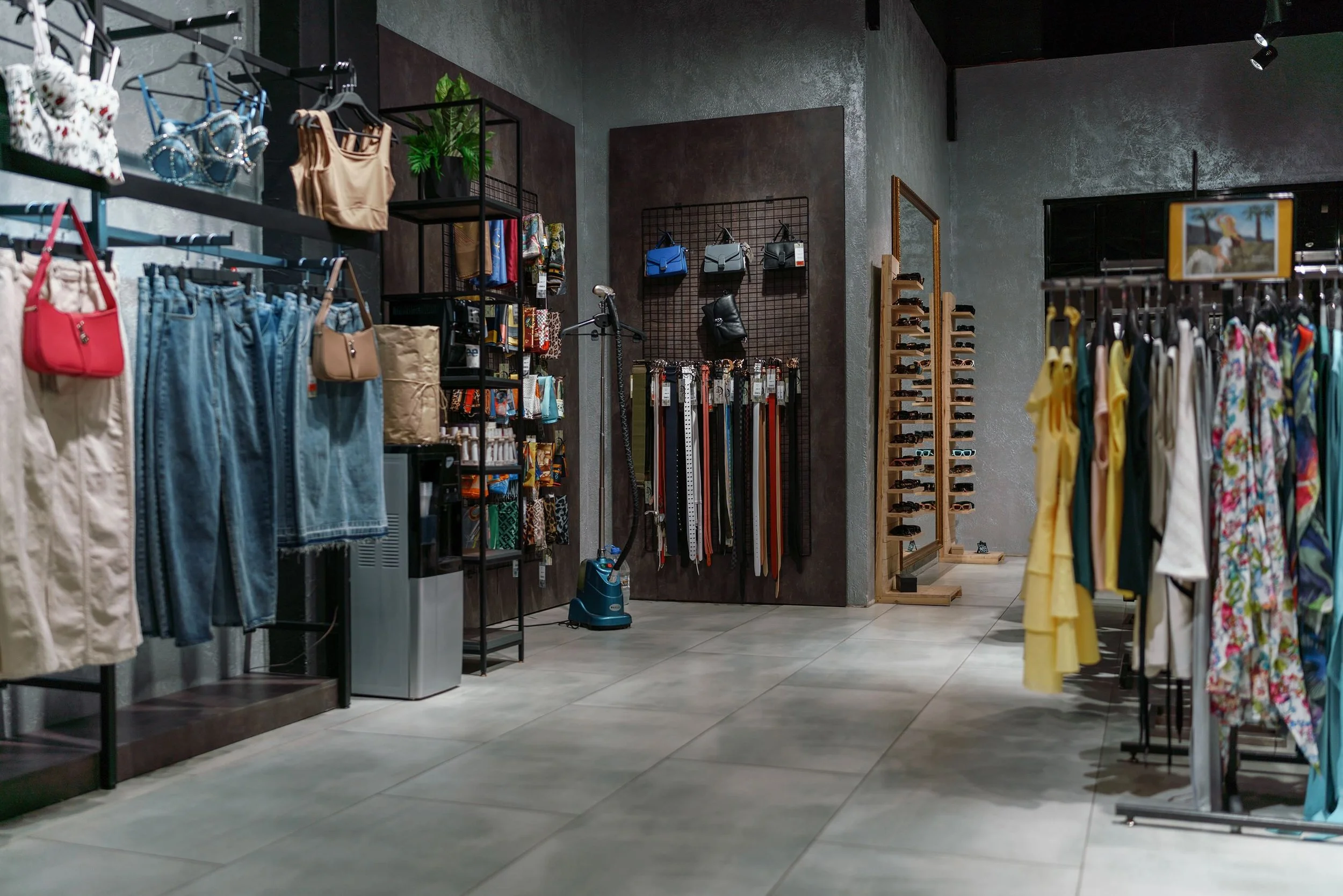
Photo by svetograph | Adobe Stock
This does not mean copying whatever is currently popular. Trends can provide useful information, but a successful fashion brand needs a reason to exist beyond recreating what other companies are already selling. Look at brands operating within your space and ask yourself what they do well, what they are missing, and where your perspective could be different.
For example, Levi's became deeply associated with denim culture, while brands like The Row built their identity around refined minimalism and luxury craftsmanship. Savage X Fenty disrupted expectations around lingerie by making inclusivity and entertainment central parts of its brand experience. These companies operate differently, but each developed a recognizable position rather than attempting to appeal to everyone.
Research should also include practical questions. What are customers currently paying for similar products? Where do they discover new brands? What materials and production methods are common within your category? What complaints appear repeatedly in customer reviews?
The more you understand before investing in inventory, the better prepared you will be to make informed decisions.
2. Define Your Niche and Target Audience
One of the biggest mistakes new fashion entrepreneurs make is trying to create clothing for everyone. A clearer niche makes nearly every other decision easier, including product design, pricing, branding, marketing, photography, and distribution.

Photo by KBR | Contagion Media
Your niche could be based on a product category, aesthetic, lifestyle, community, price point, or specific customer need. You might create experimental streetwear for musicians and artists, gender-inclusive fashion, handmade accessories, or luxury eveningwear.
The goal is not to make your audience unnecessarily small. The goal is to understand who your brand is speaking to.
Analyze beyond basic demographics and consider the person's lifestyle. What do they value? Where do they shop? What kind of music, art, culture, or experiences influence them? What problem does your product solve, whether practical or emotional?
Fabletics, for example, built around the intersection of activewear and accessibility, while Ivy Park connected fashion, athletics, and cultural influence. Your brand does not need celebrity-level recognition to develop a clear identity, but it should have a recognizable reason for existing.
3. Design Products That Represent Your Brand
Once you understand your audience, begin developing your products. Depending on your experience, this could involve sketching garments, creating digital mockups, draping, sewing prototypes, working with a fashion designer, or developing technical specifications for a manufacturer.
The design process should connect back to your brand identity. A random collection of individually attractive products does not necessarily create a cohesive fashion brand. Consider how silhouettes, fabrics, colors, graphics, construction, and styling work together.
For your first collection, simplicity is often an advantage. You do not need to launch with twenty completely different products. Starting with a smaller, focused collection can make production easier to manage while allowing you to test how customers respond.
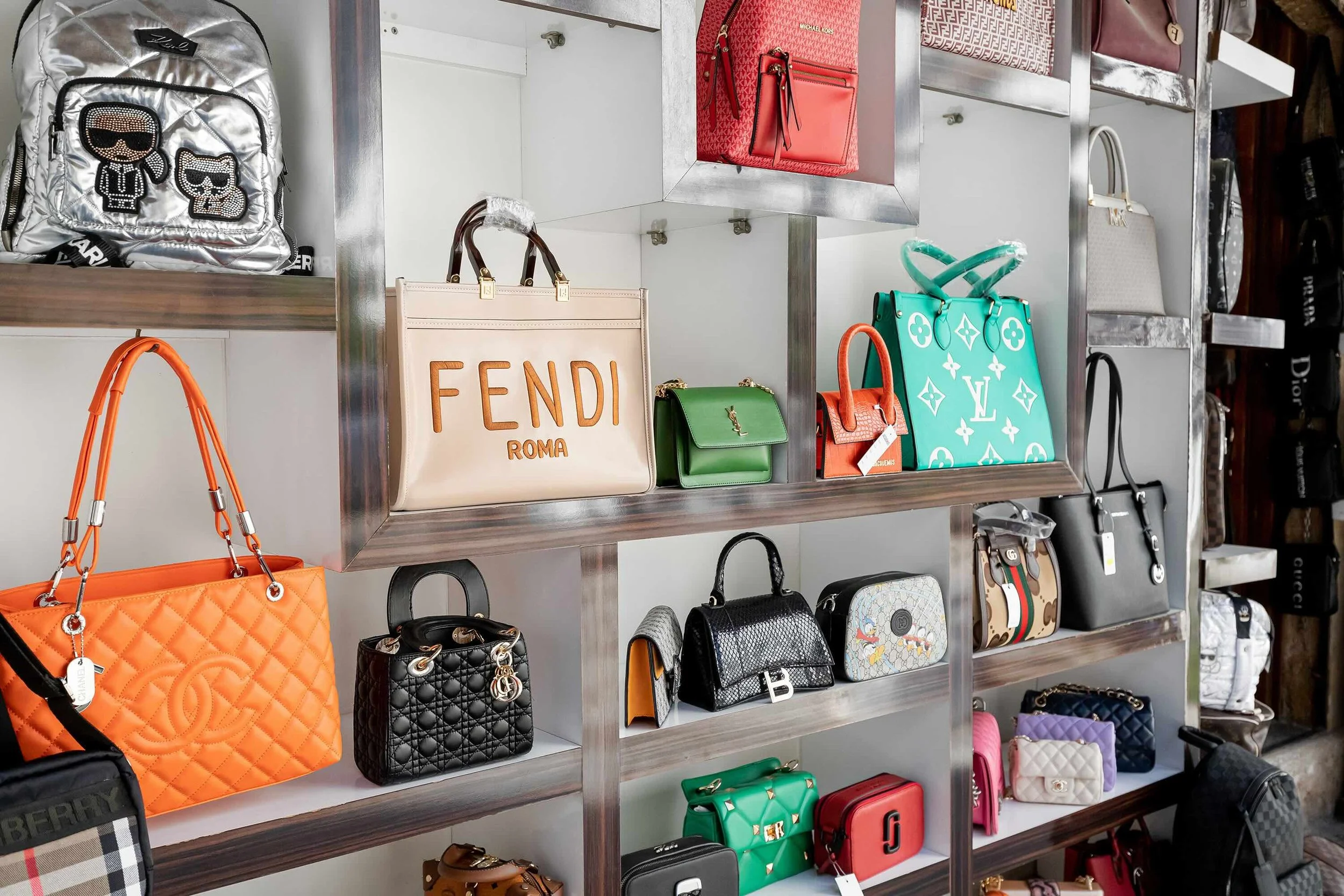
Photo by EdNurg | Adobe Stock
Every product should earn its place in the collection. Ask yourself whether it represents the brand, serves the target customer, and makes financial sense to produce.
4. Test Your Products and Manufacturers
Never assume that a product will translate perfectly from an idea into mass production. Sampling is one of the most important stages of starting a clothing brand because it allows you to evaluate fit, fabric, construction, printing, embroidery, and overall quality before committing to larger inventory orders.
Depending on your production method, you may need several rounds of samples before reaching a final version. This process can feel slow, but discovering a problem during sampling is significantly better than discovering it after hundreds of units have been produced.
When researching clothing manufacturers, look beyond the lowest price. Request samples when possible and compare multiple manufacturers before making a major commitment.

Photo by Wicitr | Adobe Stock
Consider….
Minimum order quantities
Communication
Experience with your product category
Sample quality
Production timelines
Materials
Quality control
Shipping logistics.
A manufacturer should be viewed as a production partner, not simply a website where you upload an idea and hope for the best.
5. Choose the Right Production Method
There is no single way to manufacture a fashion collection. The right production method depends on your budget, product complexity, timeline, and business goals.
Some independent brands begin by producing products themselves or working with local makers. Others use print-on-demand services to reduce inventory risk. Private label manufacturing can allow entrepreneurs to customize existing product styles, while cut-and-sew manufacturing provides more control over original designs but often requires greater development and investment.
Larger fashion companies may eventually work with multiple manufacturers and complex supply chains, but a new brand does not need to begin at that scale. Start with a production model you can realistically manage.
Before committing, understand your costs beyond the garment itself.

Photo by pressmaster | Adobe Stock
Profitability factors include…
Sampling
Labels
Packaging
Freight
Duties
Storage
Photography
Marketing
Ecommerce fees
Returns can all affect profitability.
Clear production planning and product costing should happen before placing a large order.
6. Build the Brand Before You Announce the Brand
Your clothing is only one part of the fashion brand experience. Before announcing your launch, develop the identity surrounding the products.
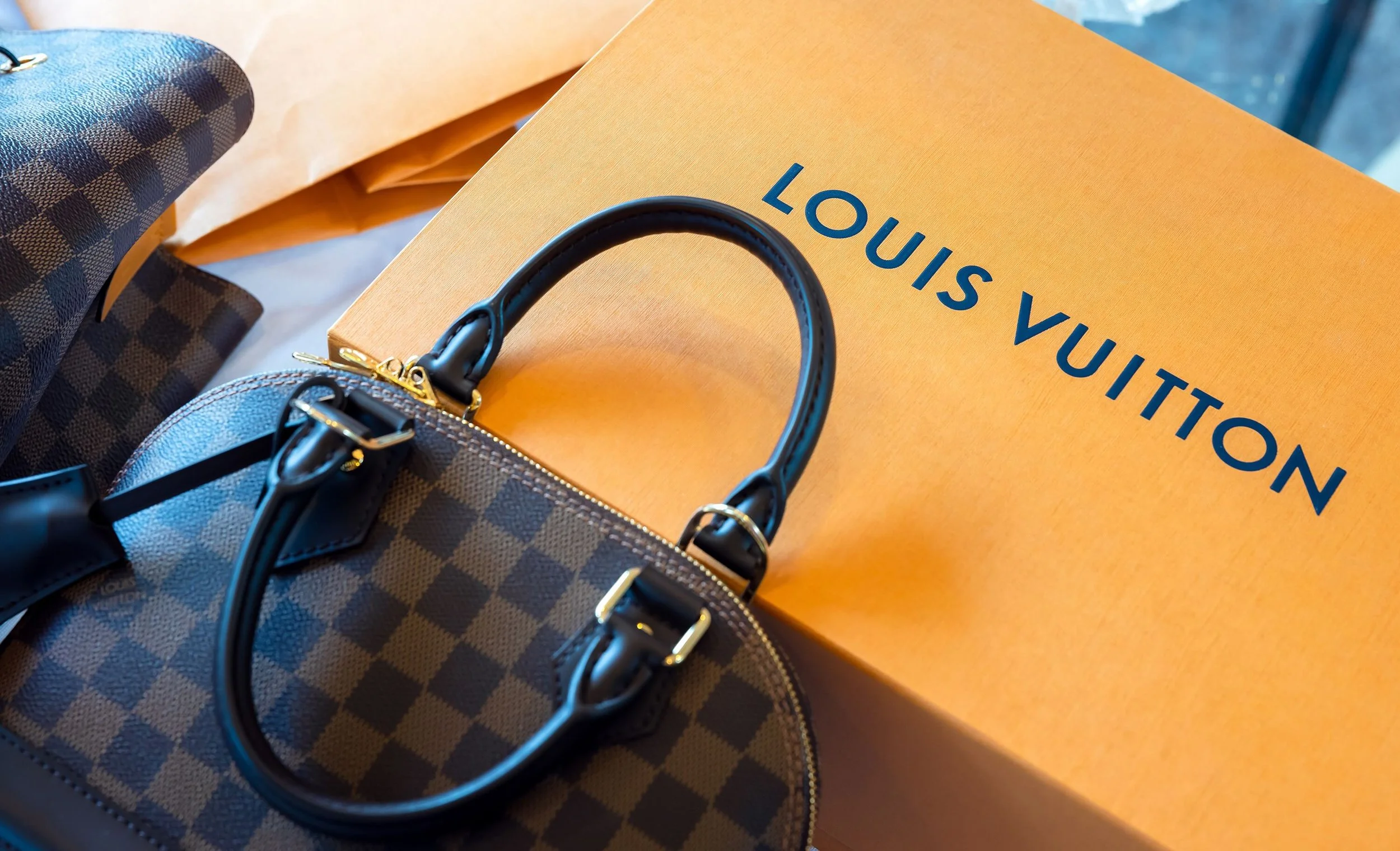
Photo by tongpatong | Adobe Stock
This includes…
Your brand name
Logo
Font
Color palette
Website
Brand voice
Social media presence
Creative direction.
More importantly, it includes the story and feeling people associate with your company.
Louis Vuitton is not recognized simply because it sells products. The brand has built a visual world around craftsmanship, travel, luxury, and cultural relevance. The Row has created a different world centered on restraint and refinement. Even smaller independent brands can think this way.
What should someone feel when they encounter your brand for the first time?
Building this foundation before launching gives you time to create consistency. Your photography should feel connected to your website. Your social media should reflect the personality of your products. Your packaging should feel intentional. Every customer interaction contributes to how people perceive the brand.
7. Build Anticipation Before Your Fashion Brand Launch
Do not wait until launch day to begin finding your audience.
One of the advantages independent fashion brands have today is the ability to document their journey publicly. Share parts of the creative process, fabric sourcing, sketches, fittings, samples, behind-the-scenes footage, and the story behind the collection.
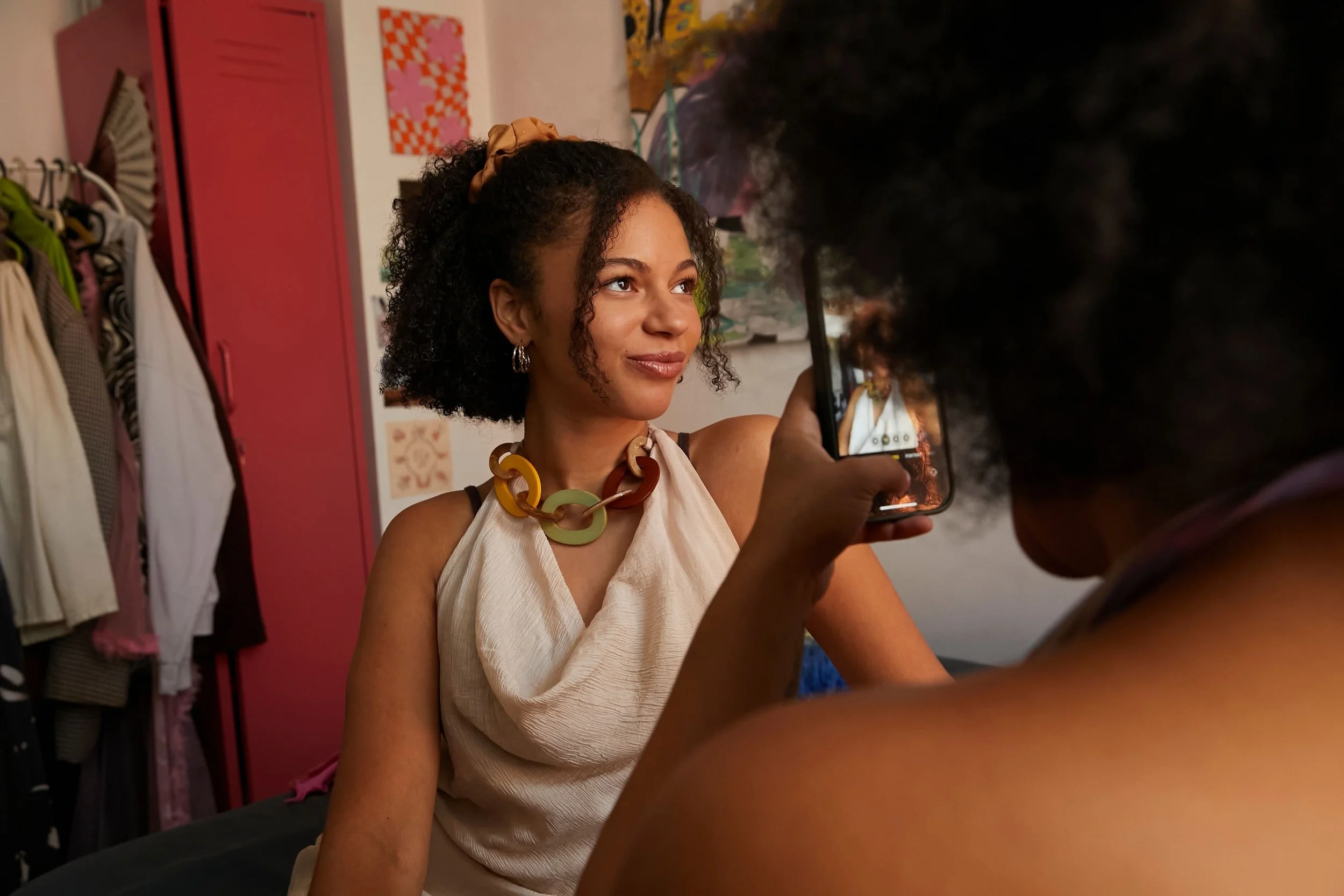
Photo by Ejatu Shaw | Adobe Stock
You do not need to reveal every product immediately. The goal is to create curiosity and give people a reason to care before asking them to buy.
Consider building an email list, offering early access, collaborating with models or artists, creating editorial content, or working with creators whose audiences genuinely align with your brand.
Fashion marketing works especially well when customers can imagine themselves participating in the world the brand has created. A strong campaign does more than show a product. It gives the product context and builds an aesthetic your audience wants to be a part of.
8. Launch Your Fashion Brand Strategically
When launch day arrives, make it easy for people to understand what you are selling and why they should care.
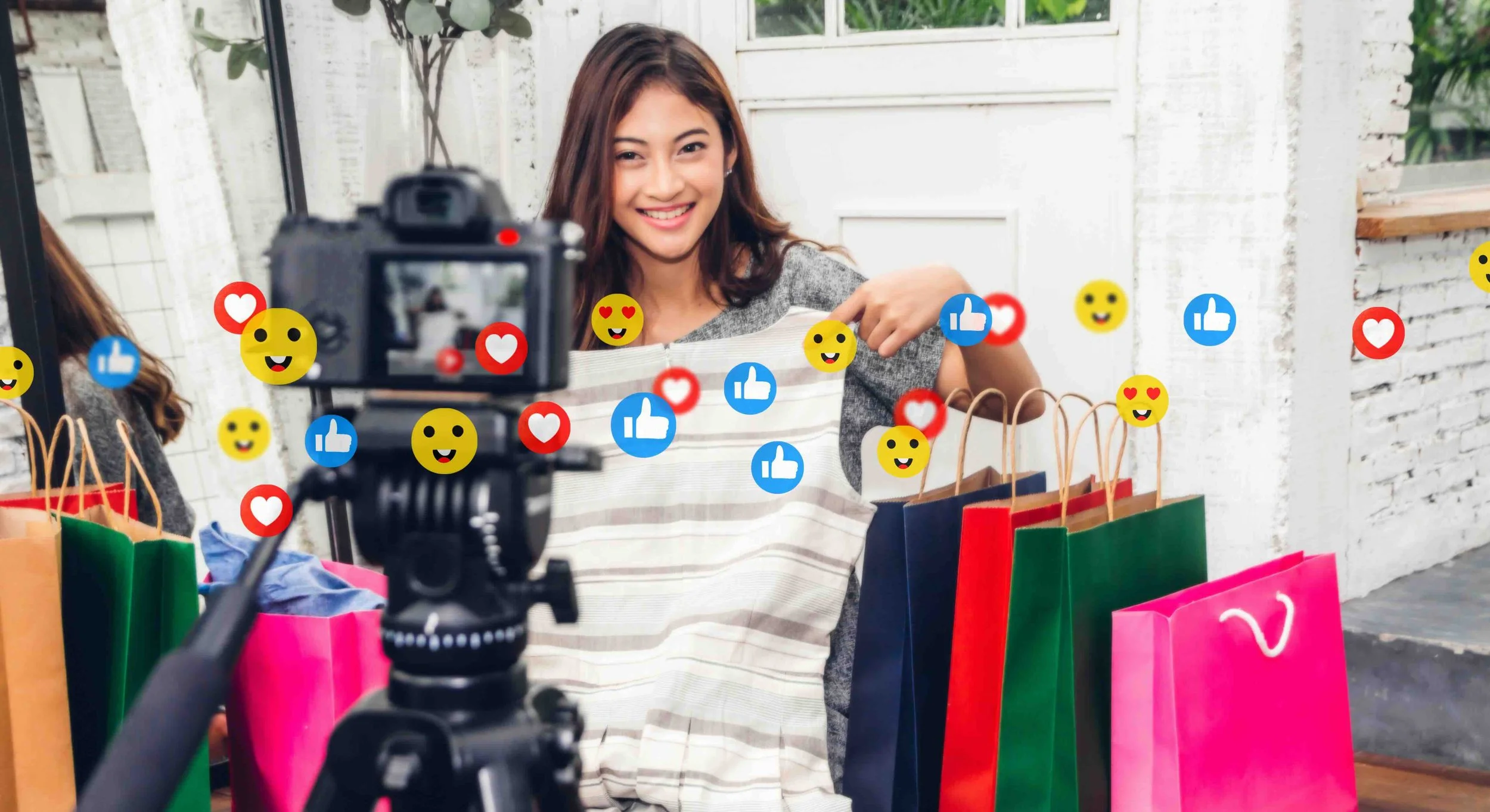
Photo by Art_Photo | Adobe Stock
Your website should clearly communicate the products, pricing, sizing, shipping information, and brand story. Product photography should accurately represent what customers will receive while still making the collection visually desirable. Consider working with professional models, photographers, and videographers for the launch if your budget allows.
A fashion launch can also extend beyond an online store. Depending on your audience, you might host a pop-up shop, gallery-style event, fashion presentation, launch party, runway experience, or collaborative activation.
The best format depends on your brand. A luxury collection may benefit from a carefully produced editorial campaign, while a streetwear brand could create stronger engagement through community events and limited drops.
Overall, your launch should feel like the beginning of a conversation, not the end of your marketing efforts.
9. Invest in Fashion Marketing After the Launch
Launching a clothing line does not guarantee that customers will find it. Consistent fashion marketing is necessary to build awareness and maintain momentum.
Use a combination of content marketing, social media, email marketing, photography, video, events, and paid advertising when appropriate. Pay attention to which platforms and content formats actually connect with your audience instead of attempting to be everywhere at once.
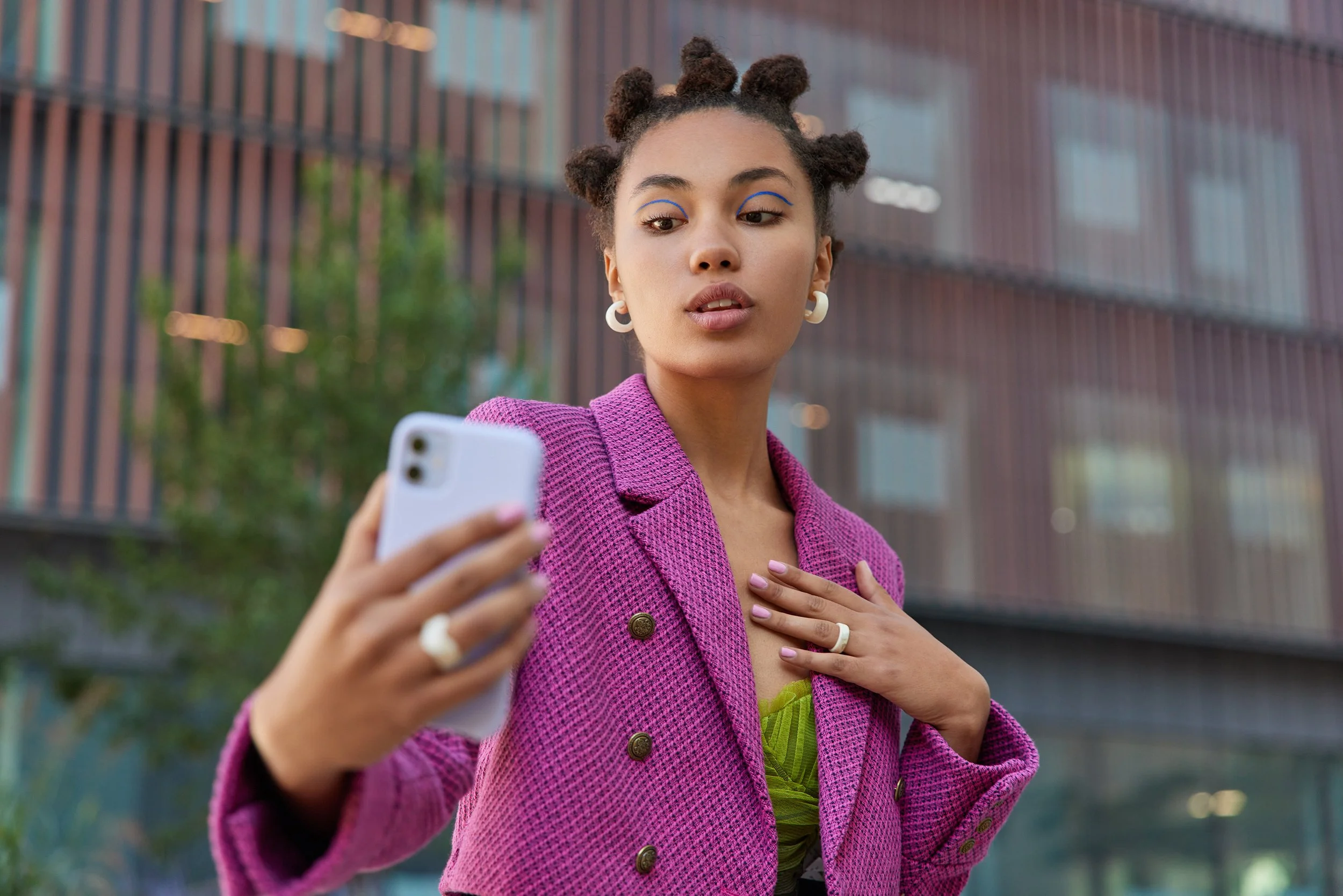
Photo by WHstudio Leushin N | Adobe Stock
High-quality visuals are particularly important in fashion because customers often experience the brand visually before they ever touch the product. Editorial photography, campaign videos, lookbooks, styling content, and behind-the-scenes storytelling can all help create a stronger connection between your products and audience.
The product may be what customers purchase, but the campaign is often what gets their attention first.
10. Think About Packaging and Delivery
If you are selling physical products directly to customers, the experience does not end when someone checks out.
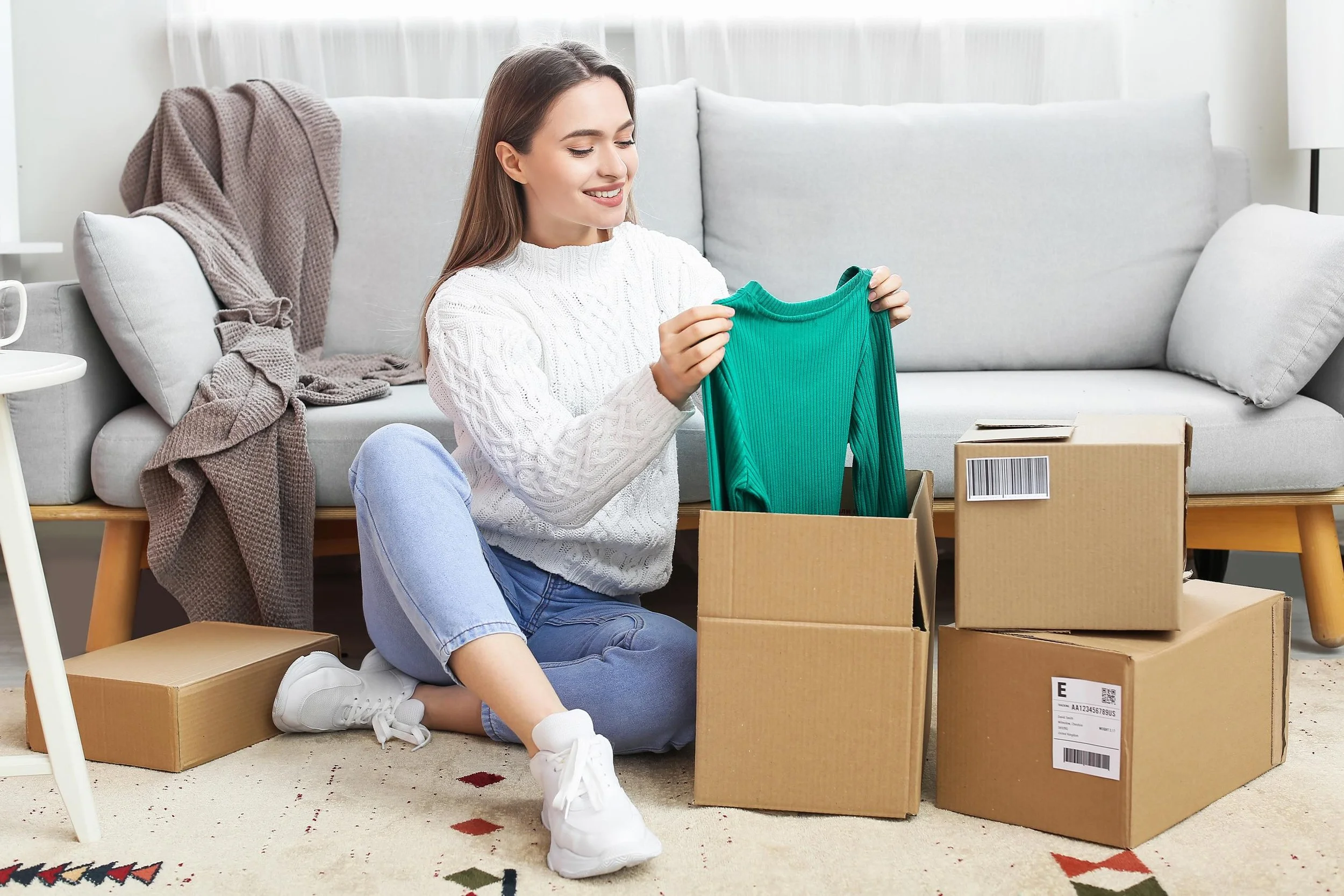
Photo by Pixel-Shot | Adobe Stock
Packaging is another opportunity to reinforce your brand identity. It does not necessarily need to be expensive, but it should feel intentional and appropriate for your product and price point. Consider presentation, protection, sustainability, inserts, thank-you messages, and how the customer experiences the product when opening their order.
Delivery logistics also matter. Customers expect clear shipping information and reliable communication, especially when purchasing from a new independent brand they may not have experienced before. A beautiful product can still create a disappointing customer experience if it arrives damaged, late, or poorly presented.
11. Release New Collections and Keep Building
Many successful fashion brands are not built around one launch. They grow through consistent campaign releases, community building, and repeated opportunities for customers to reconnect with the brand.
This does not mean you need to release new products constantly. Producing too much inventory can create financial pressure, especially for an independent fashion business. Instead, develop a release schedule that makes sense for your resources and audience.
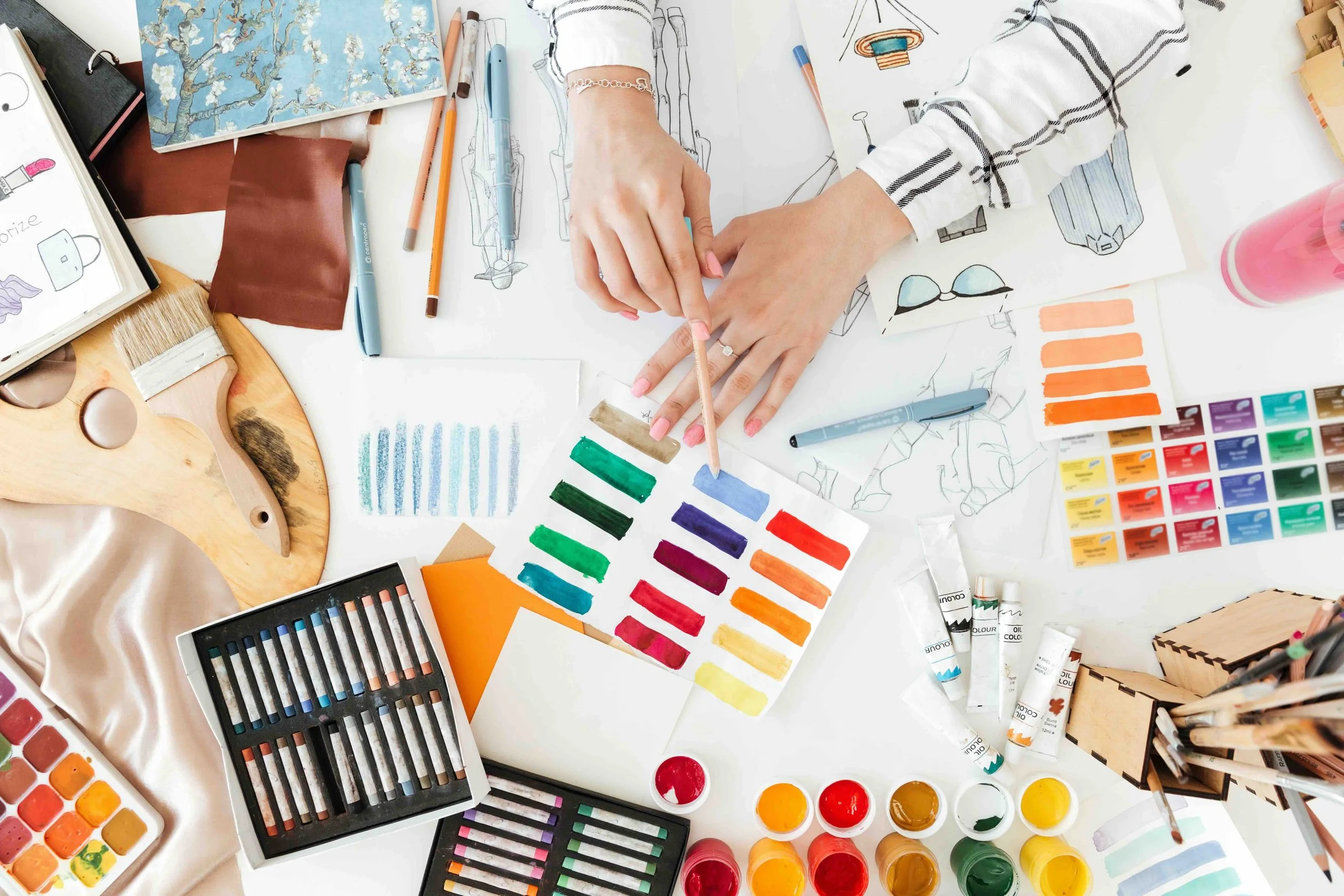
Photo by Drobot Dean | Adobe Stock
Each collection should teach you something. Seasonal collections, limited drops, collaborations, and special events can all give customers valuable reasons to return. Pay attention to what sells, what receives engagement, and what customers repeatedly ask for.
Over time, your brand can refine its identity based on real-world feedback rather than assumptions made before launch.
Starting a Fashion Brand Is Only the Beginning
Learning how to start a fashion brand can feel overwhelming because the process involves creativity, business strategy, manufacturing, branding, logistics, and marketing. The best way to approach such a big task is one step at a time.
The first collection is not the finished product of your ambition. It is the foundation. Research the market. Understand your audience. Develop strong products. Test your samples. Choose the right production method. Build your brand identity. Create anticipation before launching. Then continue marketing, releasing collections, and building relationships with the people who believe in what you are creating.
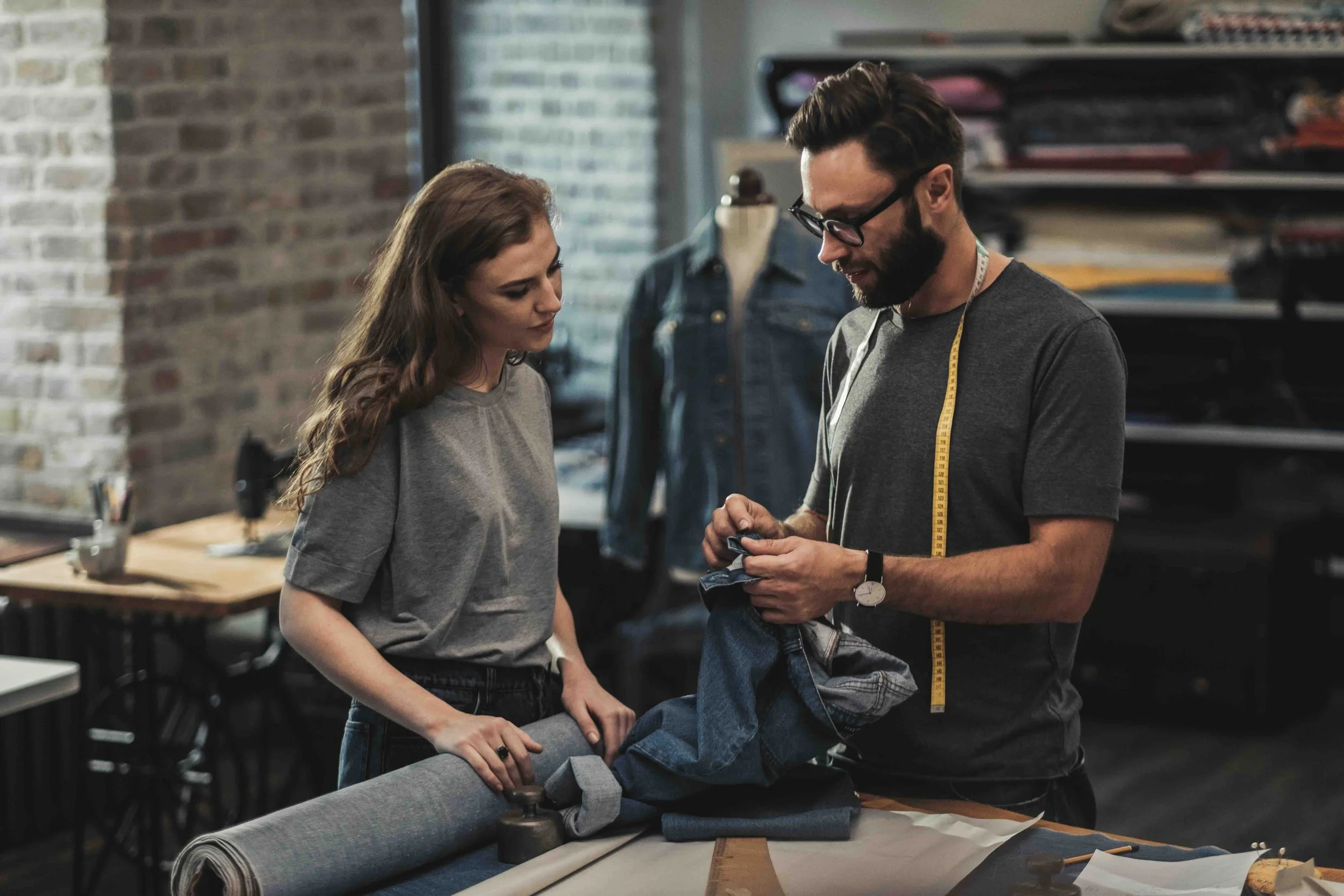
Photo by Nejron Photo | Adobe Stock
Some fashion brands become recognizable because of their products. Others become part of culture because they create an entire world around those products. Independent designers have more opportunities than ever to build that world, but standing out requires more than putting a logo on clothing. It requires perspective, consistency, and the willingness to keep developing long after launch day.
If you need a creative team to model, photograph, film, or develop a visual campaign for your fashion brand, connect with Contagion Media. We work with artists, creatives, and emerging brands to create imagery and campaigns designed to make ideas impossible to ignore.
Published by KBR on August 31, 2026