
5 NYC Music Schools Making Private Online Lessons Easier for Modern Families
NYC has a long history of treating music and the arts as part of community life, from private lesson programs to institutions rooted in Harlem’s long tradition of community-based arts education.

Photo by Tomasz Zajda | Adobe Stock
Between school pickups, work schedules, and everything else life throws at a busy NYC family, fitting music lessons into the week can feel like a logistical puzzle.
That's why more families are turning to private online lessons: same expert teachers, no commute, and a schedule that actually works.
The good news?
Several NYC-rooted music schools have built online programs specifically designed for how families actually live. Here are five worth knowing”
1. Music To Your Home
Best for: Families across NYC and online learners worldwide Instruments: Piano, guitar, voice, violin, drums, flute, cello, saxophone, and more
Music To Your Home was built on one idea: the teacher matters more than anything else. Whether you're booking an in-home lesson in Manhattan or a live online session from anywhere in the world, every instructor goes through a strict vetting process before they're ever matched with a student.
That philosophy comes directly from founder Vincent Reina, who began teaching piano lessons as a high school student and went on to earn a Bachelor of Music in Piano Performance from Purchase Conservatory and a Master of Arts in Teaching Music from Manhattanville College.
After years of running his own piano studio, Reina founded Music To Your Home with Tracy Reina in 2003 to bring the same high standard of private instruction to more instruments, more families, and eventually, online learners around the world.
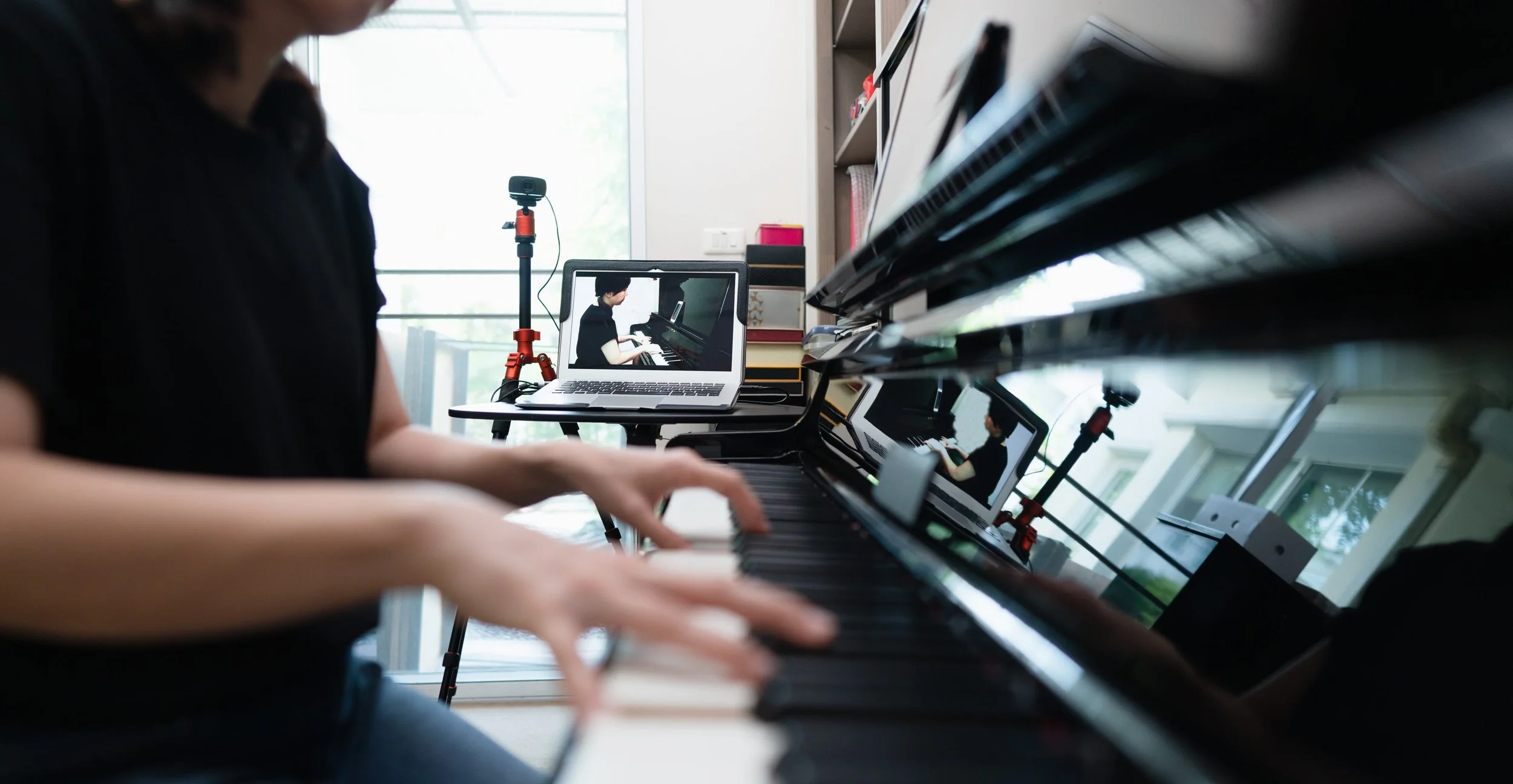
Photo by ztony1971 | Adobe Stock
As Reina has explained through the company’s founding vision, the goal was to “continue the tradition of excellence” from his piano studio and extend it to all instruments and voices.
That idea still shapes the way MTYH works today: teachers are handpicked through an extensive interview process, not only for their credentials, but for their ability to connect with students at different ages and skill levels.
For NYC families, that means a premium in-home lesson model with carefully vetted instructors who come to the student. For online learners, it means access to the same teacher-first approach through flexible live sessions. These online music lessons with private teachers can be customized by age, instrument, skill level, and goal, whether that means a four-year-old starting ukulele, a teenager preparing for an audition, or an adult returning to piano after twenty years.
What makes MTYH stand out for busy households is the scheduling model. Same-day availability is offered for most lessons, and the concierge-style customer service means you're not waiting days for a response. Lessons are fully customized by age, skill level, instrument, and goal, whether you're booking for a four-year-old picking up a ukulele or an adult returning to piano after twenty years.
Why families choose it: Premium instruction, fast scheduling, and the flexibility to learn in-home or online without dropping quality.
2. Sage Music (Long Island City, Queens)
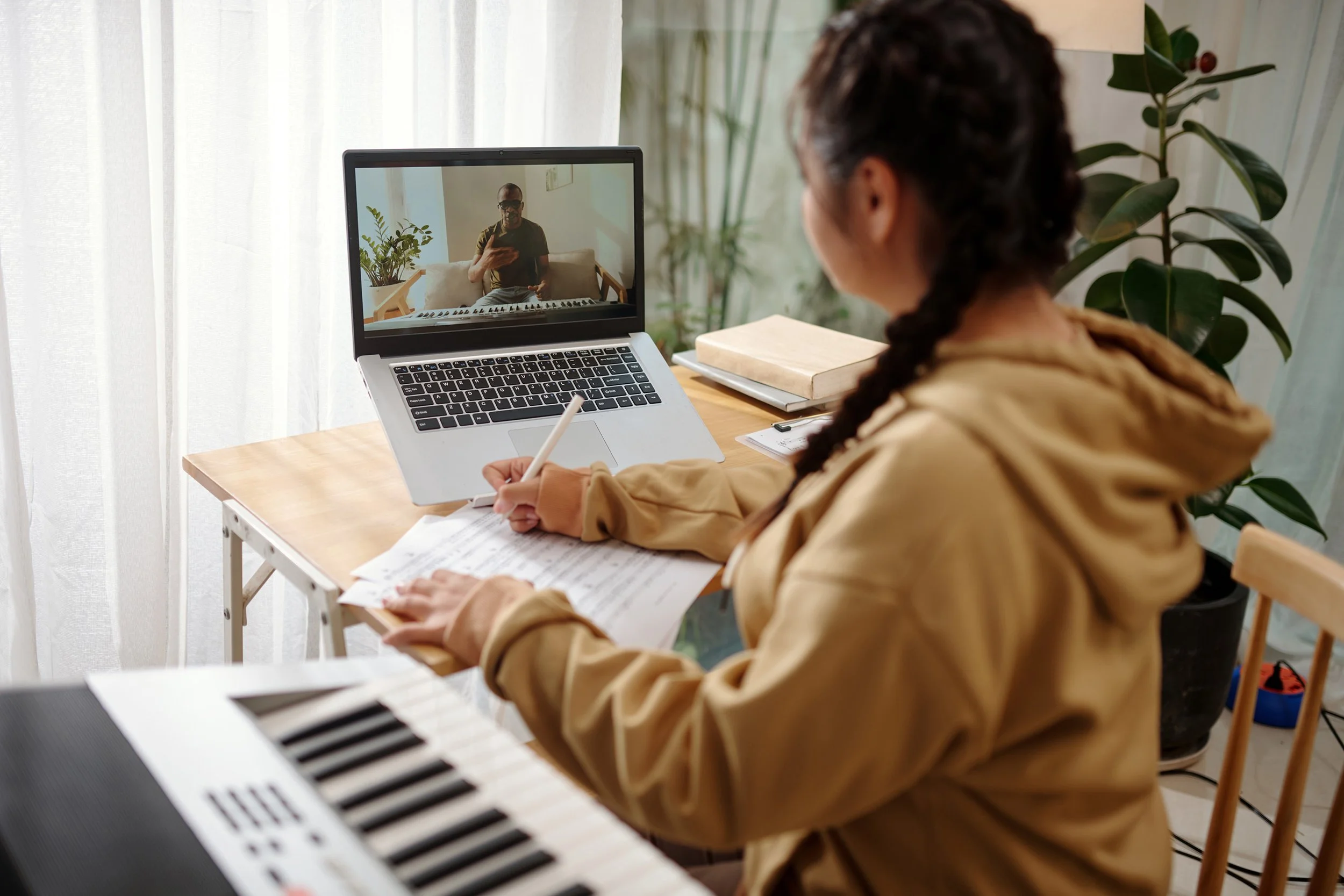
Photo by DragonImages | Adobe Stock
Best for: Students who want a structured, science-backed learning system Instruments: Piano, guitar, voice, violin, cello, drums, saxophone, and more
Founded in Long Island City, Queens in 2011, Sage Music has been involved in the local community since its beginning. What sets it apart is the Arpeggio® lesson system: a structured approach grounded in learning science, designed to align music instruction with how people actually learn.
Before any lessons begin, students meet with a senior member of the team to determine goals, set preferences, discuss learning style, assess skills and experience, and build a lesson plan.
From there, students get access to a dedicated private online platform to attend lessons, set music goals, review lesson notes, practice homework, and manage their student account.
For parents, one feature stands out: all lessons are recorded, and parents can join online sessions anytime they wish. That kind of transparency is hard to find elsewhere.
The results speak for themselves. Students stay enrolled at Sage Music for over 11 months on average, compared to a three-month national average reported by a national association of music schools.
Why families choose it: A proven system, recorded lessons, and a curriculum built around your child's specific goals, not a one-size-fits-all curriculum.
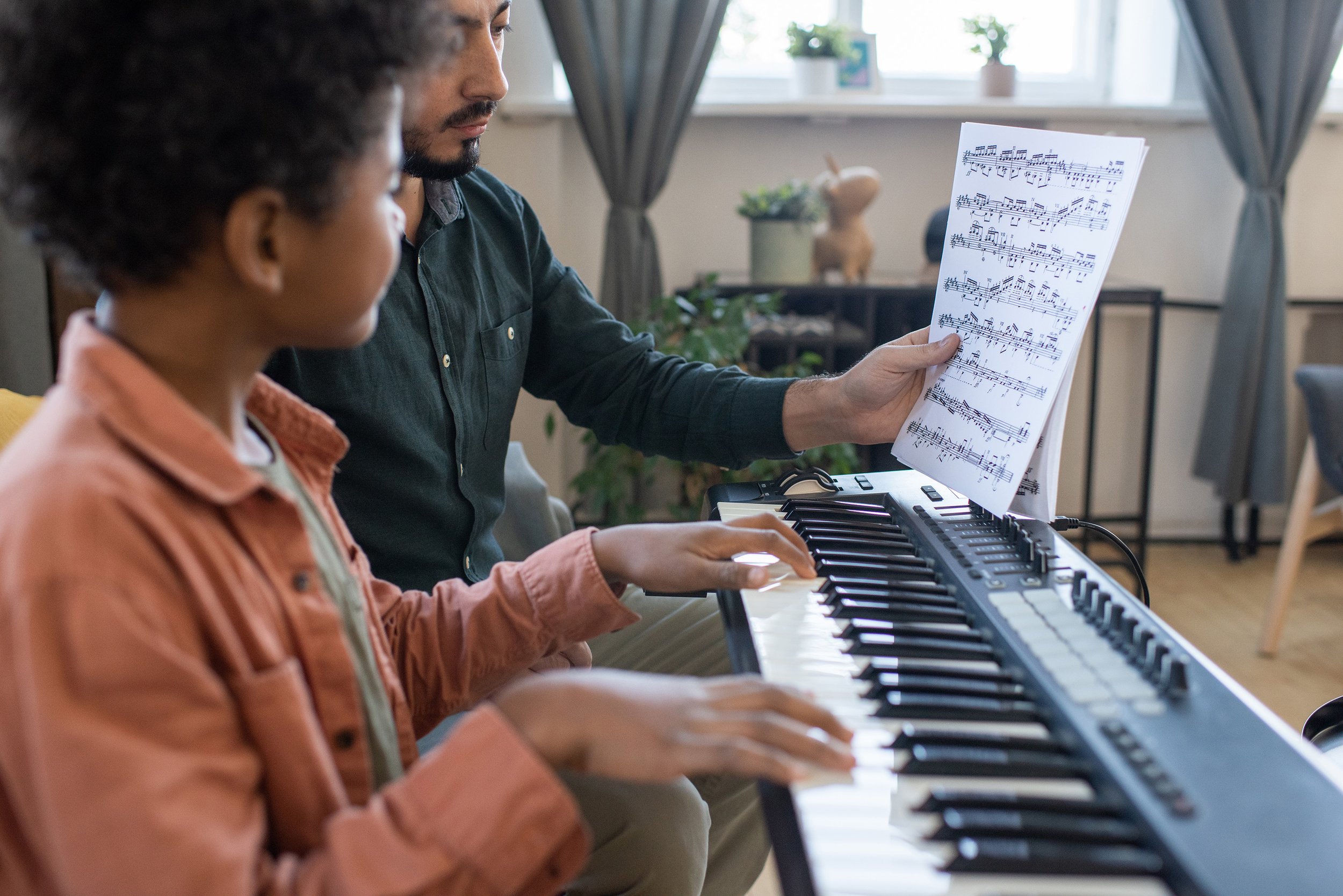
Photo by pressmaster | Adobe Stock
3. Blue Balloon Songwriting School
Best for: Kids ages 3 and up who learn best through creativity and self-expression Instruments: Guitar, piano, voice, violin, ukulele, drums, bass, and more
Blue Balloon was founded in 2010 by Rachel Lipson, an accomplished teacher, performer, and songwriter, and is widely recognized as one of the most sought-after music programs in the country. The concept is simple and genuinely different: students learn to play an instrument by writing their own songs.
Songwriting lessons incorporate the benefits of traditional music lessons with the added elements of creativity, self-exploration, and building self-confidence.
And for families worried about age: Blue Balloon teachers have lots of experience working with little ones, and lessons for very young children are play-based and child-led because children learn best when they're having fun.
Lessons are available in-home across NYC neighborhoods including the Upper East and West Sides, Tribeca, SoHo, Williamsburg, and Park Slope, as well as virtually. Students also have many opportunities to perform their own original songs at major music venues in NYC and online.
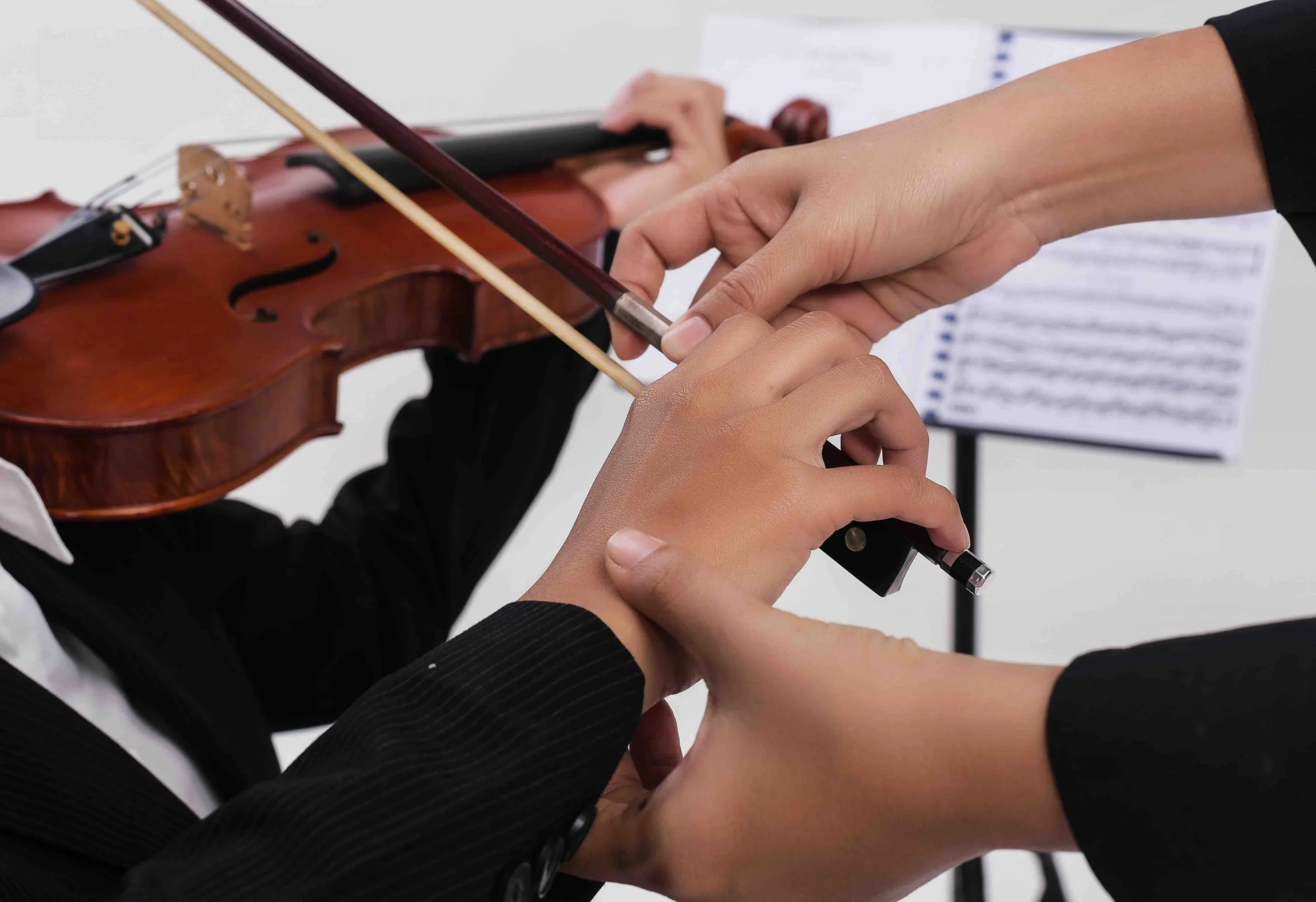
Photo by Watcharin | Adobe Stock
Why families choose it: Creative, child-led lessons that make practice genuinely fun, especially for younger or reluctant learners.
4. Brooklyn Conservatory of Music (Community Music School)
Best for: Families in Brooklyn and beyond looking for strong community ties and ensemble opportunities Instruments: Wide range including strings, piano, guitar, voice, winds, and more
The Community Music School at Brooklyn Conservatory of Music (BKCM) provides music instruction across a wide variety of instruments, genres, and ensemble types. What makes it a strong option for families isn't just the lesson quality; it's what surrounds the lessons.
Private lessons provide personalized, focused instruction tailored to the unique goals and needs of each student, with highly skilled and dedicated instructors offering a supportive environment to deepen musical proficiency. Beyond that, private lesson students of all ages are eligible for free or reduced tuition for many group classes and ensembles.
For families who want their child to play with others, not just practice alone, that's a meaningful differentiator. Ensemble playing builds listening skills, confidence, and musical awareness in ways that solo practice simply can't replicate.
BKCM also has a genuine commitment to access. The school strives to provide financial assistance when possible as part of its community mission.
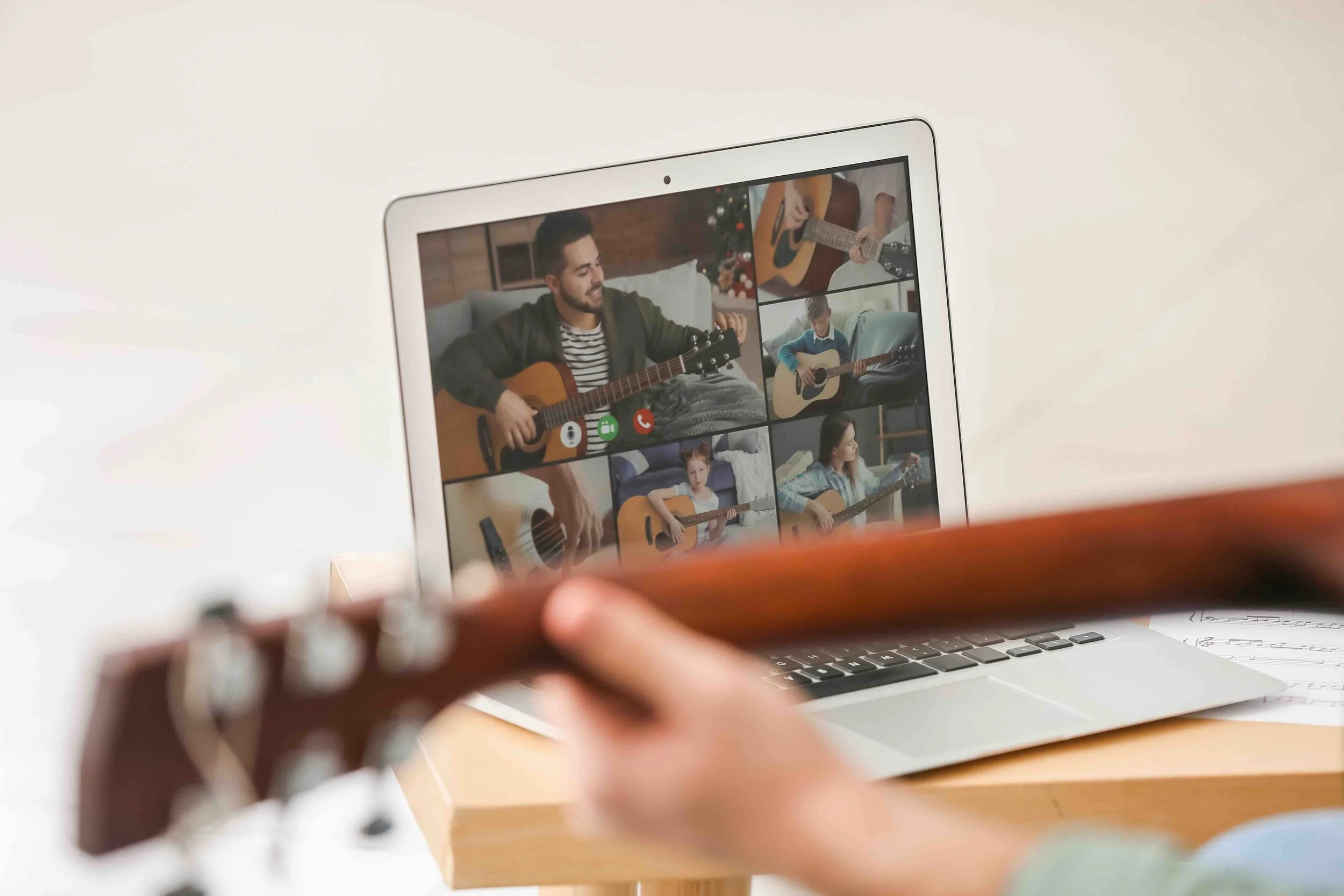
Photo by Pixel-shot | Adobe Stock
Why families choose it: Private lessons combined with ensemble opportunities and a strong community-based approach to music education.
5. Greenwich House Music School
Best for: Families seeking institution-level instruction with flexible in-person or online optionsInstruments: Piano, violin, viola, cello, guitar, voice, flute, clarinet, saxophone, brass, drums, harp
Since 1905, Greenwich House Music School has been providing high-quality, affordable music education to the people of New York City, operating from its location at 46 Barrow Street in historic Greenwich Village. That kind of history means a distinguished faculty and a deep commitment to getting instruction right.
Weekly private lessons are offered both in person and online for a wide range of instruments, and children as young as four may enroll in Suzuki training for guitar.
The school also rewards commitment from families. Students enrolling in two courses of private instruction receive a 10% discount on the second course, and families enrolling more than one student receive a 10% discount for each additional student.
For parents who want their child to learn from faculty at a long-established, community-rooted institution, rather than an individual tutor they found online, GHMS carries a credibility that's hard to match.
Why families choose it: A century of NYC music education, flexible online options, and multi-student family discounts.

Photo by itchaznong | Adobe Stock
How to choose the right music school for your family
Choosing a music school for your family is not only about finding the closest piano teacher or the most affordable monthly package. The right music school should fit your child’s personality, your family’s schedule, your long-term goals, and the kind of learning environment that will keep music enjoyable rather than stressful.
For some families, that may mean a traditional studio with recitals and exams. For others, it may mean in-home lessons, online flexibility, or a school that can support multiple children learning different instruments at once. Before committing, here are the key things to look for.
1. Start with your family’s real schedule
A good music school should make lessons easier to sustain, not harder. Before comparing programs, look honestly at your family’s week. Can you realistically drive across town after school? Would an in-home model work better? Do you need evening or weekend availability? Would online lessons help during busy seasons, travel, or school breaks?
Consistency matters more than intensity. A slightly more flexible lesson setup that your child can attend every week will usually be more effective than a prestigious program that becomes difficult to maintain.
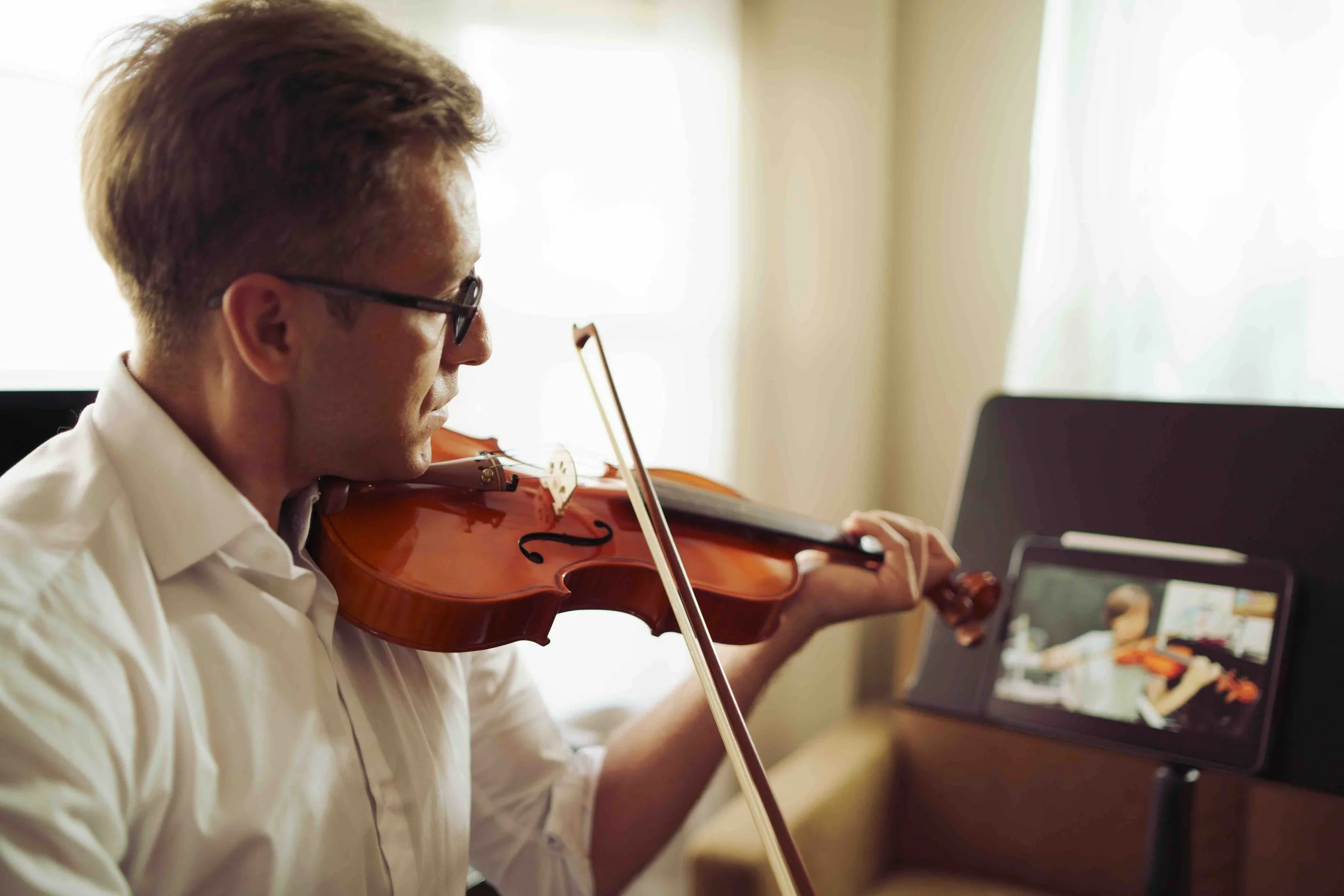
Photo by ztony1971 | Adobe Stock
2. Look closely at the teachers, not just the school name
The teacher is often the biggest factor in whether a student sticks with music. A strong music school should be transparent about how it selects instructors, what their qualifications are, and how they match teachers with students.
Look for teachers who understand both technique and personality. A beginner needs patience and encouragement. A more advanced student may need structure, performance preparation, or help with music theory. The best schools do not treat every student the same; they match instruction to the learner.
3. Ask how lessons are customized
A family-friendly music school should be able to adapt lessons by age, skill level, instrument, and goal. A five-year-old trying violin for the first time will need a very different approach from a teen preparing for a school performance or an adult returning to guitar after years away.
Ask whether the school offers a fixed curriculum or a personalized plan. A structured foundation is helpful, but lessons should still leave room for the student’s interests, pace, and confidence level.
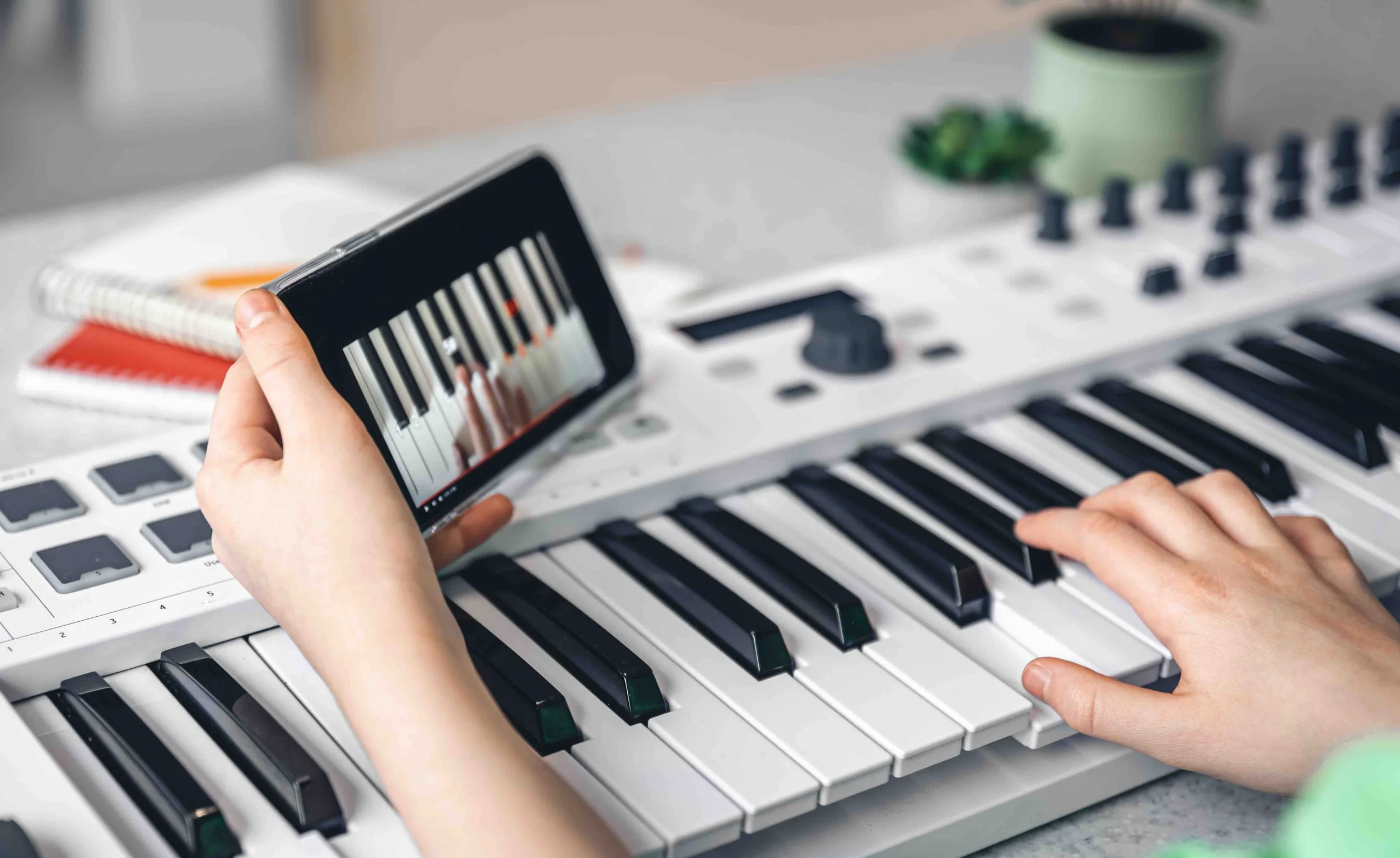
Photo by puhimec | Adobe Stock
4. Consider whether the school can grow with your child
Children’s interests change. A child may start with piano, become curious about voice, switch to drums, or want to add guitar later. Choosing a school with multiple instruments can make that transition easier.
This is especially useful for families with more than one child. A school that offers piano, guitar, voice, violin, drums, flute, cello, saxophone, and other instruments can simplify scheduling and keep everything under one trusted system.
5. Check the lesson format: in-home, studio, or online
There is no single best format for every family. The best choice depends on your lifestyle and your child’s learning style.
Studio lessons can be great for students who enjoy a more traditional music-school environment. In-home lessons are helpful for families who want convenience, comfort, and less travel time. Online lessons can work well for consistent instruction when location, commute, or travel would otherwise get in the way.
For example, a school like Music To Your Home stands out because it gives families both in-home and online options. NYC families can book private lessons at home, while students outside New York can access the same teacher-led model through live online lessons.
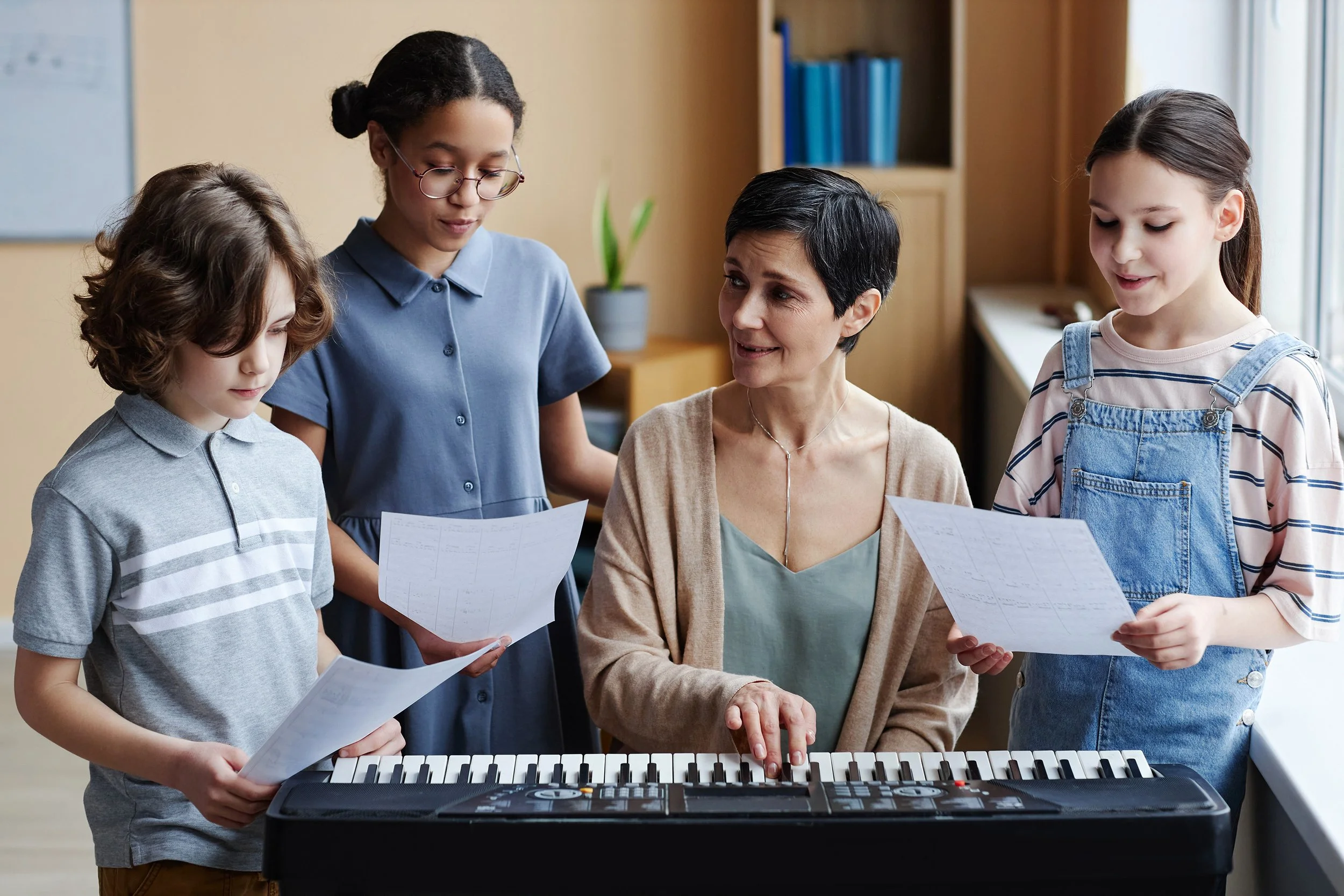
Photo by Seventyfour | Adobe Stock
6. Pay attention to communication and customer service
A music school may have excellent teachers, but if scheduling is difficult or communication is slow, the experience can quickly become frustrating. Families should look for responsive support, clear policies, and help with teacher matching.
This matters most for busy households. If a lesson time needs to change, a new sibling wants to start, or a student is not clicking with a teacher, the school should be easy to reach and willing to help.
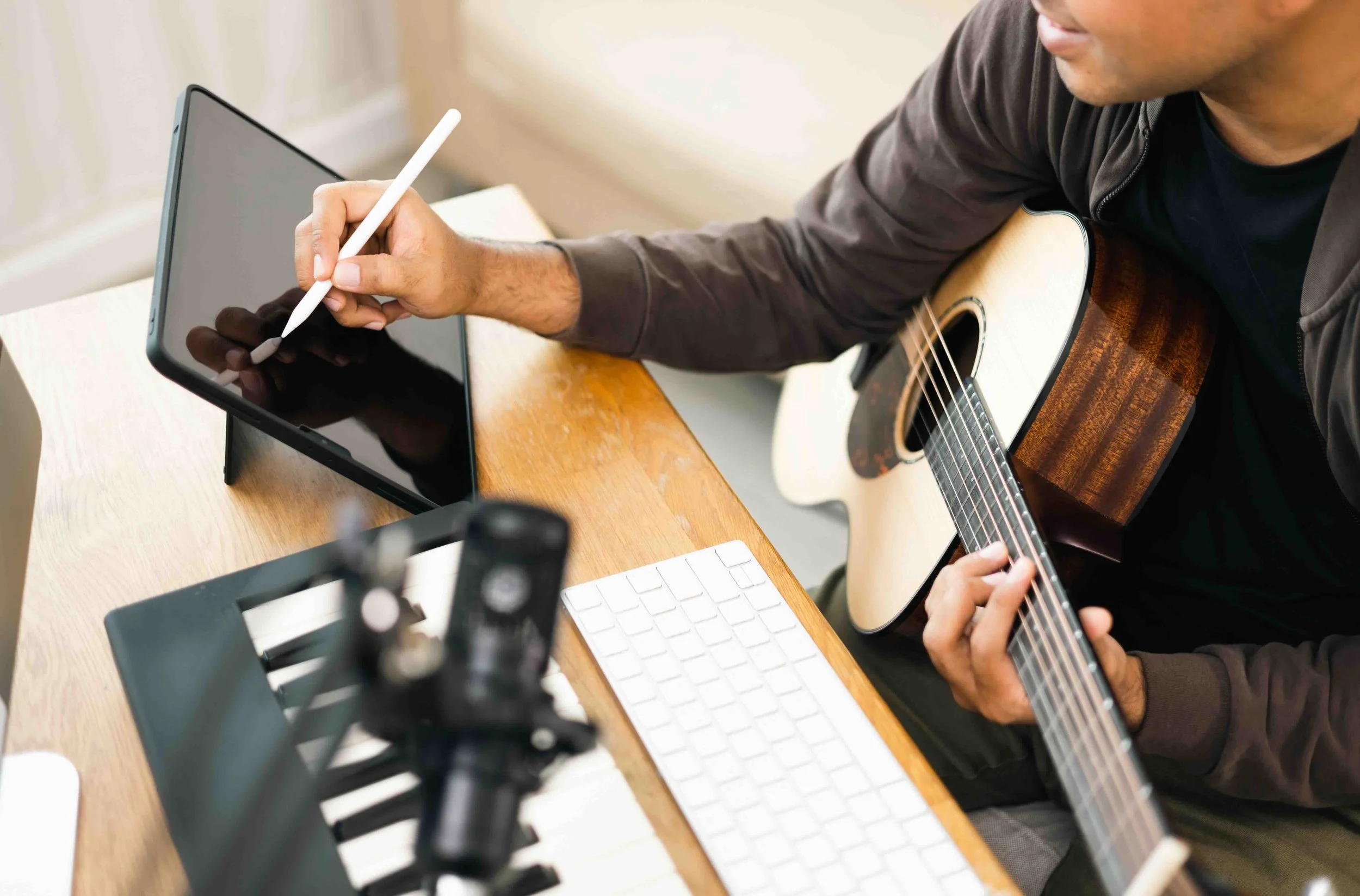
Photo by Chanakon | Adobe Stock
7. Ask about safety and professionalism
For in-home lessons especially, families should ask how instructors are screened. Background checks, reference checks, interviews, and professional teaching standards are important. A credible music school should be able to explain its vetting process clearly.
Professionalism also includes punctuality, preparation, communication, and respect for the family’s home environment. The right instructor should make lessons feel comfortable, safe, and organized.
8. Think beyond recitals and trophies
Performances, exams, and recitals can be valuable, but they should not be the only measure of success. For many families, the goal is confidence, discipline, creativity, emotional expression, or simply giving a child a meaningful lifelong skill.
A good music school should support both serious students and casual learners. Not every child needs to become a performer. Some simply need a teacher who helps them enjoy music enough to keep going.
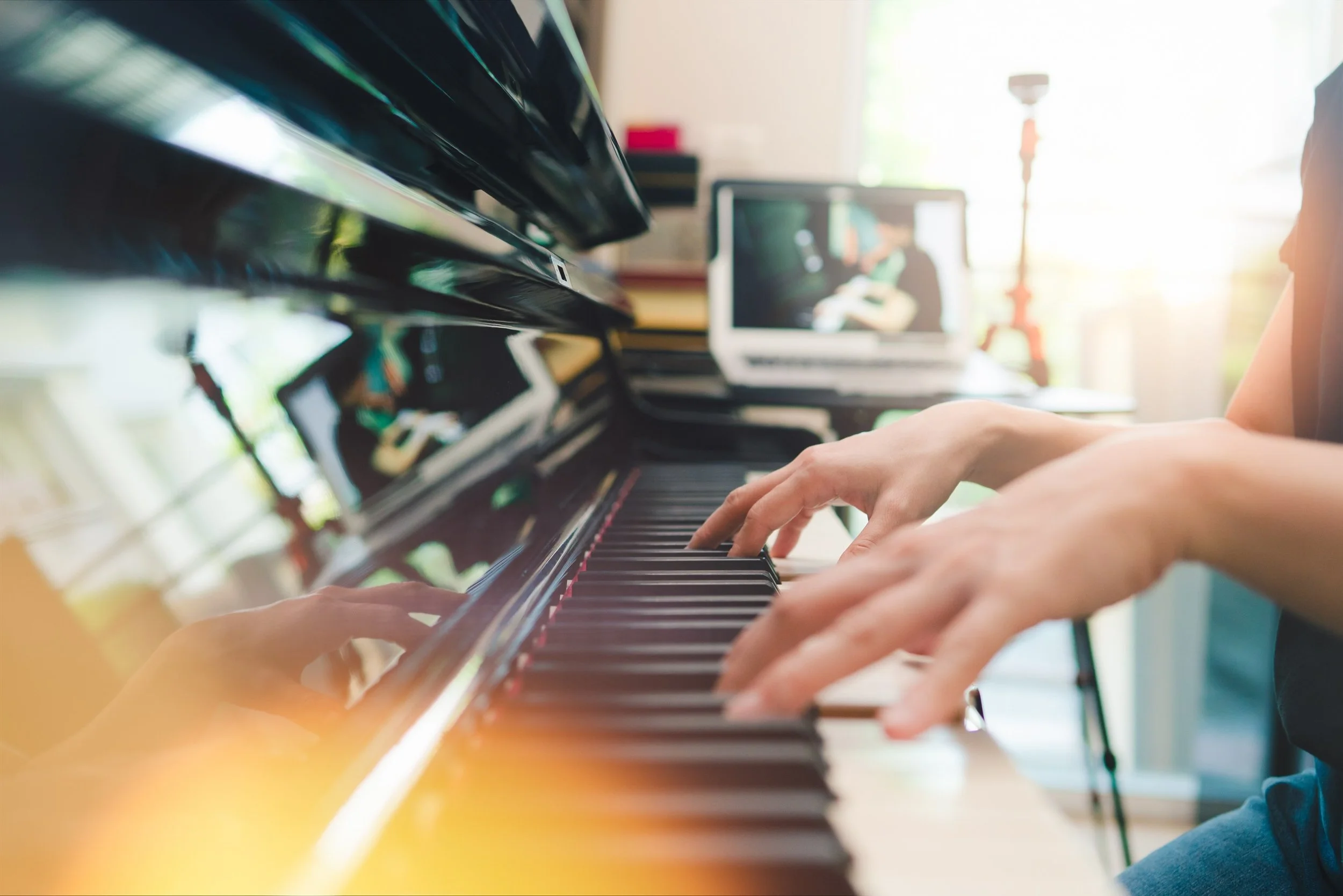
Photo by ztony1971 | Adobe Stock
9. Read reviews with the right lens
Reviews can be useful, but look for specific details. Do families mention patient teachers? Easy scheduling? Progress over time? Good communication? A positive experience for beginners? Flexibility for different ages?
Generic praise is less helpful than reviews that describe the school’s teaching style, responsiveness, and ability to match students well.
10. Choose the school that your child will actually enjoy
The best music school is the one your family can stick with and your child looks forward to attending. Credentials matter. Structure matters. But so does the feeling your child has after the lesson.
Do they feel encouraged? Do they want to practice? Are they excited to show you something new? That is often the clearest sign that you have found the right fit.
Final Thoughts
Ultimately, finding a music school is really about choosing the right learning relationship. Look for strong teachers, flexible formats, clear communication, safe practices, and a personalized approach that fits your family’s real life.
Published by KBR on June 1, 2026