
By Contagion Media
Alternative artists are reshaping album production by combining sounds, roles and recording methods that once belonged to separate musical worlds. Affordable software and home studios have widened access, but technology tells only part of the story. Many artists now treat genre, collaboration and audio texture as flexible creative choices. The result is a body of independent music that can feel personal and carefully designed without sounding overly polished.
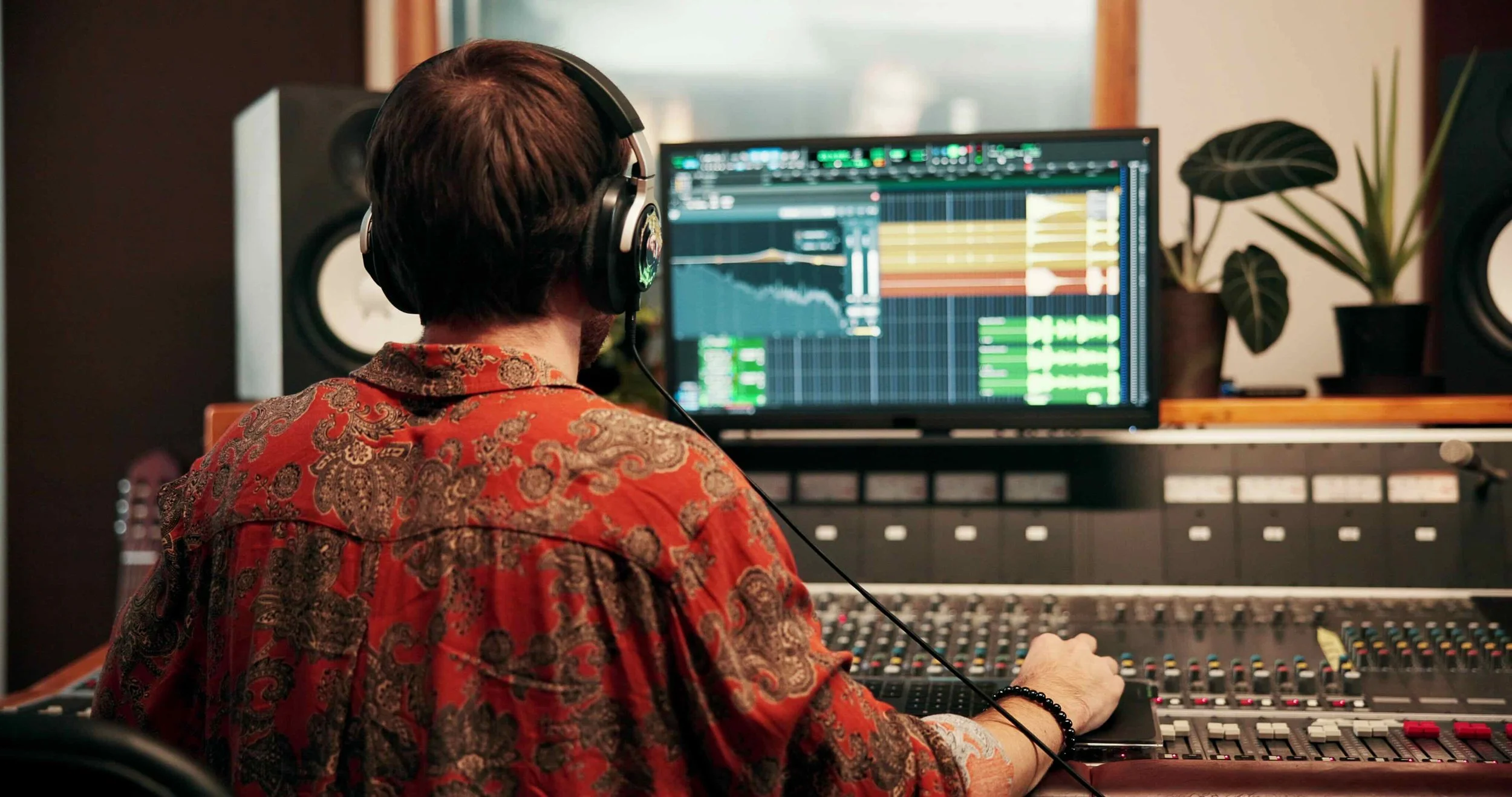
Photo by peopleimages.com | Adobe Stock
Blurring Lines Between Punk and Synth
Punk and synthesizer-based music developed distinct identities, yet their shared do-it-yourself spirit makes them natural partners. A driving bass line, direct vocal and distorted guitar can sit beside programmed drums or a pulsing analog synth without either side losing its character. Artists might record a live rhythm section first, then add electronic sequences that create movement between verses.
Digital platforms have also changed how listeners encounter these combinations. Academic work on genre identity in streaming examines how services organize musical differences, an issue that matters when an album crosses familiar categories.
If you’re combining styles, choose two or three recurring elements to anchor the record. The same drum sound, vocal treatment or synthesizer can connect songs that otherwise move between loud guitar passages and sparse electronic arrangements. That continuity lets experimentation feel intentional.
Photo by kocreated | Adobe Stock
The Solo Artist Versus the Full Band
A solo artist has direct control over songwriting, recording and revisions. One person can change a bass part at midnight or rebuild an arrangement without scheduling a rehearsal. That freedom often produces highly personal albums, though it can also make it harder to recognize when a song needs fewer layers.

Photo by ifeelstock | Adobe Stock
Full bands bring different strengths. A drummer may react to a vocal phrase in a way that no programmed beat anticipates, while a guitarist can introduce a chord voicing that changes the emotional direction of a chorus. The friction of several opinions can sharpen an arrangement when everyone understands the song’s purpose.
Many alternative projects now use a hybrid model. One musician develops demos, then invites collaborators to replace selected parts or add new textures. Exploring how other musicians approach making music across bass, synths, piano and guitar can help you consider which roles to handle yourself and where another player’s instincts might improve the track. Set clear expectations about credits, deadlines and final decisions before recording begins.
Modern Approaches to Making Music
A current album may pass through several modest recording spaces instead of one large studio. Vocals can be captured in a treated bedroom, drums recorded during a one-day studio booking and synthesizers tracked directly into a laptop. Cloud storage then allows a mixer in another city to assemble the sessions.

Photo by F#ck yeah! Go you! | Adobe Stock
This method keeps costs manageable, but organization becomes part of the creative process. Use one sample rate across the project, label every file with the song title and instrument and export audio from the same starting point. A folder called “final” quickly becomes confusing once it contains six different mixes.
Production choices now overlap with release strategy as well. Coverage of the independent music business shows how artists are reconsidering ownership, distribution and sustainable careers. Before recording ten songs, estimate expenses for mixing, mastering, artwork and promotion. A focused six-song release with a consistent sound may serve an independent artist better than an unfinished full-length project.
Finding Charm in Imperfect Audio
Technical flaws sometimes become defining features. A vocal recorded close to the microphone may include breaths that increase intimacy. Slight timing differences between doubled guitars can make a chorus feel wider, while the mechanical noise of an older keyboard may add a recognizable texture.
Keep imperfections that support the song’s mood, then fix the ones that distract from it. A slightly rough vocal can communicate urgency, but clipping that hurts the listener’s ears needs attention. Room sound may give drums energy, though an obvious hum across a quiet introduction will pull focus away from the performance.
A useful test is to listen at low volume without watching the recording software. If the emotion remains clear and no single flaw demands attention, the take may already work. Save an untouched version before editing so you can compare it with the cleaned track. Endless correction often removes the small timing and tonal details that made the performance distinctive in the first place.
Photo by ifeelstock | Adobe Stock
Building a Cohesive Catalog Over Time
Cohesion develops through repeated choices, not identical production. An artist may move from guitar-heavy songs to electronic arrangements while keeping a recognizable vocal style, lyrical perspective or approach to rhythm. Listeners often connect those recurring details across releases even when the instruments change.
Create a short production record after finishing each project. Note the microphones, software instruments, tunings and mix references that shaped the album. Include what worked and what caused delays. Those notes provide a practical starting point for the next release without forcing you to repeat the same formula.
Catalog planning also benefits from boundaries. Decide which experiments belong on the main album and which might work better as singles, remixes or side projects. This gives unusual ideas somewhere to live while protecting the album’s pacing.
Over several releases, the most compelling thread may be an artist’s willingness to change while preserving a few musical fingerprints. A familiar bass tone, close vocal or restless synth pattern can become the detail that tells listeners whose record they’ve found within seconds.
Published by KBR on November 23, 2026