
The Evolution of Jazz in Modern Entertainment Spaces
By Lydia Nash
Although jazz is always evolving, a defining sound about Jazz is its timeless sound. These days, its everywhere, not only in vintage clubs but also in art galleries and rooftop bars; it even turns up in surprising performances where music and art collide.
The music has adapted to the present while holding onto its roots. What started as a simple, shared experience has become a creative language that mixes history with invention. Jazz now shapes ordinary moments and transforms nights, making spaces feel fresh yet timeless. Its evolution is most clear when people stop and truly listen.
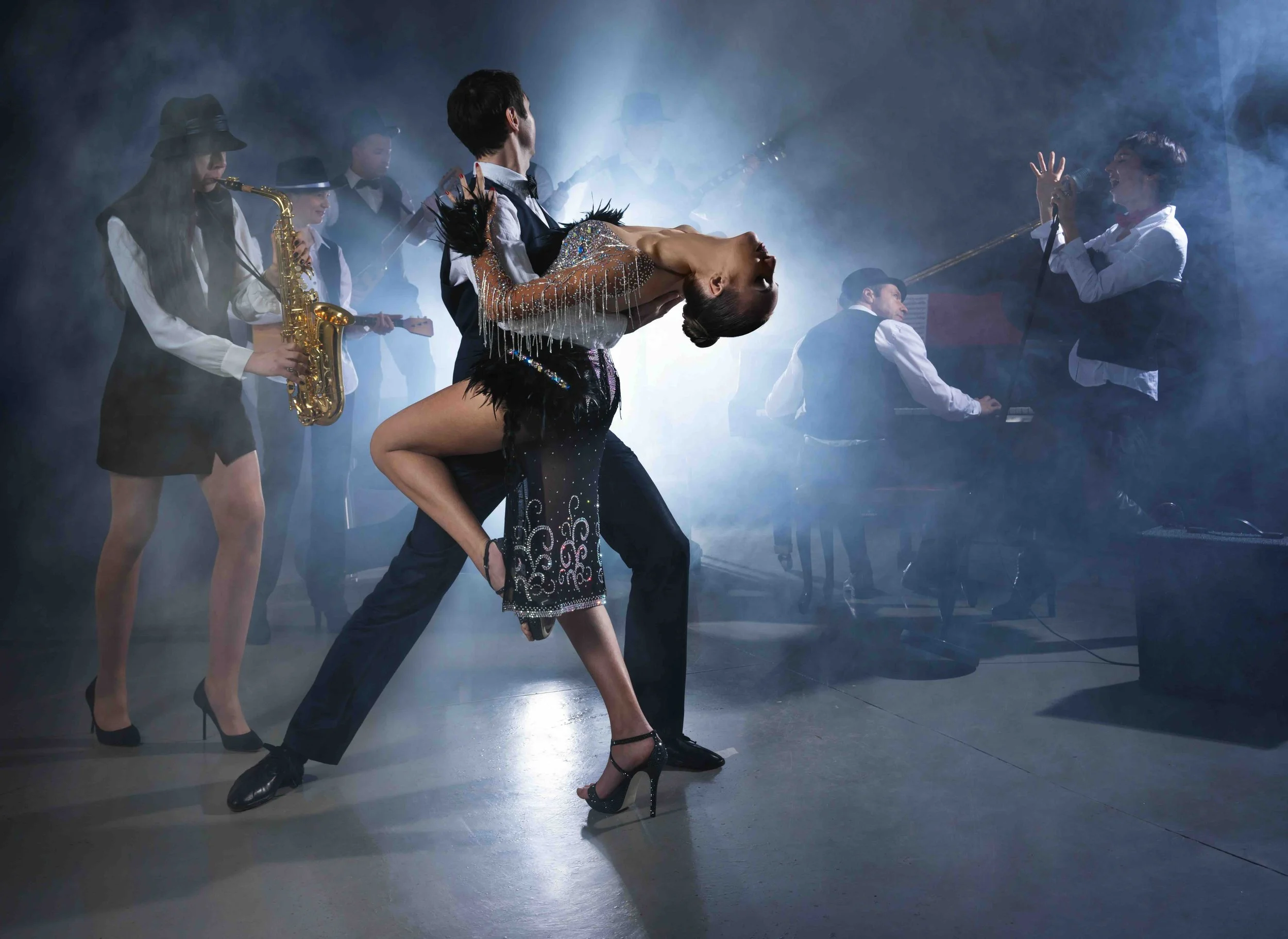
Photo by razoomanetu | Adobe Stock
The Roots of Jazz: A Story of Innovation and Identity
Looking ahead means remembering the beginning. New Orleans, a metropolis teeming with movement and song in the early 1900s, was the birthplace of jazz. A fresh and potent sound was created by combining European influences with African drums. It took points from blues traditions and call-and-response.
Jazz gave many people a voice when words were insufficient. The music became a means of being heard in a society that frequently disregarded them. Bessie Smith and Louis Armstrong were musicians known for pushing melodies to their limits. Their performances were driven by improvisation, which meant each show was a unique conversation influenced by the musicians and the setting. Since the lives of the composers were unpredictable, no two performances were the same.
Jazz changed when it moved north to New York and Chicago. It picked up the energy of city evenings, adapting the bite of small combos and the swagger of large bands. That willingness to evolve without losing its character is why the genre still feels honest and necessary in modern entertainment spaces.
Jazz Meets Modernity: Spaces Reimagined
Step into a contemporary venue and you might find jazz living in forms that would surprise its earliest pioneers. Planners in cities like San Francisco often look to live music for any occasion. When they want the warmth of a genuine ensemble that can transition from a cocktail hour to a late set without losing touch with the audience, jazz was the choice. Immersion environments that blur the boundaries between installation and concert host some of the most fascinating musical experiments.

Photo by master1305 | Adobe Stock
Art galleries host live sessions during openings, and audiences drift between canvases while a trio sketches soft edges in sound. Boutique hotels recast their lobbies as listening rooms where small groups gather close and the house lights dip to a hush. Even conferences bring in rhythm sections to change the room’s energy and spark conversation that lingers after the microphones switch off.
A drummer may convert improvisation into a collaborative design by triggering lights that follow each accent, while a saxophonist could play solo as responsive visuals ripple throughout the walls. The return to intimacy is at the other extreme of the spectrum. Small lines, cautious dynamics, and the kind of patient, giving listening that allows a space to breathe are all preferred at speakeasy-style clubs and rooftop bars.
The flexibility of the music is what makes it all work. Jazz develops its own tone. It bends without breaking and gives listeners moments that feel alive.
The Role of Jazz in Shaping Atmosphere and Emotion
You are aware of how it lingers after the final chord fades if you have ever attended an evening of live jazz. Like a tide, a trumpet line rises and falls. A bass figure steadies a room. The music does not just fill space. It changes the temperature, shifts the pace, and gives people space to inhabit time together.
Soft brushed drum patterns can turn a busy lounge into a place where voices soften and attention widens. Without overpowering the occasion, a vibrant horn section can provide energy to a wedding. A fundraiser or product launch can benefit from jazz. The music is effective in real time because it often uses improvisation. It listens back and truly adjusts, and chooses a new path that fits the energy of the audience.
That quality is why so many curators and venue managers keep returning to the genre. They are not booking music. They are inviting a conversation that exists in that room that night. People remember how it felt, which is the point. In a culture that is saturated with playlists, a live group restores presence, and presence is the thing we keep trying to build in modern entertainment spaces.
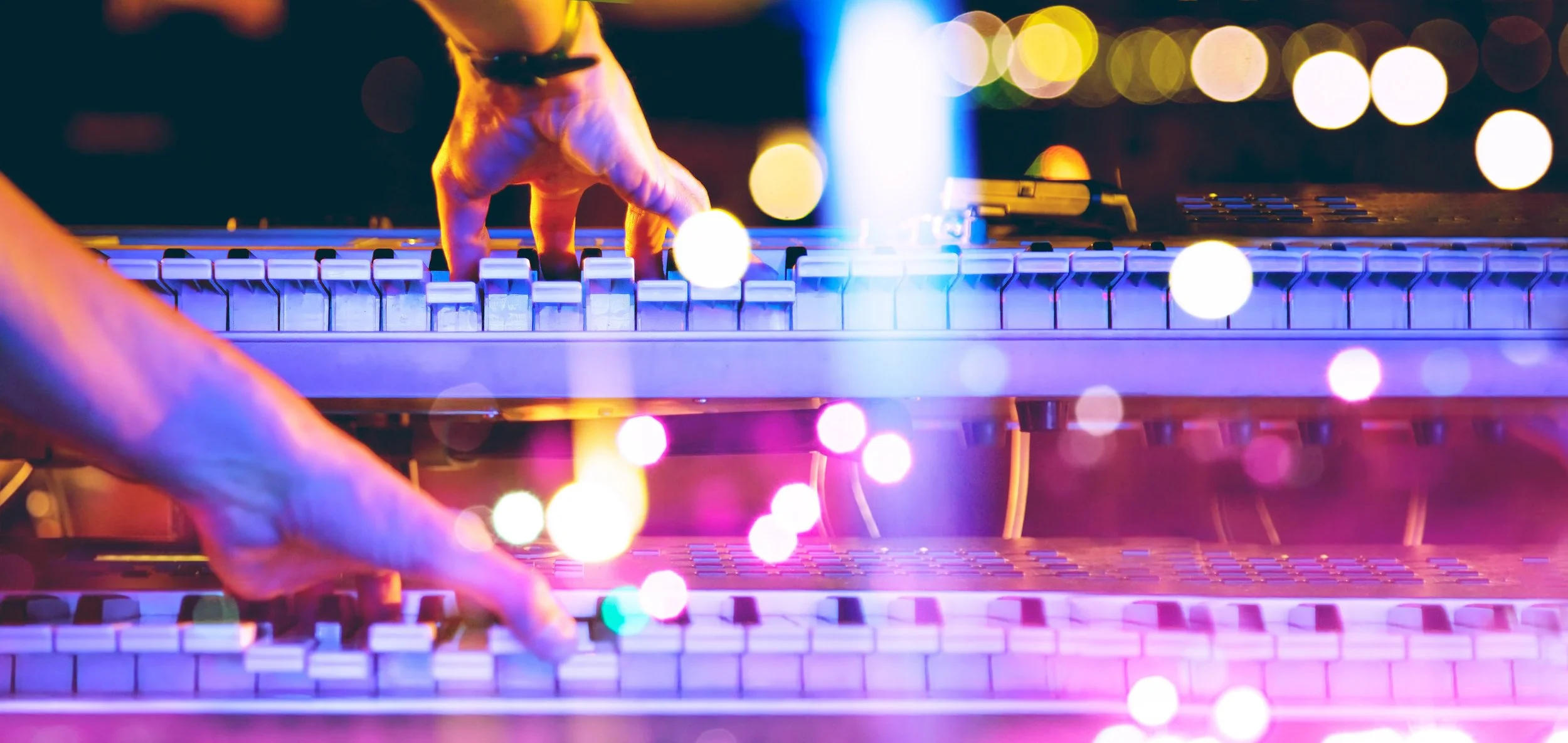
Photo by C.Castilla | Adobe Stock
Fusion and Collaboration: Jazz in Conversation with Other Arts
One of the most interesting shifts today is the way jazz keeps collaborating across forms, expanding the potential of music itself. Hip hop producers sample classic records to anchor new tracks with history. Electronic artists invite horn players and pianists to improvise over loops, then fold those takes into evolving soundscapes.
None of this dilutes the tradition. It widens it. Visual artists stage live painting beside quartets so brushstrokes and melodies can grow together. Curators use site specific performances to let audiences explore a museum wing while the music threads visitors from room to room.
Fashion houses pace runway walks to swing, bounce, or ballads, shaping the way fabric moves and how people read a collection. Film and television draw on ensemble cues to place a scene, build tension, or suggest interior life without a line of dialogue.
What runs through these collaborations is a sense of respect. The players bring the listening that jazz teaches, and the partners bring their own craft. The result is not a crossover gimmick. It is a working method that invites risk, rewards attention, and keeps the art lively.
The Future of Jazz in Entertainment Spaces
If the last century is any guide, reinvention will remain part of jazz. Entertainment spaces will keep shifting, and the music will keep finding its place. We are likely to see rooms where sound interacts with light and motion, and tools that let performers map visuals to phrasing on the fly. Technology will expand the frame, but the center stays human, because the spark comes from listening and responding. Global influences will continue to shape the language as players draw on Afrobeat, Latin rhythms, and Asian modes, building hybrids that feel rooted and new at once, but none of this changes the heart of it.
Above all, Jazz asks people to meet in the moment. When days speed up and attention feels thin, presence is what audiences crave. A live group brings presence, and presence turns a venue into a place and moment you remember, sometimes impacting you forever. Although many genres are powerful, Jazz ultimately stands out because of its ability to build deep connection and compassion between people.
Edited by KBR on October 22, 2025