
How to Shoot Editorial Photography That Actually Gets Published
By KBR
The no-fluff guide for how to shoot photography that gets published by magazines, curated specifically for photographers and brands.
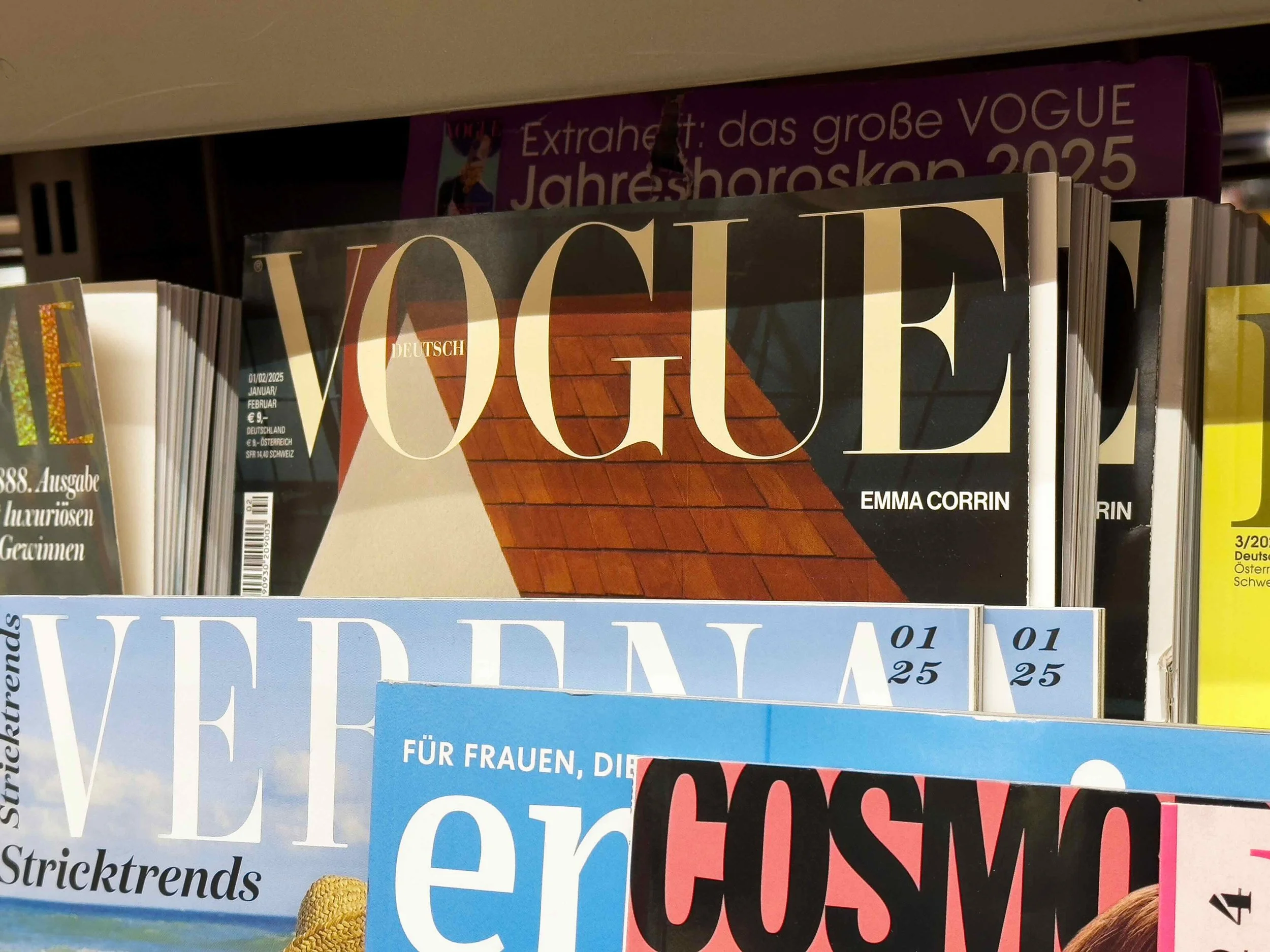
Photo by HelgaQ | Adobe Stock
There’s a quiet truth about editorial photography that most people don’t say out loud: It is not about having the best camera, the biggest team, or even the most “creative” idea. It is about understanding what publications actually need and executing it with intention.
That’s why you’ll see low-budget shoots get published while high-budget ones collect dust on hard drives. If you’re a photographer or brand trying to break into editorials without blowing your budget, this guide will show you how to shoot with purpose, not guesswork.
What Magazines Actually Look For (And Why Most Shoots Miss)
Before we get tactical, you need to shift one mindset: You are not shooting for yourself. You are shooting for a publication’s audience, identity, and layout needs.
Editors aren’t asking: Is this cool? Or is this creative? They’re asking:
Can this fill a spread?
Does this match our visual language?
Will this keep readers engaged page after page?
Most editorials fail because they feel like random photos instead of stories designed for print or digital layout.
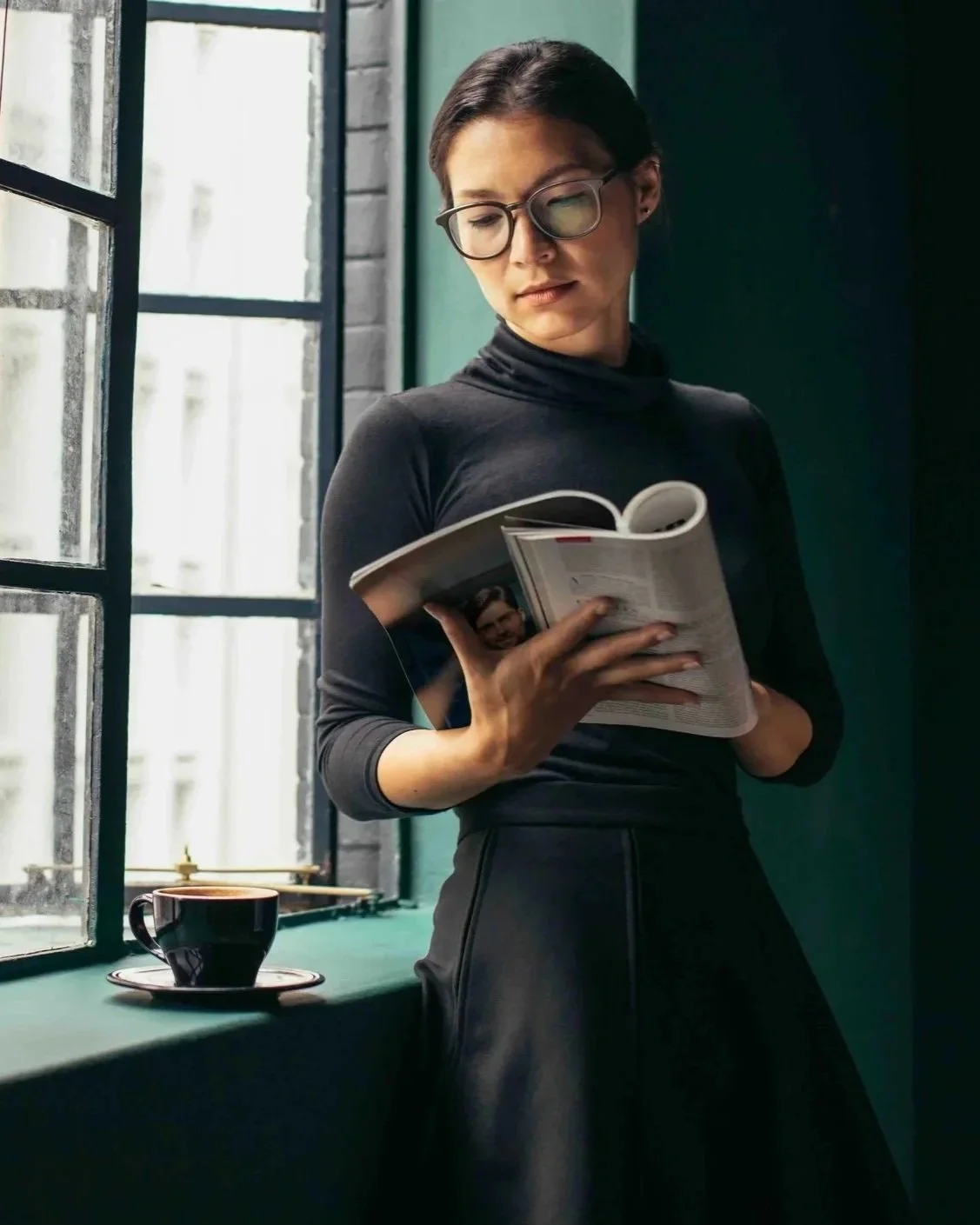
Photo by Jacob Lund | Adobe Stock
Step 1: Build the Concept Like a Creative Director (Not Just a Photographer)
If your concept is simply “a model in a cool outfit,” it’s already over. Strong editorials are built on:
A clear theme (ex: “desert minimalism,” “grunge luxury,” “retro futurism”)
A narrative progression (beginning → middle → end)
A visual consistency that carries across every frame
Ask Yourself:
What’s the world of this shoot?
What’s the emotion?
Why would someone scroll or turn the page?
Low-budget advantage: Limitations force stronger concepts. A tight idea beats expensive chaos every time.
Step 2: Shoot for Layout, Not Just Instagram
This is where most photographers lose publication opportunities. Magazines need:
Vertical AND horizontal images (8.5 x 11” and 11” x 17”)
Negative space for text
Consistent framing across a series
Wide, medium, and detail shots
If every image is a tight, centered portrait, it is unusable for editorial design.
Pro Tip:
Include a variety of angles, poses, and compositions. Include at least 1-2 wide shots (for opening spread), 2–6 mid shots (for storytelling and cover consideration) and 1–2 detail shots (hands, textures, accessories).
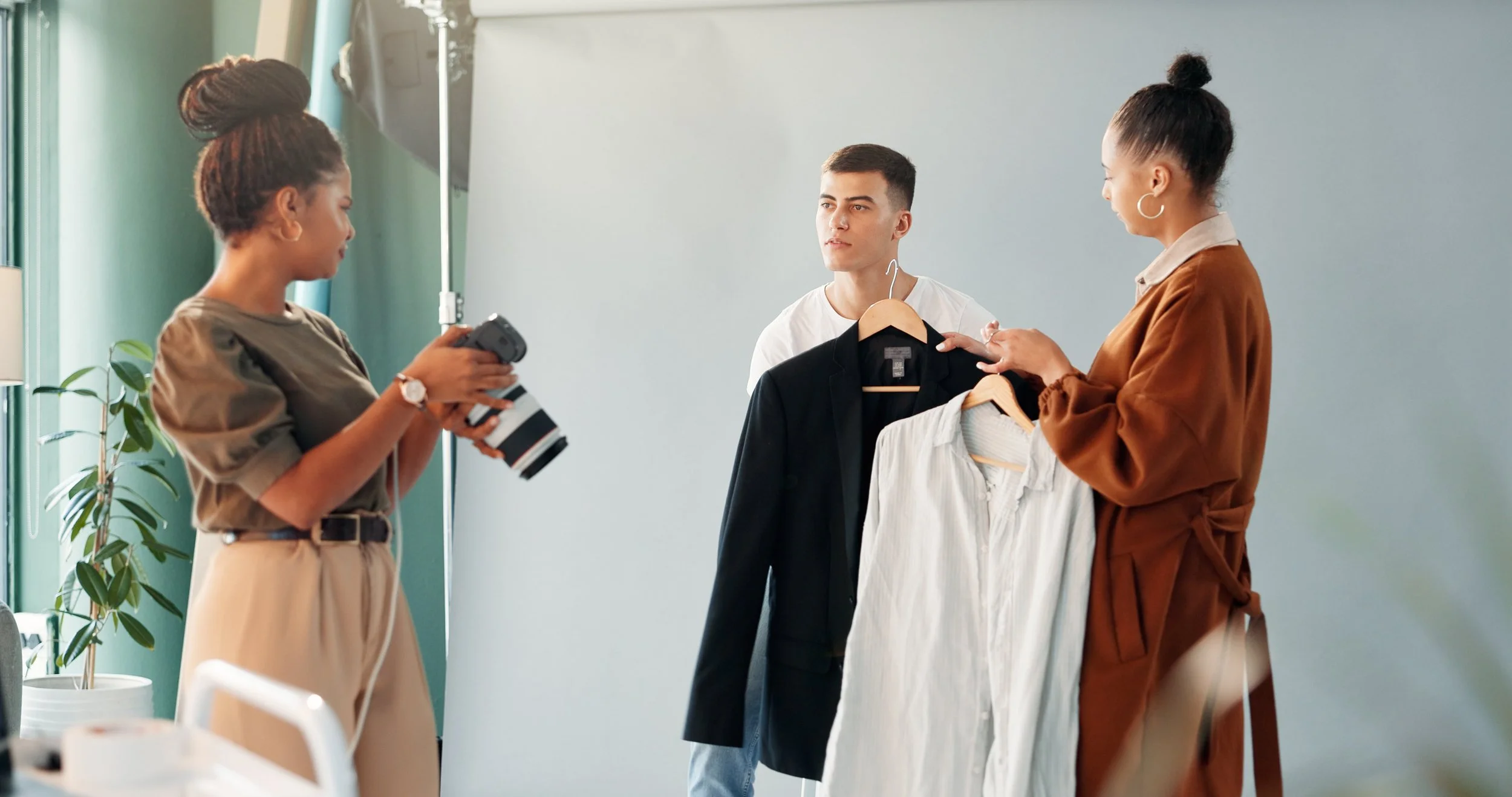
Photo by WesJVR/peopleimages.com | Adobe Stock
Now your shoot isn’t just aesthetic; it is a publishable story with intention and potential for placement.
Step 3: Style Like a Magazine, Not a Moodboard
A lot of shoots look like the Pinterest boards we’ve all seen before.
Editorial styling is different:
Outfits must feel intentional across the full story
Colors and textures should flow from look to look
Hair + makeup must evolve, not reset every shot
If your team is small:
Use 1–2 strong looks, not 6 weak ones
Focus on cohesion over variety
Consistency reads as “high fashion.” Randomness reads as “test shoot.”
Step 4: Work With the Right Team (Even on a Budget)
You don’t need a massive team, but you do need planning, alignment, and artists who see your vision.
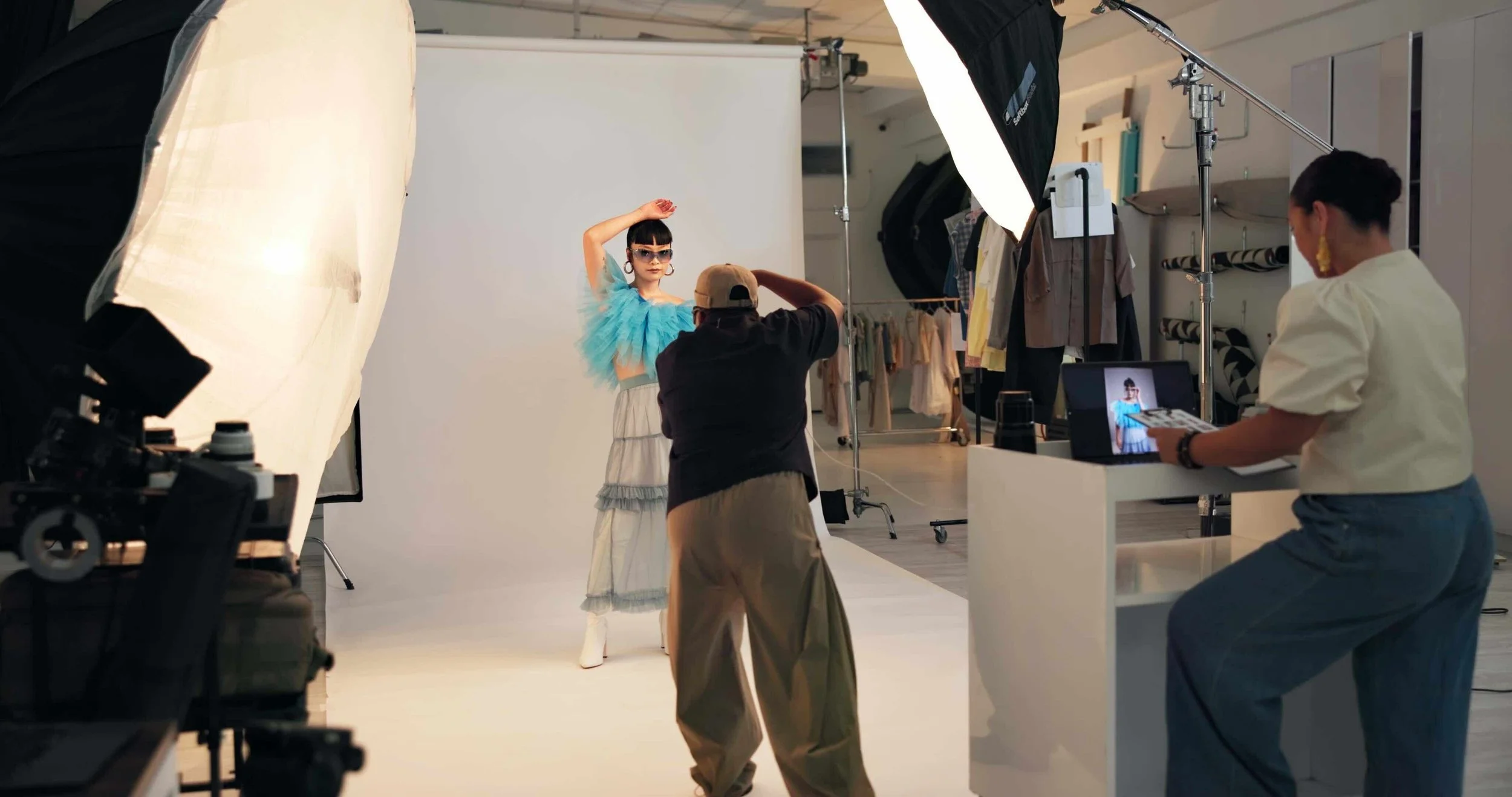
Photo by peopleimages.com | Adobe Stock
Key roles:
Stylist (Wardrobe, Set Design, etc.)
Hair & Makeup (optional but powerful and highly recommended)
Budget workaround:
Collaborate with emerging talent
Trade value: images, exposure, portfolio upgrades
Keep the team small but focused
The goal isn’t more people. The goal is having a strong team of people who understand the vision and have the skills for execution.
Step 5: Direct Like You’re Shooting a Campaign
Editorial ≠ random posing. You need to guide the energy, movement, and expression throughout the shoot and visuals. Find a good medium between free-flowing and organized for your workflow to ensure everything flows naturally but you still capture all needed shots.
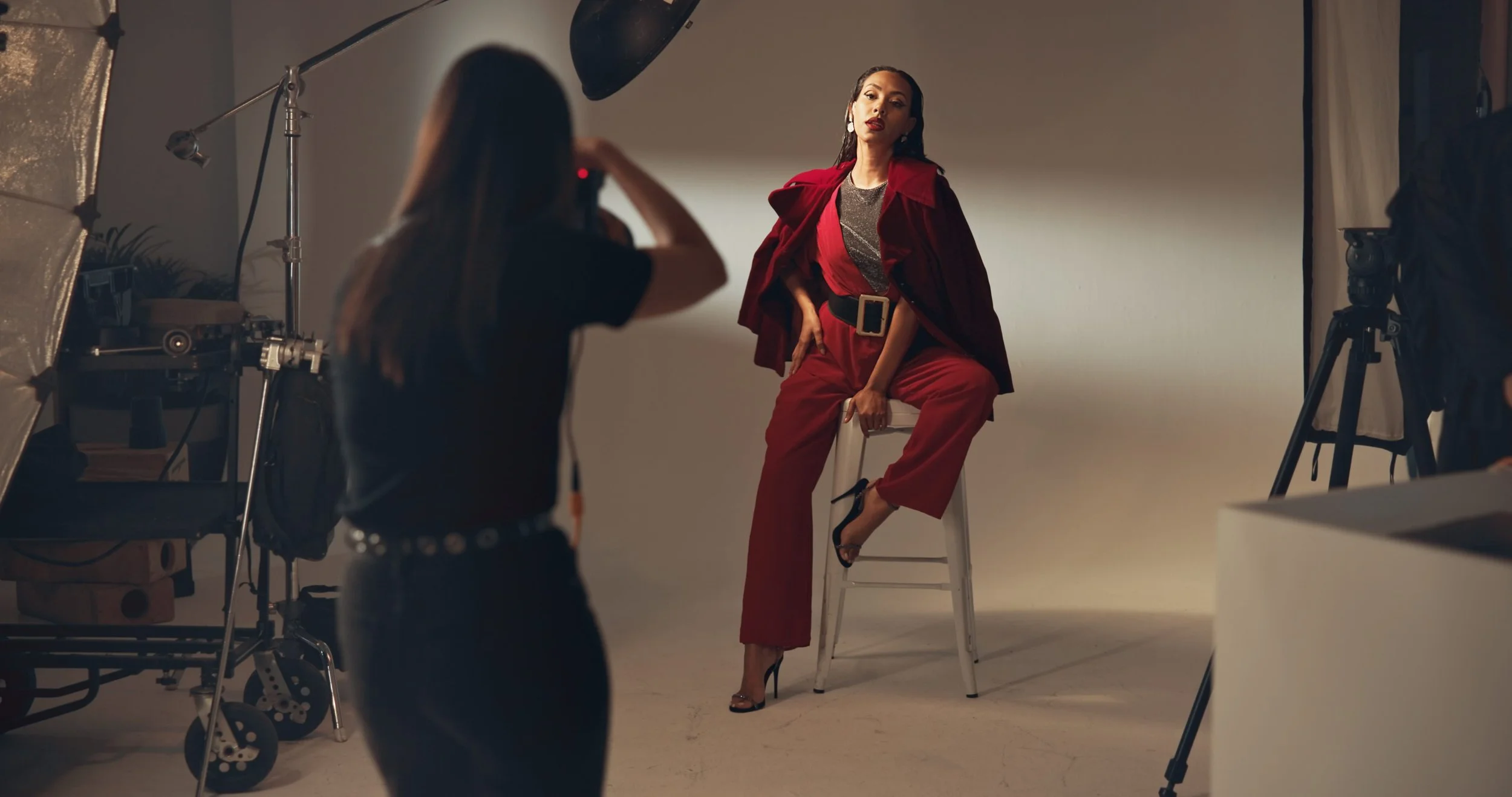
Photo by peopleimages.com | Adobe Stock
Be direct and use language that will convey the changes needed to capture the shots.
Instead of saying:
“Try something different”
Say:
“Slow it down—this is more controlled, more distant”
“Give me tension in your hands”
“Think less smile, more attitude”
Direction is what separates A shoot that looks good vs. A shoot that feels intentional. The better you get at directing talent, the more efficient you will be able to curate each shot to the story and vision instead of just hoping you got the right shot.
Step 6: Edit Like a Magazine (Not a Photographer)
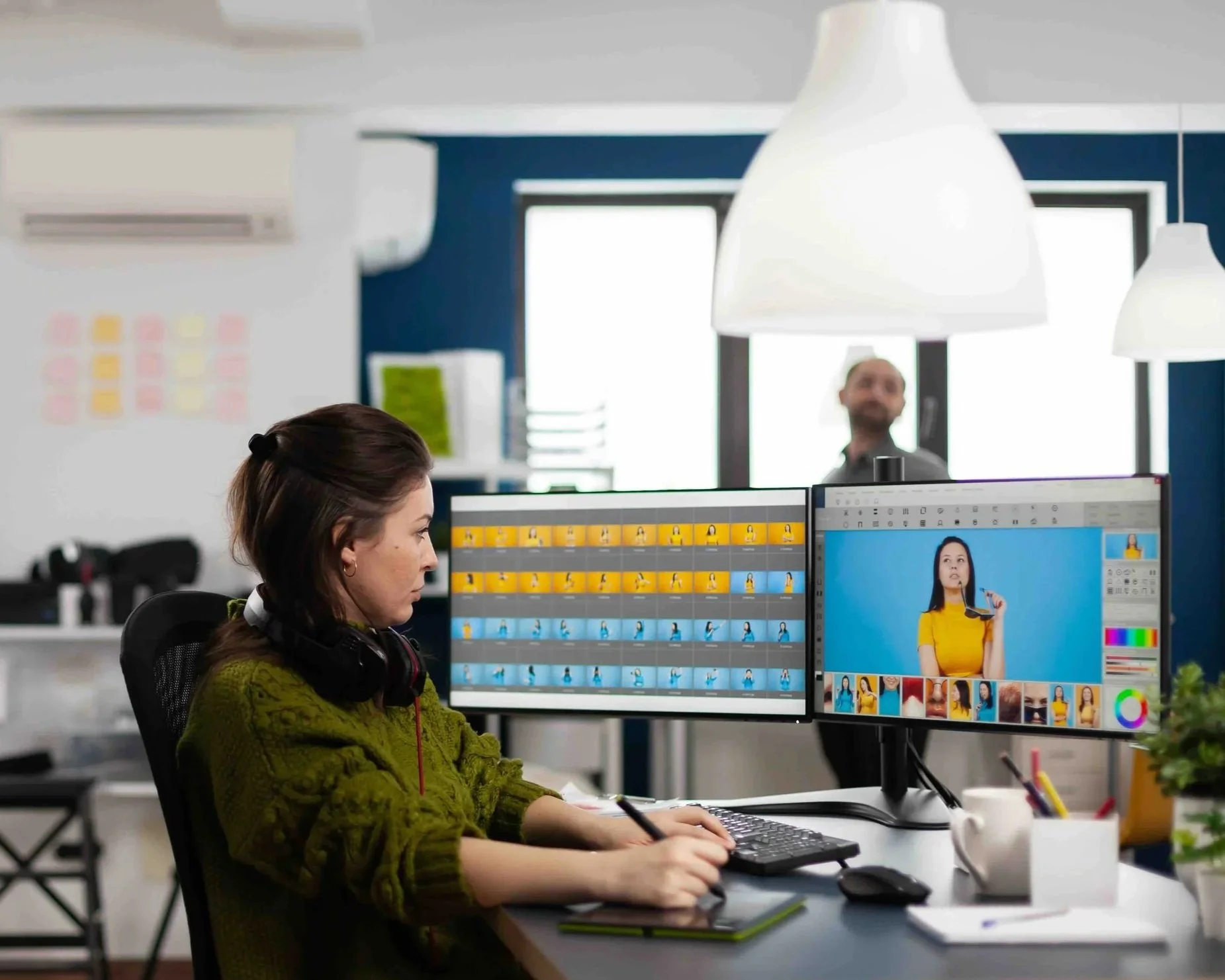
Photo by DC Studio | Adobe Stock
Over-editing kills submissions.
Editors want:
Natural skin tones
Cohesive color grading
Consistency across the series
Avoid:
Heavy presets that change per image
Extreme retouching
Inconsistent tones
Ask yourself, “Would this look clean across 6–10 pages?”If it’s not there yet, refine it. However, oftentimes less is more. It is important to remember that post-production will not fix a bad image. Choosing the most impactful and technically great shots before investing editing time is essential.
Step 7: Write an Artist Statement for Submissions
Often forgotten, it is important to include an artist statement about the project for magazine submissions. Because artist statements are the only chance you have to explain the intention behind the editorial, it is important to include any details that will give the publication more insight behind the project. Make sure to include an introduction, body, and conclusion.
Here are some ideas on what to include in your artist statement:
Artist Interviews
Quotes from the team about their experience working on the project
Quotes from the Creative Director on where the idea came from
Information about the team’s previous experience and their roles on the project
More information about the looks, location, or elements featured in the shoot
Without a strong artist statement, your editorial is less likely to be accepted. Publications sometimes receive thousands of submissions a day and will almost always choose a team who includes all elements required for an editorial.

Photo by THANANIT | Adobe Stock
Step 8: Submit Strategically (Not Randomly)
Don’t blast your editorial shoot to 50 different magazines.
Instead:
Research publications that match your aesthetic
Study their recent editorials
Match your submission to their style
Follow all submission guidelines
Smaller, niche magazines often:
Respond faster
Accept more submissions
Still give you real credibility
If you haven’t planned your editorial yet, consider researching publications before you get started on pre-production so you can curate for success.
Common Mistakes That Kill Editorial Submissions
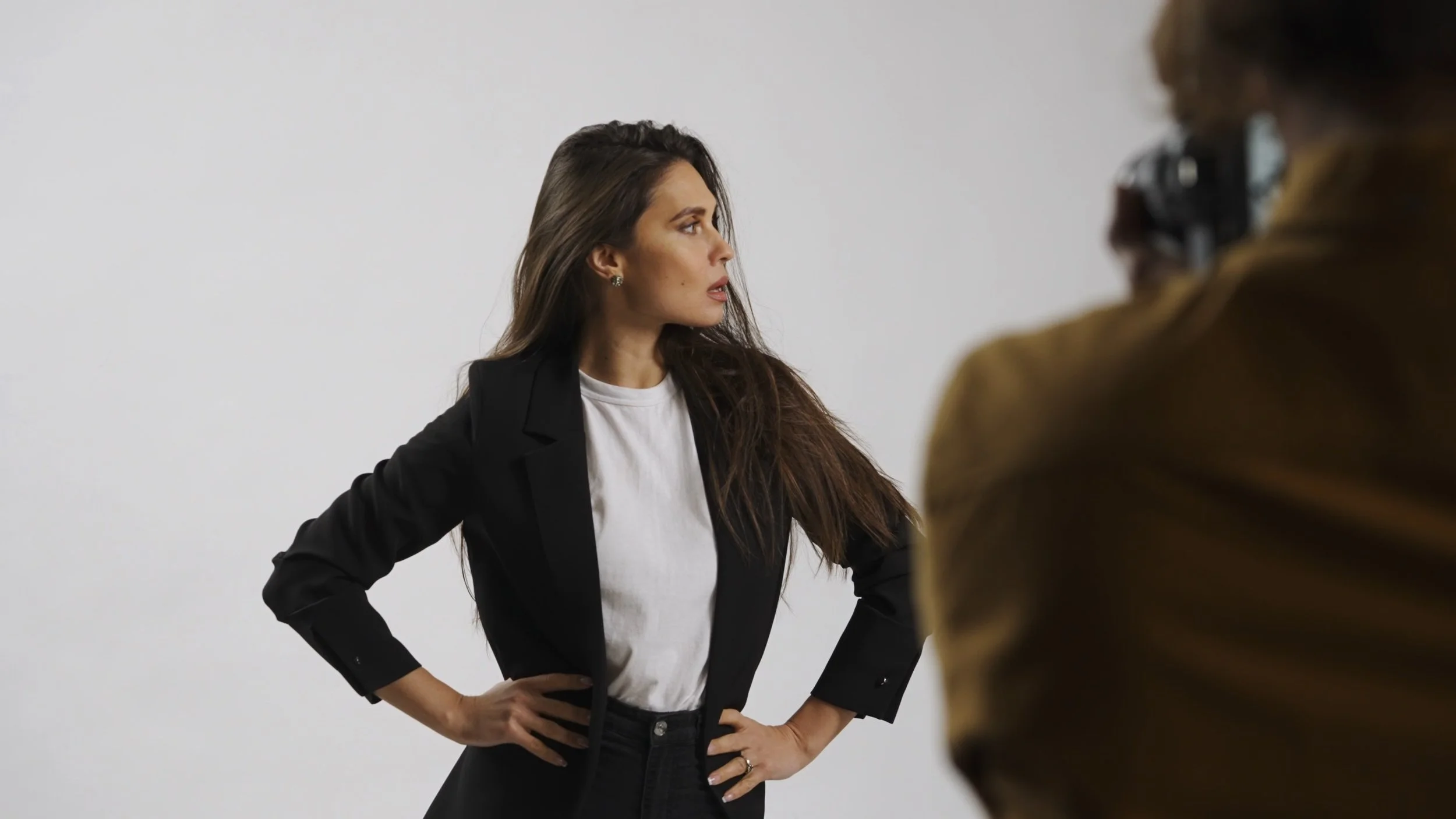
Photo by kinomaster | Adobe Stock
Shooting without a clear concept
No variation in framing, looks, or posing
Over-editing skin and tones
Styling that doesn’t connect across images
Submitting to the wrong publications
Treating the shoot like social content, not a story
Low quality images insufficient for printing
Editorial Shoot Checklist (Save This)
Before you shoot, make sure you have:
✔ Clear concept + theme
✔ Shot list (wide, mid, detail)
✔ Cohesive styling plan
✔ Aligned team with skills for execution
✔ Water, snacks, & drinks for your team
✔ Direction ideas for model
✔ Editing style defined
✔ Target magazines in mind
If you can check all of these, your chances of a successful shoot and getting your story published go way up.

Photo by Cultura Creative | Adobe Stock
FAQ: Editorial Photography
How do you get editorial photography published?
You need a strong concept, a cohesive image series, and photos that are usable for magazine layouts. Ensure high quality images and appropriate dimensions. Then submit to publications that match your style.
Do you need a big budget for editorial photography?
No. A clear concept, strong styling, and intentional shooting matter far more than budget. If needed, work with emerging talent building portfolios to decrease costs.
What makes an editorial shoot stand out?
Storytelling, consistency, and images designed for layout and story instead of just individual photos. Wardrobe styling, location scouting, makeup, and hair are crucial for creating a uniqur aesthetic.
How many photos should an editorial have?
Typically 6–12 strong, cohesive images that work together as a series but also include wide variety.
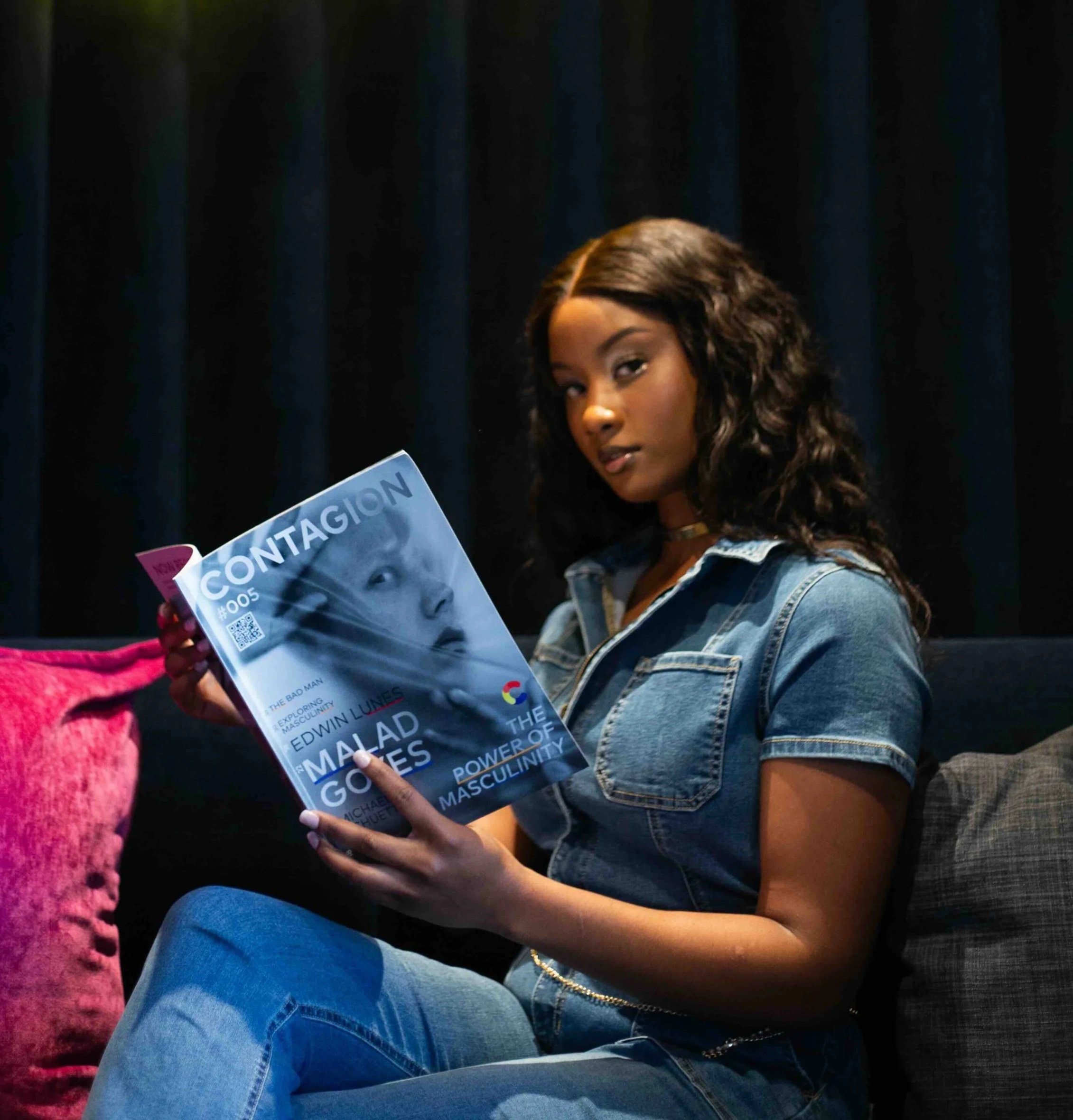
Modeling by La Unica, Photo by KBR | Contagion Media
If You Want This Done Right (Without Guesswork)
Here’s the honest reality:
You can learn all of this (and you should), but executing it at a level that consistently gets published is a different game. That’s where most photographers and brands get stuck: the idea is there, the effort is there, but the final result doesn’t quite land.
If you want to skip the trial-and-error phase and actually create something that has a real shot at publication, you can work with a team that already understands how to build editorials from concept to final submission.
Contagion Media helps photographers, models, and brands:
Develop editorial concepts that fit real publications
Produce shoots that are designed for layout and storytelling
Execute high-level visuals without unnecessary budget waste
If you’re serious about getting published and want to create an editorial campaign without the guesswork, it’s worth having that conversation. Because the difference between almost good enough and published is usually not effort but execution.
Edited by KBR on April 9, 2026