
Top 6 Mistakes Creative Entrepreneurs Make When Building a Brand
By Samuel Rodriguez Flores
Branding isn’t just visual. It is emotional — it’s how people feel when they encounter your work. For many creatives, figuring out how to present themselves professionally can feel like a guessing game. These six common mistakes can hold talented people back from building a brand that truly reflects who they are and why their work matters.

Photo by Seventyfour | Adobe Stock
1. Only Focusing on Aesthetics
A pretty brand with no clear message is like a cover with no book inside. Your visual identity should be backed by values, story, and intention. People remember meaning more than they remember moodboards. Just like beauty and energy, it goes much deeper than just the surface level. When they connect to your why, they’ll stick around for the what.
2. Inconsistent Visual or Verbal Style
It’s easy to switch things up while experimenting. But changing fonts, tones, or color palettes too often can confuse your audience. You want people to recognize your work — not wonder if it's the same artist. Experiment when expanding your skills but don’t forget the foundation of your brand. Consistency builds familiarity. And familiarity builds trust.
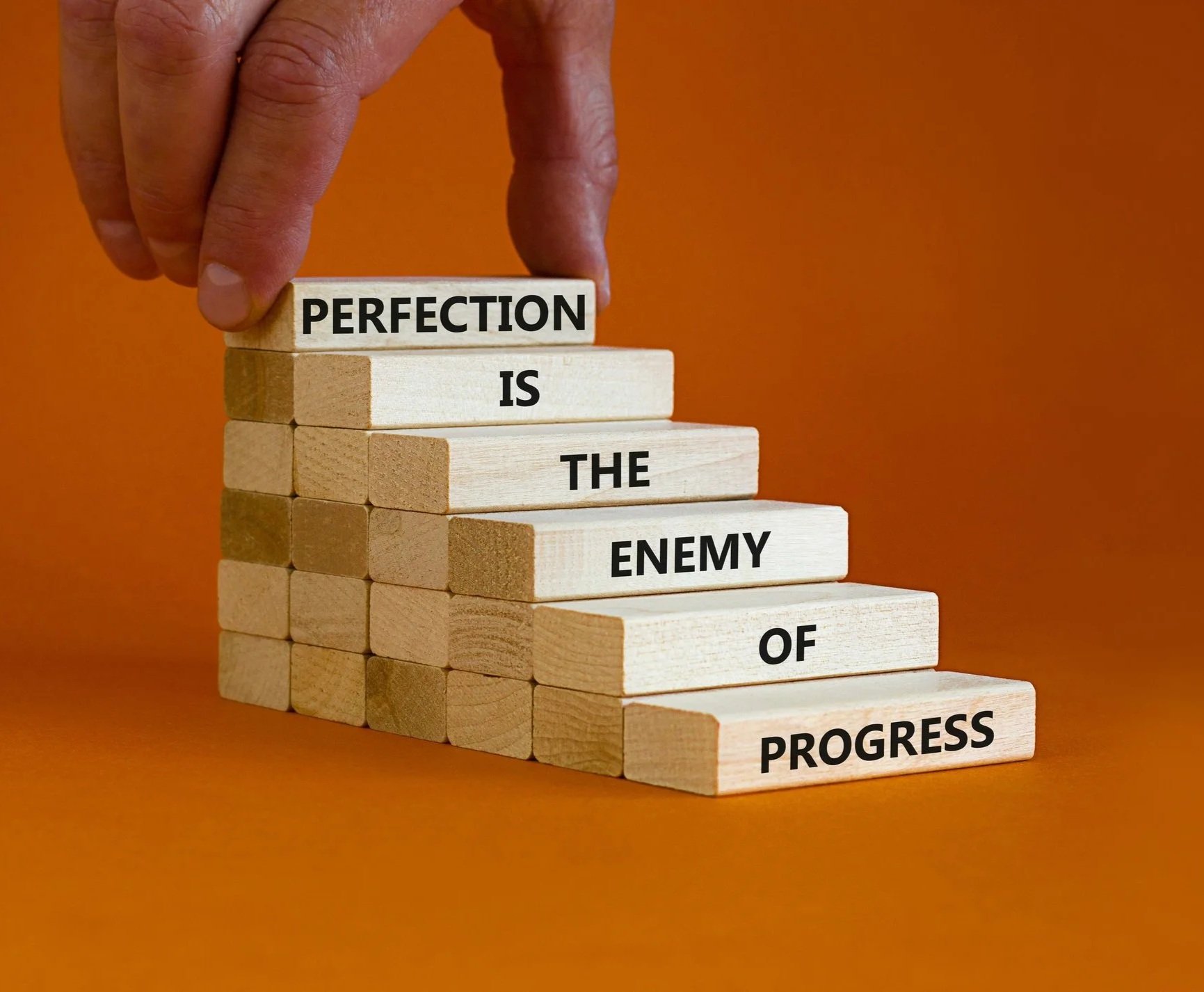
Photo by Dzmitry | Adobe Stock
3. Waiting Until It’s “Perfect” to Start
You don’t need to have it all figured out. If you wait until every detail is flawless, you’ll delay growth and visibility. Your brand will evolve, and that’s okay. Even established artists rebrand. Start small, stay flexible, and let your audience grow with you.
4. Building a Brand Without Community
Your brand doesn’t live in a vacuum. If you never engage, respond, or collaborate, it can feel one-sided. Invest in your fans because they are more than just followers. Strong creative brands grow within communities, not above them. The real connection happens when you show up, not just show off.
5. Trying to Be Everything to Everyone
It feels safer to be broad, but it’s actually more difficult to connect that way. The strongest brands speak clearly to a specific audience. Plenty of iconic artists have started by owning a niche before expanding. Everyone remembers Rihanna before SavageXFenty and Selena Gomez before Rare Beauty — they both started with a niche before expanding. Being specific doesn't limit you. It launches you until you are truly ready for more.
Photo by Dina | Adobe Stock
6. Ignoring the Power of Positioning
You might be great at your craft but how are you framing it? How is your audience receiving it? If you don’t clarify what makes you different, the audience will make their own assumptions. Positioning is what connects your creative work to the people who actually need it. Be clear about what you do and who it’s for.
A strong brand doesn’t just make you look bigger — it makes you feel understood. When you build from your values, not just your visuals, you invite people into something honest and impactful. That’s how curiosity becomes connection — and connection becomes a creative brand that lasts.
Edited by KBR on December 8, 2025