How to Be More Vulnerable With Your Art
By Kevin Fides
To understand vulnerability in art, I think we first have to understand how art applies to our personal lives. I see art as a form of reflection, a way in which we can externalize the internal into something tangible. Something we can see, hear, touch, or experience outside of ourselves.
Art in my life has changed as I have. It has evolved and regressed with me throughout different seasons of my life. I don't necessarily see either of those things as bad or good anymore. I feel they simply reveal where I was at the time.

Photo by Kevin Fides | Contagion Media
For many years, I have fallen into periods of stagnation because of my fear of change. I've also experienced many seasons of repetition, some of them necessary. I think repetition can be a great tool for growth because it gives us enough time with ourselves to recognize patterns. We begin to understand what drives us, what scares us, and what we continuously return to.
But repetition and growth are not always the same thing.
Sometimes we return to something because there is still more to discover. Other times we return because we are afraid to leave what we already understand. From the outside, those two things might look the same. The difference requires honesty from the person creating.
And perhaps that honesty is where vulnerability begins…
I used to become frustrated when artists changed their sound over time. “They don't sound how they used to,” I would say, echoing the sentiments of many purists, hahah. But eventually I had to remember that artists are human, just as I am. If the person changes, why shouldn't their expression change with them?
Change is a necessary element of life. More than that, change is the nature of life. To demand that an artist remain who they once were is to ask a living person to become an artifact of themselves.
I think sometimes we do this to ourselves too!
We become attached to an image of what we are, what our work should look like, what other people expect from us, or even what makes us feel authentic. Eventually, maintaining that image can become more and more important than actually being honest about who we have become.
This is where vulnerability in art becomes interesting to me.

Photo by Kevin Fides | Contagion Media
Vulnerability is most often associated with revealing something deeply personal, painful, or emotional. But I don't think vulnerability in art always requires exposing our deepest wounds.
Sometimes vulnerability is simply allowing the work to honestly reveal where you are.
Maybe you are progressing. Maybe you are stagnant. Maybe you are confused. Perhaps you've outgrown something you once believed defined you. Maybe the thing you're creating now contradicts something you made five years ago.
The vulnerability is allowing that contradiction to exist.
But I also think vulnerability requires us to notice the ways we protect ourselves while creating.
Sometimes we begin editing ourselves before the work has even had the opportunity to exist. We imagine how it will be received. Whether people will understand it. Whether it's good enough. Whether it fits alongside everything else we have created. Whether it makes us appear talented, intelligent, interesting, or worthy of being taken seriously.
Slowly, we can begin creating a version of ourselves that is easier for other people to understand rather than creating from who we actually are.
Perhaps being more vulnerable in our art begins with creating before we negotiate with ourselves.
Before asking whether it will be understood, allow it to exist. Before asking whether it is good, allow yourself to make it. Before asking whether something belongs within the identity you have created for yourself, become curious about why you were drawn to it in the first place.
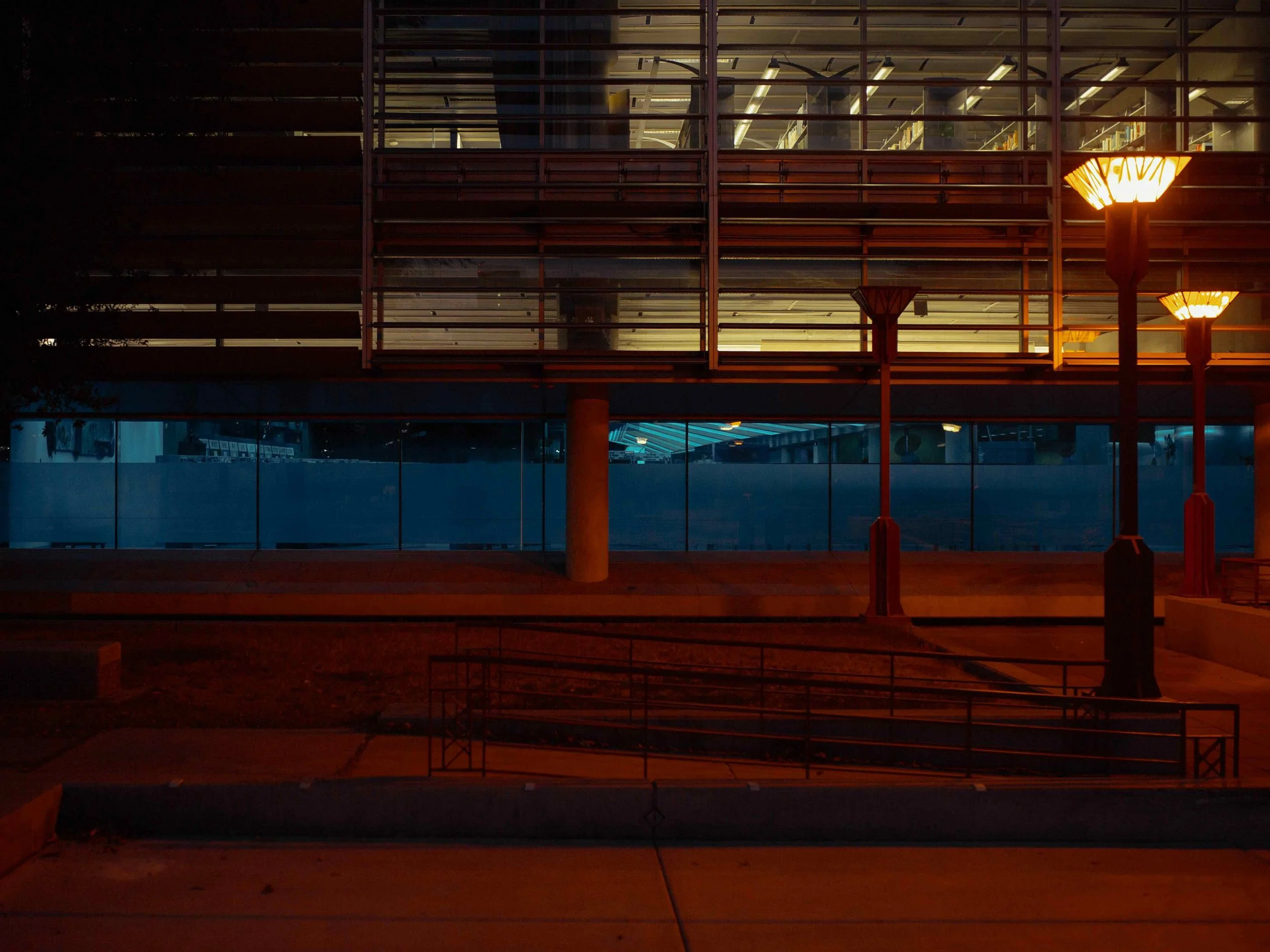
Photo by Kevin Fides | Contagion Media
This does not mean everything we create has to be shared. No.
Privacy and vulnerability coexist.
I think sometimes we confuse vulnerability with exposure, but they are not necessarily the same thing. Something can be incredibly vulnerable and remain entirely yours. Before vulnerability exists between the artist and the audience, it exists between the artist and themselves.
Am I willing to be honest with myself about what I truly want to create?
That honesty might mean making something simple. Something sentimental. Something completely different from what people expect from you. It might mean returning to the same subject for the hundredth time because something within you still hasn't finished looking at it.
It might also mean allowing yourself to be a beginner again.

Photo by Kevin Fides | Contagion Media
There is safety in competence. Once we know what we are good at, it becomes easy to remain there. We know how to make the photograph work. We know which words sound beautiful. We know what other people respond to. We know how to produce something that reinforces the version of ourselves we've already established.
Experimentation disrupts certainty.
To try something unfamiliar means temporarily surrendering to the comfort of knowing what you are doing. It means risking making something unsuccessful, awkward, misunderstood, or simply bad.
But perhaps vulnerability requires allowing ourselves to fail often enough to discover what else we could become and to find a path toward deeper creative authenticity.
Sometimes we disguise stagnation as progress, or as what we wish progress could be. We become trapped in an image of what things should be rather than confronting what actually is. Yet recognizing stagnation can be useful, not because stagnation itself is growth, but because it gives us valuable information about our own journey.
Art can reveal us to ourselves.
But that requires being willing to look at the reflection without immediately trying to control what we see.
Sometimes the work may even reveal something we weren't consciously trying to say.
A photograph we intended to be beautiful might feel lonely. An essay we thought was about art might slowly reveal itself to be about fear. Something we considered unfinished might contain exactly what we were trying to communicate.

Photo by Kevin Fides | Contagion Media
I think vulnerability means allowing the work to surprise us. The artist does not have to know before the art does.
Having your own perspective can be daunting. It can feel especially strange when your perspective differs from people around you. There is a temptation to either abandon your perspective for theirs or defend your perspective as though it must be absolute truth.
I don't think either is necessary.
My perspective doesn't have to be the only truth to deserve expression.
There can be freedom in saying, “This is what I see,” without needing to insist that this is all there is.
And perhaps that is another form of vulnerability: trusting your own lens enough to express what you see while remaining open enough to allow another person's lens to reveal something yours cannot.

Photo by Kevin Fides | Contagion Media
Being vulnerable does not mean surrendering authorship of yourself. It means allowing yourself to be seen while remaining open to being changed.
The deeper I value my own expression, the less I need someone else's agreement to justify it. And strangely, that makes me more capable of listening. I don't have to absorb every perspective into my own, nor do I have to reject one simply because it challenges me.
I can remain myself and still be moved.
Maybe that is what vulnerability gives us as artists: not certainty but freedom. The freedom to change. The freedom to repeat until we understand why we're repeating. The freedom to recognize stagnation without disguising it. The freedom to be a beginner. The freedom to create something we cannot yet explain. The freedom to make something that no longer resembles who we used to be.
And ultimately, the freedom to let our art reflect us as we are, not only as we wish it to be.
Edited by Natalie Wheeler on October 9, 2026