
How to Win a Grammy: A Realistic Roadmap for Independent Artists
By KBR
Every year, thousands of musicians dream about standing on one of music's biggest stages, accepting a Grammy Award in front of millions of viewers.
While the image is glamorous, the journey behind it is far less about a single breakthrough moment and far more about years of intentional decisions, creative growth, and strategic career building. The good news is that you don't need a major record label to earn Grammy recognition.
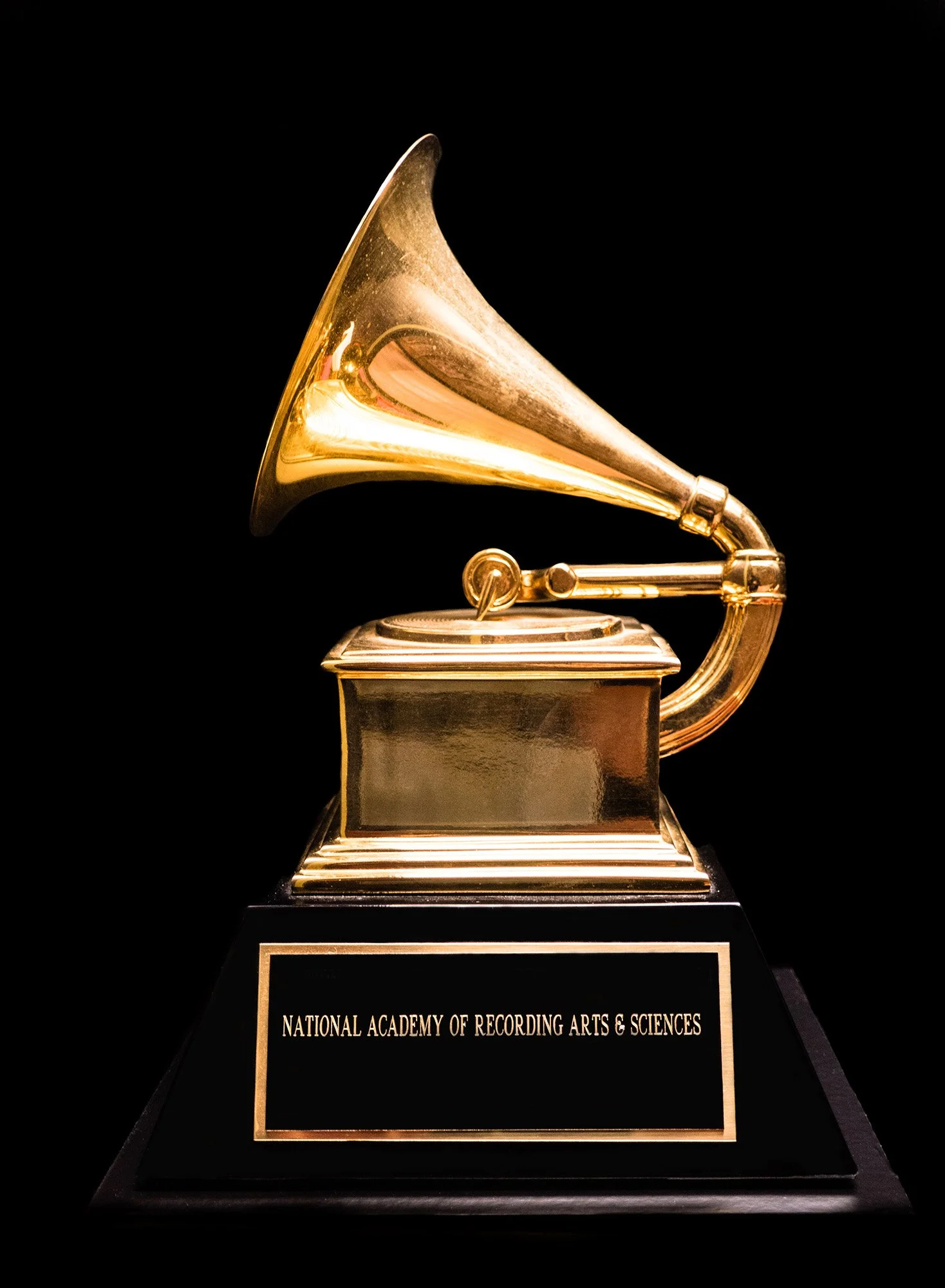
Photo by Gerald Zaffuts | Adobe Stock
Independent artists have helped reshape the music industry over the past decade. Advances in digital distribution, social media, and direct-to-fan marketing have made it possible for musicians to build careers on their own terms.
Artists like Chance the Rapper proved that independent musicians could win Grammy Awards without signing traditional recording contracts. Meanwhile, artists like Kendrick Lamar and Doechii have shown that compelling storytelling, fearless artistic identity, and cohesive visual branding can elevate music beyond entertainment into cultural moments.Their careers remind us that recognition isn't simply earned through talent—it grows from a clear creative vision expressed across every release, performance, interview, photograph, and campaign.
Despite these success stories, one of the biggest misconceptions in music remains that winning a Grammy is simply about writing great songs. It isn't. Great music is essential, but it is only one piece of a much larger picture. Professional presentation, industry relationships, strategic releases, eligibility, consistency, and long-term reputation all influence whether your work reaches the people who can champion it.
This guide isn't a shortcut or a promise of awards. There is no guaranteed formula for winning a Grammy, and anyone claiming otherwise is selling fantasy instead of reality. Instead, this article offers something far more valuable: a realistic roadmap.
Whether you're preparing to release your first single or you've already built a loyal fanbase, you'll learn how to position yourself like an artist whose career is built to last—not just long enough to chase one award. After all, Grammy-winning careers are rarely built in a year. They're built through thousands of thoughtful decisions that compound over time.
Can Independent Artists Win a Grammy?
Yes. Independent artists can absolutely win Grammy Awards.
The Recording Academy does not require artists to sign with a major record label. As long as a recording meets eligibility requirements and is properly submitted for consideration, independent musicians can compete alongside artists from the world's largest labels.

Photo by Peter Heckmeier | Adobe Stock
That said, earning a Grammy nomination—or a win—is incredibly competitive. Thousands of eligible recordings are released every year, and only a small percentage advance to the final ballot.
Success depends on much more than musical talent alone. Independent artists who gain Grammy recognition often combine exceptional songwriting with consistent releases, strong branding, strategic networking, professional visuals, thoughtful marketing, and years of career development.
Rather than asking, "How do I win a Grammy?" a more productive question is:
"How do I build a career worthy of Grammy recognition?"
That shift in perspective changes everything.
Winning Starts Long Before Submission Day
Many musicians imagine Grammy recognition beginning with an application. In reality, it begins years earlier.
By the time an artist appears on a Grammy ballot, countless unseen decisions have already shaped that opportunity:
Refining their sound
Developing a recognizable artistic identity
Collaborating with exceptional creatives
Releasing consistent, high-quality music
Building trust within the industry
Presenting themselves professionally across every platform
The Recording Academy ultimately celebrates recorded excellence, but excellence is rarely accidental. It's cultivated through discipline, collaboration, and a willingness to improve with every release.
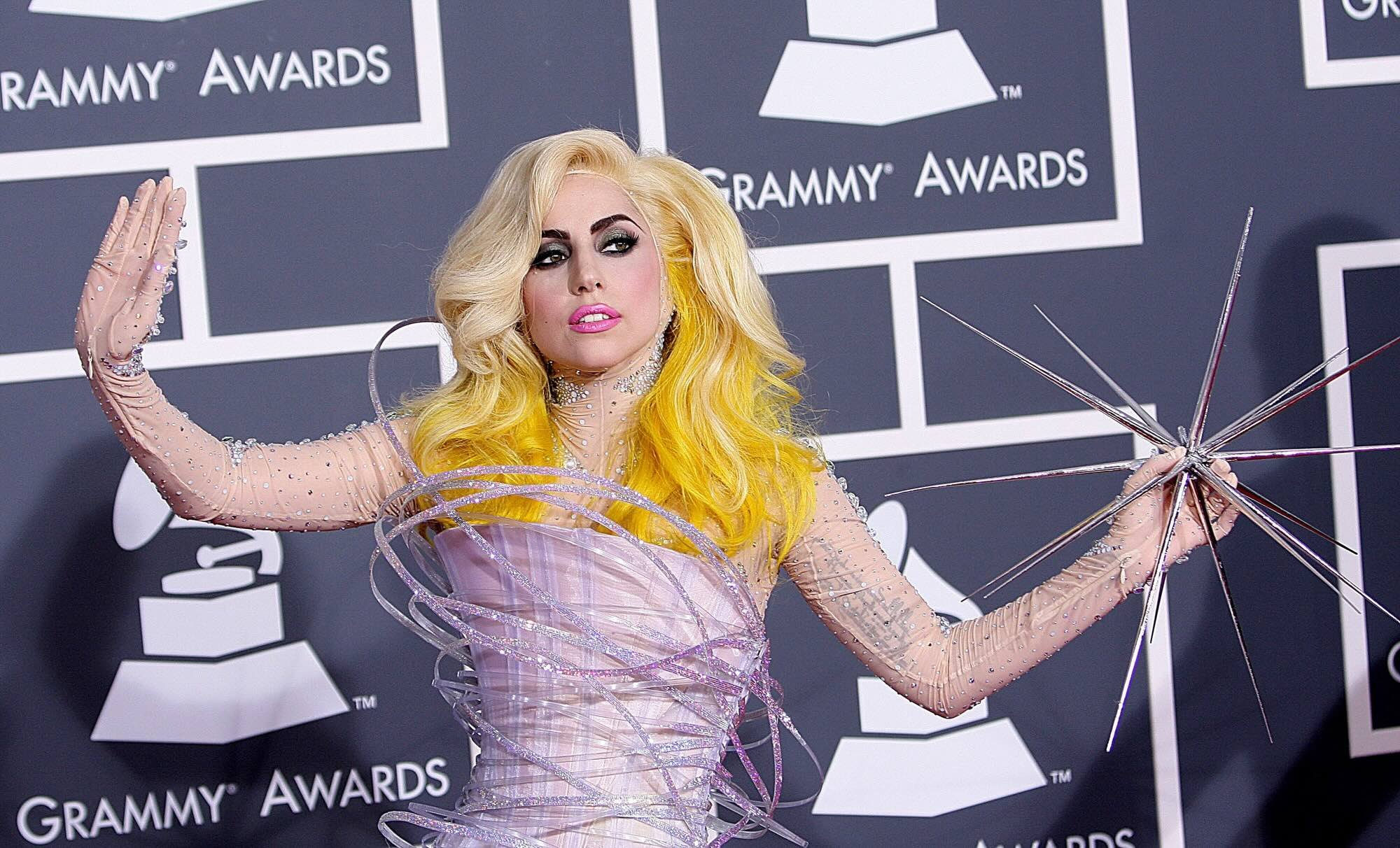
Photo by everett225 | Deposit Photos
Think of your career like building a landmark rather than chasing a headline. Every song becomes another brick. Every performance reinforces your reputation. Every editorial portrait, live show, interview, and music video contributes to how the industry remembers you.
The artists who reach music's biggest stages usually spend years building a foundation that most audiences never see.
Understand Grammy Eligibility Before You Plan Your Releases
One of the most common mistakes independent musicians make is assuming that every song they release is automatically eligible for Grammy consideration.
It isn't.
The Recording Academy establishes specific eligibility periods, submission deadlines, category requirements, and voting procedures every year. While these guidelines evolve over time, understanding them early allows you to make smarter decisions throughout your release schedule rather than scrambling after your music is already available.
Before planning an album rollout, ask yourself:
Does this release fall within the current eligibility period?
Which category best represents my music?
Am I releasing a single or a complete project?
Does this recording meet all technical requirements?
Am I giving my release enough time to build momentum before submissions?
Photo by 4kclips | Adobe Stock
Many artists focus entirely on creating music while overlooking the logistical side of the business. Yet successful careers balance creativity with planning.
Imagine spending two years producing your best work, only to realize your release timing made it ineligible for that year's awards. Small administrative details can have surprisingly large consequences.
Understanding eligibility doesn't make your music better—but it ensures your best work has the opportunity to be considered.
Excellence Is Still the First Requirement
Awards don't reward ambition.
They recognize exceptional work.
No marketing campaign, expensive photoshoot, or viral social media moment can compensate for songs that aren't ready.
Before thinking about awards, ask yourself difficult questions:
Does this song represent my absolute best work?
Have I sought honest feedback from experienced producers or musicians?
Does every lyric, melody, and production choice serve the song?
Would I proudly share this recording five years from now?
Grammy-winning recordings often reveal extraordinary attention to detail. Every arrangement feels intentional. Every vocal performance communicates emotion. Every production decision supports the story rather than distracting from it.
Independent artists sometimes feel pressured to release music constantly because algorithms reward consistency.
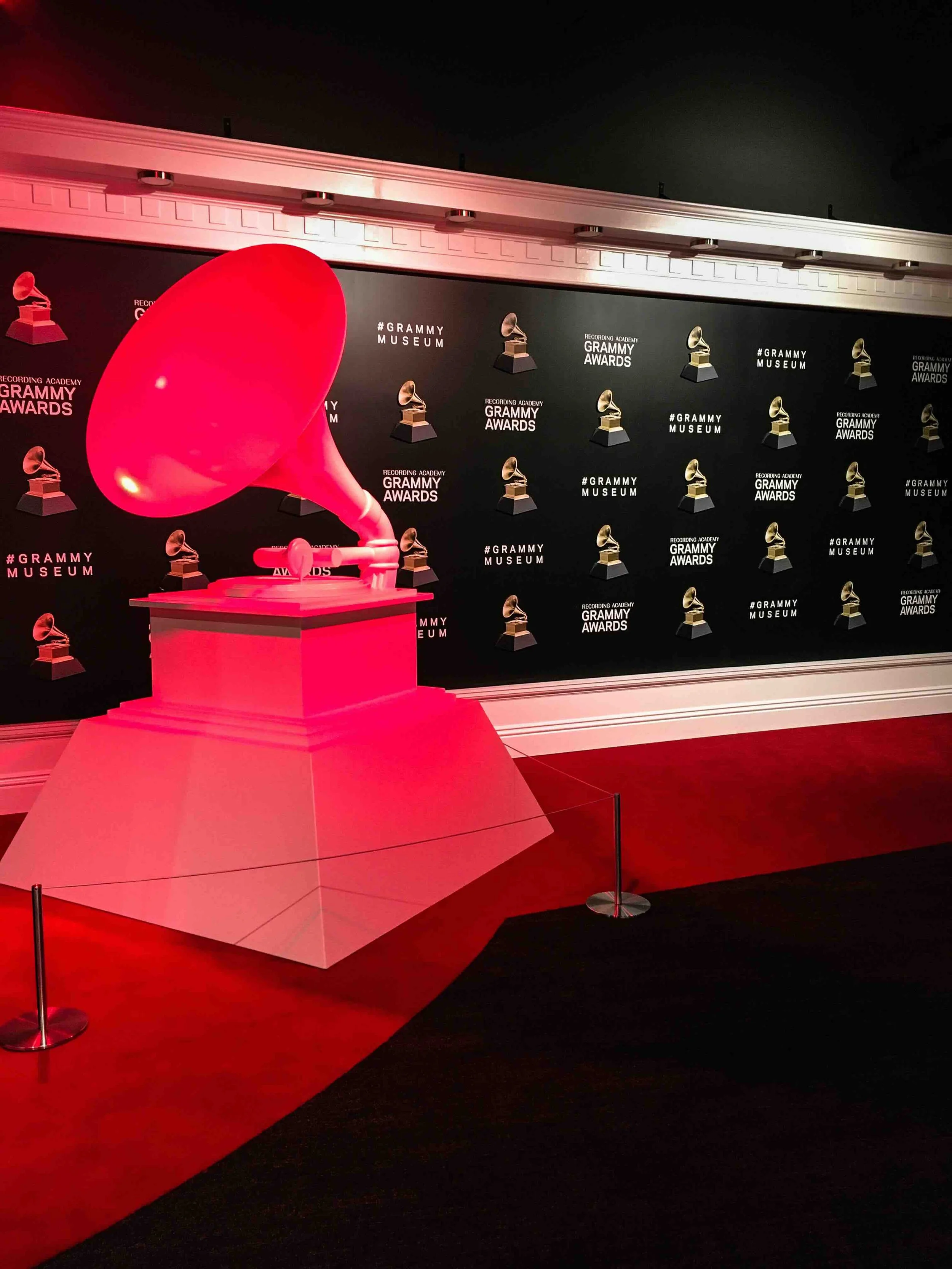
Photo by Gerald Zaffuts | Adobe Stock
But history suggests that memorable careers are built on meaningful work—not simply frequent uploads.
Quality has a longer lifespan than quantity.
Release Music Strategically—Not Just Frequently
The digital era has made releasing music easier than ever.
Ironically, that abundance has also made standing out more difficult.
Every day, tens of thousands of new songs appear on streaming platforms. While consistency remains important, releasing music without purpose can dilute your momentum instead of strengthening it.
Successful artists treat each release as a chapter in a larger story.
Instead of asking:
"When should I upload my next single?"
Ask:
"What role does this release play in building my career?"
A strategic release plan often includes:
enough time for pre-release promotion
professional photography and cover artwork
teaser content
music videos or visualizers
press outreach
playlist submissions
interviews
social storytelling
post-release content that extends momentum
Many Grammy-recognized artists understand that audiences don't simply consume songs—they experience complete creative worlds.
This is where visual identity becomes incredibly important.
A compelling campaign doesn't rely on one album cover. It creates a consistent experience across photography, promotional materials, live performances, websites, merchandise, interviews, and social media.

Photo by s_buklet | Deposit Photos
Artists like Kendrick Lamar demonstrate how visual storytelling can amplify musical themes, while Doechii's fearless aesthetic choices reinforce her individuality before listeners even press play.
The music introduces people to your artistry. The visuals often convince them to remember it.
At Contagion Media, we've long believed that musicians deserve campaigns—not just content. Thoughtful photography, editorial storytelling, and cohesive creative direction help audiences connect with the person behind the music, transforming individual releases into memorable artistic eras.
Think in Eras Instead of Singles
Taylor Swift popularized the concept of distinct album "eras," but the principle extends far beyond pop music.
Every release should have its own identity.
Ask yourself:
What emotions define this project?
What colors represent it?
What locations fit the music?
What wardrobe tells the same story?
What visual language reinforces the lyrics?
When every creative decision supports the same narrative, audiences experience something larger than a collection of songs.
They experience a world.
That level of cohesion is one reason some artists become unforgettable.
Build Relationships Before You Need Them
Music has always been collaborative.
Even artists celebrated for their individuality rely on producers, engineers, photographers, videographers, managers, publicists, booking agents, journalists, designers, and fellow musicians throughout their careers.
The strongest professional relationships are rarely formed during moments of desperation.
They're built gradually through genuine connection.
Networking isn't about collecting business cards or asking strangers for favors. It's about becoming an active member of the creative community.
Attend showcases.
Support other musicians.
Congratulate peers on new releases.
Introduce yourself after performances.
Stay in touch without expecting immediate opportunities.
The industry remembers people who consistently contribute value.
One meaningful conversation can eventually lead to a collaboration.
One collaboration can introduce you to an entirely new audience.
That audience may connect you with another opportunity years later.
Many Grammy-winning careers can be traced through these seemingly ordinary moments.
The producer met at a local showcase.
The photographer who became a long-term collaborator.

Photo by Guys Who Shoot | Adobe Stock
The independent magazine feature that introduced an artist to industry professionals.
Career-changing opportunities often emerge from relationships that began without expectations.
Instead of asking, "Who can help me today?" ask, "How can I become someone people genuinely enjoy creating with?"
That mindset builds trust—and trust travels surprisingly far within the music industry.
Should You Join the Recording Academy? Understanding GRAMMY Membership
One of the biggest misconceptions about the Grammys is that artists simply upload their music and wait for a nomination.
The reality is far more nuanced.
The Recording Academy is a professional organization made up of music creators and industry professionals who work across every corner of the business. Songwriters, producers, engineers, composers, performers, and other qualified professionals make up the voting body responsible for recognizing artistic excellence each year.
For independent musicians, joining the Recording Academy isn't about buying access to an award—it’s about becoming part of a larger professional community.
Membership can provide opportunities to:
Connect with fellow music professionals
Attend educational events and networking opportunities
Learn about the Grammy submission process
Participate in chapter activities
Vote in eligible Grammy categories (if qualified)
Notice what isn't on that list: Winning a Grammy.
Membership doesn't increase your odds of being nominated simply because you belong. The Academy exists to celebrate excellence, not popularity or participation.
However, many artists overlook another benefit.
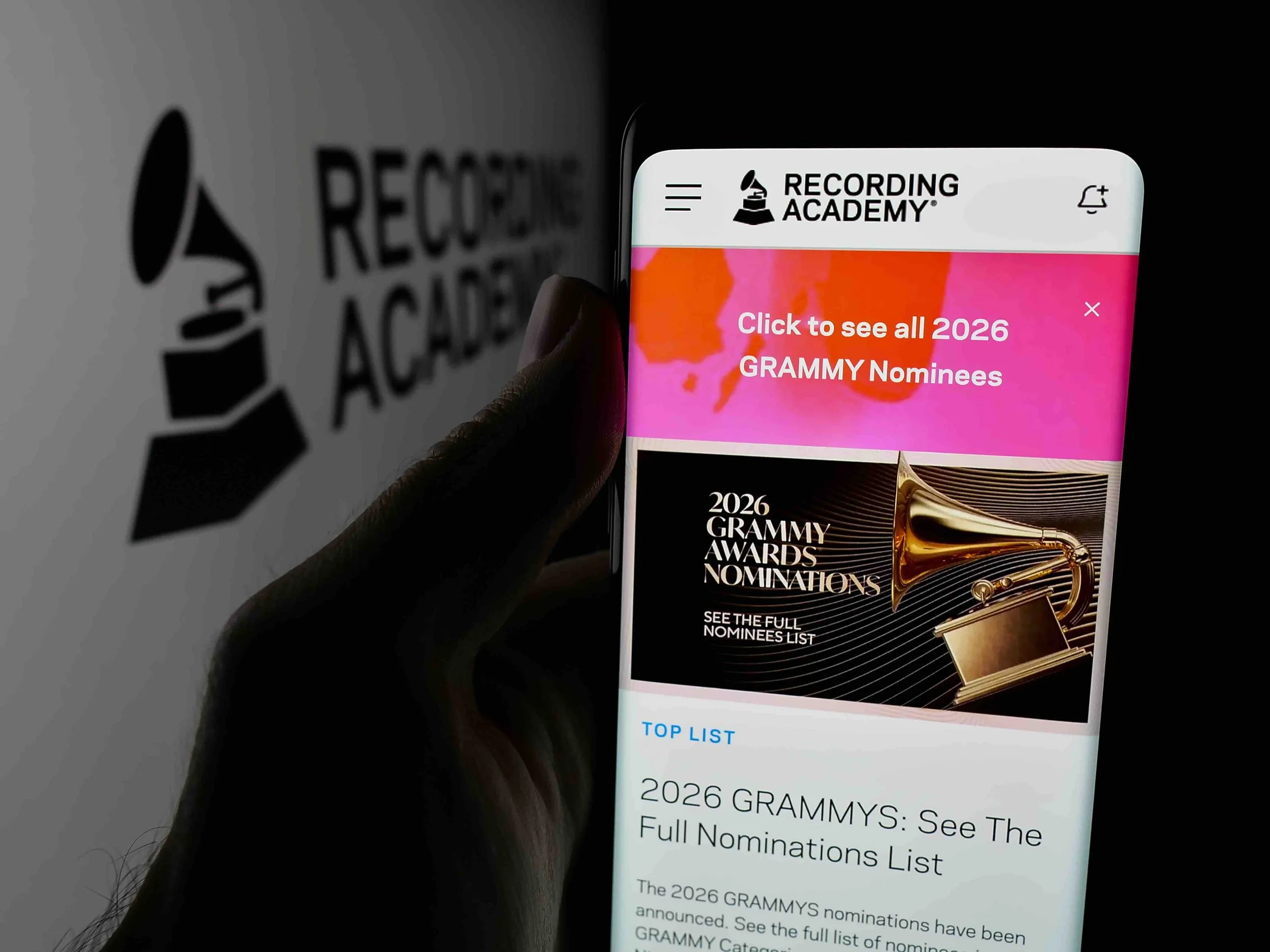
Photo hoto by Timon | Adobe Stock
Being active within your professional community naturally expands your understanding of the industry. Conversations with producers, engineers, publicists, journalists, and fellow musicians often reveal opportunities you would never discover working in isolation.
Relationships remain one of the most valuable assets an artist can build.
Awards Are Communities Before They're Ceremonies
When viewers watch the Grammy Awards, they see a celebration.
What they don't see are the years of collaboration that brought those artists to that stage.
Music has never been created in a vacuum.
Albums involve producers. Mix engineers. Mastering engineers. Session musicians. Photographers. Creative directors. Stylists. Videographers. Graphic designers. Managers. Publicists. Journalists. Venue owners. Festival organizers. The Grammy stage simply becomes the place where years of collective work receive public recognition.
Independent artists sometimes feel pressure to do everything themselves. Learning multiple skills is valuable, but the most successful careers eventually become collaborative. Knowing when to ask for help is just as important as knowing how to create.
Build a Brand People Remember
Imagine hearing two incredible songs from different artists. A month later, you can only remember one. Why?
Most likely, it wasn't because the music was dramatically better. It was because one artist gave your brain more to remember. Humans naturally remember stories better than isolated information. The same principle applies to musicians. Your audience doesn't just remember melodies. They remember visuals. Interviews. Fashion. Stage presence. Album artwork. Social media. Music videos. Magazine features. The way an artist makes them feel.Every interaction contributes to your identity.
This is branding—not in the corporate sense, but in the artistic sense.Your brand is simply the emotional impression people carry after experiencing your work.
Kendrick Lamar: Every Project Feels Like a Cultural Event
Kendrick Lamar rarely releases music simply to stay visible. Instead, each album arrives with a distinct visual language, carefully chosen collaborators, meaningful imagery, and a clear artistic direction. Whether examining social issues, personal growth, or cultural identity, his visuals reinforce the same themes explored in his lyrics.
Nothing feels accidental. Photography. Album covers. Fashion. Music videos. Live performances. Everything supports the larger vision. That's one reason each release feels significant long before listeners hear the first song. Independent musicians don't need Kendrick Lamar's budget to learn from this approach. They need intentionality.
Ask yourself: If someone removed the artist name from your latest release, would people recognize it was yours? The strongest brands answer "yes."
Doechii: Authenticity Is a Competitive Advantage
Doechii's rise didn't happen because she imitated artists already dominating the charts. She trusted herself entirely and embraced creative risks with determination unapolegetically.
Her performances feel theatrical. Her visuals feel fearless. Her personality remains unmistakably her own. In an era where algorithms often encourage musicians to copy trends, originality becomes increasingly valuable.
Artists sometimes spend years asking,
"What style is popular?"
A more powerful question is,
"What can only I create?"
The Grammy Awards consistently recognize artists who push music forward rather than repeat what already exists. Authenticity isn't merely admirable. It's memorable and impactful.
Branding Is About Consistency, Not Perfection
Many musicians delay investing in professional visuals because they believe everything must be flawless before anyone notices them. The opposite is usually true. People connect with progress. Your branding doesn't need Hollywood budgets. It needs consistency.
Ask yourself:
Do my photographs reflect my music?
Does my website match my sound?
Do my social media profiles feel cohesive?
Would a journalist immediately understand my artistic identity?
Every visual communicates something, even if you didn't intend it to. Thoughtful editorial photography, compelling promotional imagery, and consistent design don't replace great music. They give great music a visual language.

Photo by Bangkok Click Studio | Adobe Stock
That's why many artists choose to develop creative campaigns instead of isolated promotional assets. A campaign tells one story across multiple touchpoints, allowing fans, journalists, and industry professionals to experience a complete artistic identity rather than disconnected pieces.
Think Beyond the Song: Build a Grammy Campaign
The word "campaign" often sounds corporate. For musicians, it should sound creative. A campaign isn't manipulation. It's communication. The best campaigns help audiences understand why a project matters.
Long before award season arrives, successful artists begin introducing listeners to the ideas behind their music. They release behind-the-scenes content, document recording sessions, share interviews, and tell stories. Whether through cohesive visuals, behind-the-scenes content, interviews, or editorial features, every piece of the campaign reinforces the same message. By the time an album is released, audiences already understand the world surrounding it.
Every Great Album Tells Two Stories
The first story exists inside the music. The second exists everywhere else: Your interviews. Your visuals. Your performances. Your photography. Your website. Your social media. Your documentaries. Your merchandise. These external elements don't replace the music but make it more impactful. Artists who create immersive experiences often remain memorable long after a song leaves the charts.
Think of Beyoncé's visual albums, Kendrick Lamar's conceptual storytelling, or Billie Eilish's instantly recognizable imagery. Their campaigns become part of the art itself. Independent musicians can adopt this philosophy at any budget. A thoughtfully planned photoshoot often creates months of content. A behind-the-scenes video becomes a documentary. One editorial feature introduces your story to new audiences. Every creative decision can continue working long after release day.
Learn From Artists Who Built Their Careers Deliberately
While every Grammy winner follows a unique path, certain patterns appear again and again.
Chance the Rapper
Chance challenged the assumption that artists needed major labels to achieve mainstream success.
By cultivating a devoted fanbase, embracing independent distribution, and staying deeply connected to his community, he demonstrated that ownership and artistic freedom could coexist with industry recognition.
His story reminds independent musicians that success isn't defined by who owns your masters.
It's defined by the impact your music creates.
Victoria Monét
Victoria Monét spent years writing for other artists before becoming widely recognized as a solo performer.
From the outside, her Grammy success appeared sudden.
In reality, it reflected more than a decade of songwriting, collaboration, and steady artistic growth.
The lesson?
The public often notices the final chapter while overlooking every chapter that came before it.
Jacob Collier
Jacob Collier became known not because he followed industry formulas, but because he expanded them.
His extraordinary musicianship, educational content, and fearless experimentation earned admiration from fellow musicians long before mainstream audiences fully understood his work.
Innovation attracts attention.
Mastery earns respect.
Esperanza Spalding
Esperanza Spalding surprised many viewers when she won Best New Artist, but musicians already knew her reputation. Years of exceptional musicianship, education, and live performance had quietly established her credibility. Recognition often arrives after the work has already been done.
Billie Eilish
Billie Eilish's success illustrates the power of creative cohesion. Her music, visuals, fashion, interviews, typography, photography, and videos consistently reinforced one unmistakable identity. Nothing felt manufactured.
Everything felt intentional. Fans didn't simply recognize her songs. They recognized her world. That's the hallmark of enduring branding.
What Winning a Grammy Actually Means
For many artists, a Grammy represents the ultimate destination. In reality, it's often a milestone—not the finish line.
Winning a Grammy won't automatically make your music timeless, guarantee commercial success, or solve every challenge in your career. Plenty of Grammy-winning artists continue to work just as hard after the ceremony as they did before it, while countless legendary musicians have never won one at all.
Awards recognize a moment in time. Careers are measured over decades.
That's why the healthiest goal isn't to build your career around winning a Grammy. It's to build a career that would make a Grammy nomination feel like a natural outcome of years of exceptional work.
When you focus on creating meaningful art, refining your craft, collaborating with talented people, and consistently showing up with professionalism, you're building something much more valuable than an award.
You're building a legacy.
Set Realistic Expectations
It's easy to see a Grammy acceptance speech and assume success happened overnight.
What audiences rarely see are the years behind that moment: unreleased demos, canceled shows, financial sacrifices, endless revisions – projects that didn't connect.
Even artists who seem to appear out of nowhere have often spent a decade or more developing their skills before reaching widespread recognition. Independent musicians should approach Grammy aspirations with both optimism and realism. A Grammy shouldn't define whether your career is successful.

Photo by 9parusnikov | Adobe Stock
If your music reaches listeners who connect deeply with your work, supports your livelihood, inspires other artists, and allows you to continue creating, you've already accomplished something extraordinary. Awards can amplify a career; they shouldn't validate it. The most fulfilled artists create because they have something worth saying—not because they're waiting for a trophy to tell them they're enough.
Common Mistakes That Keep Artists From Grammy Recognition
Talent opens doors. Professionalism keeps them open. Many promising musicians unintentionally slow their own momentum by making avoidable mistakes.
Here are some of the most common:
Releasing Music Without a Long-Term Strategy
Every release should support a larger vision. If each single feels disconnected from the last, audiences may struggle to understand your artistic identity.
Neglecting Professional Branding
Outstanding music deserves visuals that reflect its quality. Low-resolution artwork, inconsistent photography, and unfinished branding can create an impression that doesn't match the strength of the music itself.
Ignoring Industry Relationships
Music has always been collaborative. Building genuine relationships with fellow musicians, producers, journalists, photographers, and creative professionals often leads to opportunities that can't be planned.
Chasing Every Trend
Trends can attract short-term attention. Originality builds long-term careers. The artists remembered years from now usually aren't the ones who copied what was popular—they're the ones who introduced something audiences hadn't experienced before.

Photo by PPstock | Adobe Stock
Treating Marketing as an Afterthought
Many artists spend months perfecting an album and only a few days planning how people will discover it. Promotion isn't separate from your art. It's how your art finds its audience.
Your 12-Month Roadmap Toward Grammy-Level Growth
No one can promise a Grammy in a year.
What you can accomplish in twelve months, however, is remarkable.
Quarter 1: Strengthen Your Foundation
Refine your artistic identity.
Audit your existing brand.
Develop a consistent visual direction.
Define your long-term career goals.
Quarter 2: Create Intentionally
Record your strongest material.
Invest in professional production.
Plan photography and artwork early.
Build an Electronic Press Kit (EPK).
Quarter 3: Launch Strategically
Release music with purpose.
Schedule interviews and editorial features.
Create video content around your release.
Engage with your audience consistently.
Quarter 4: Expand Your Network
Attend industry events.
Collaborate with other artists.
Connect with producers, photographers, and journalists.
Review your progress and plan the next release cycle.
Repeat that process year after year. Momentum compounds.

Photo by 9parusnikov | Adobe Stock
Frequently Asked Questions
Can an independent artist win a Grammy?
Yes. Independent artists are eligible for Grammy consideration as long as their recordings meet the Recording Academy's eligibility requirements and are properly submitted.
Do you need a record label to win a Grammy?
No. Many Grammy-winning artists have released music independently or maintained significant creative control over their careers.
How long does it take to win a Grammy?
There isn't a standard timeline. Some artists earn recognition early in their careers, while others spend decades refining their craft before receiving nominations.
Does joining the Recording Academy increase your chances of winning?
No. Membership provides educational resources, networking opportunities, and voting privileges for qualified members, but it does not influence whether your work is nominated.

Photo by Rokas | Adobe Stock
What matters more: talent or marketing?
Both. Exceptional music creates the opportunity. Professional branding and thoughtful marketing help that music reach the people who need to hear it.
Should I release singles or albums?
It depends on your goals. Many independent artists build momentum through singles before releasing larger projects, but every strategy should support a clear artistic vision.
How important is visual branding?
Very. Photography, music videos, artwork, editorial features, and design all shape how audiences remember your music.
Can social media help artists earn Grammy recognition?
Indirectly. Social media builds audiences, strengthens fan engagement, and expands visibility—all of which contribute to long-term career growth.
Do Grammy winners always have large teams?
Not at first. Many begin independently before gradually building trusted teams as their careers grow.
What's the best first step toward a Grammy-worthy career?
Commit to becoming a better artist every year. The strongest careers are built through continuous improvement—not shortcuts.
Final Thoughts
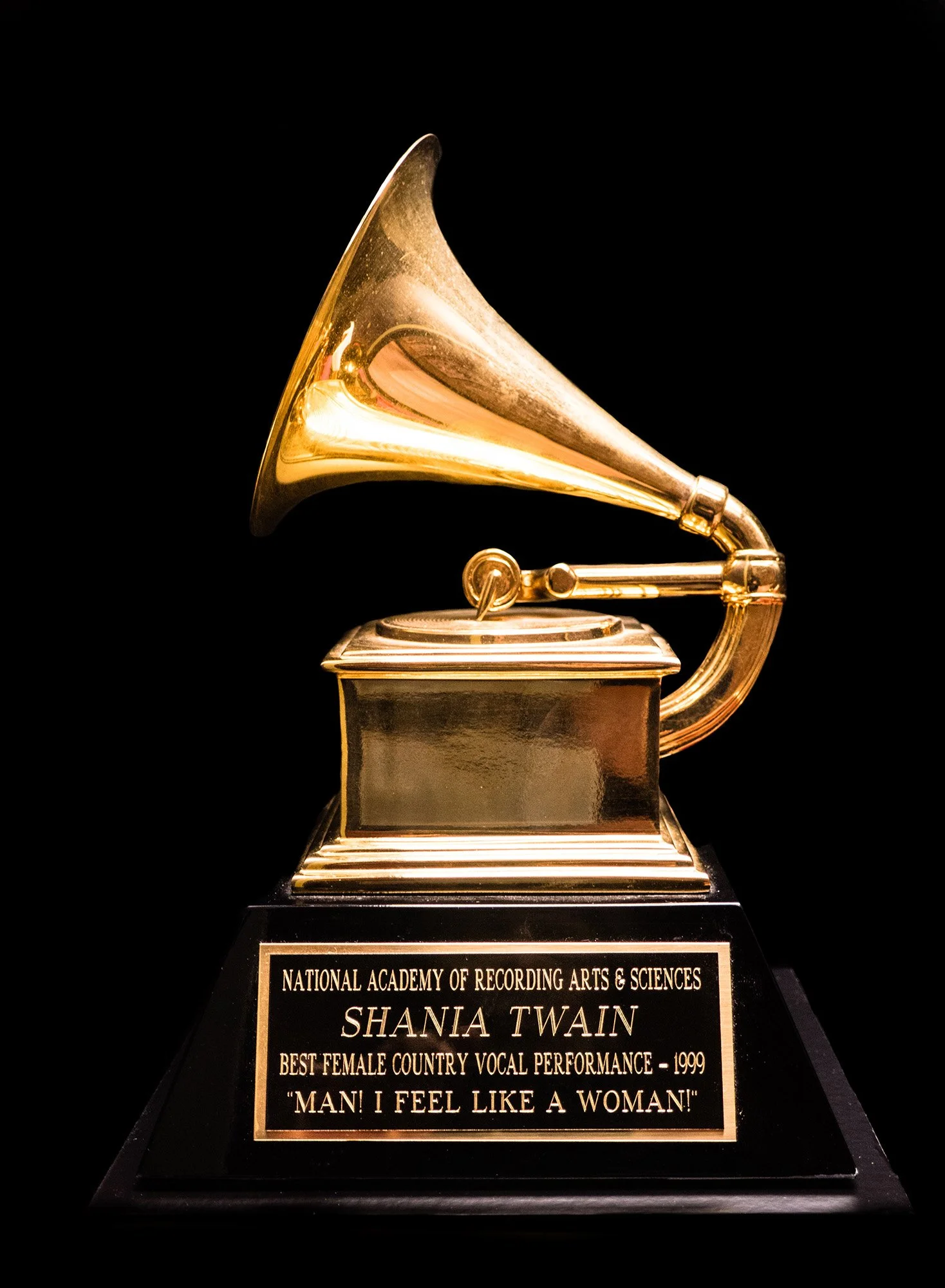
Photo by Gerald Zaffuts | Adobe Stock
Every Grammy acceptance speech tells a story. Not just the one shared on stage, but the one that began years earlier. It's the story of songs rewritten dozens of times before they finally felt right. The photographer who believed in an artist before anyone else did. The producer who stayed late chasing the perfect take. The tiny venue where five people showed up. The interview that reached only a handful of readers. The independent release that quietly found its audience. Those moments rarely make headlines. Yet they're often the moments that shape extraordinary careers.
Whether your goal is to earn a Grammy, sell out theaters, or simply create music that outlives you, remember that recognition follows consistency far more often than luck. Create work you're proud to stand behind. Collaborate generously. Stay curious. Refine your craft.
Treat every release as another opportunity to tell the world who you are. Because in the end, the artists who leave lasting marks on music aren't always the ones who chase awards. They're the ones who build bodies of work that deserve to be remembered.
And if your music is matched by a thoughtful visual identity, compelling storytelling, and a brand that grows alongside your artistry, every release becomes more than another song—it becomes another chapter in a career people want to follow.
At Contagion Media, we've always believed that the strongest music campaigns don't begin with a camera or a marketing plan. They begin with an artist who has something meaningful to say. From there, photography, editorial features, creative direction, and visual campaigns become tools that help the world experience that story in its fullest form. The goal isn't simply to promote music—it's to create a body of work that people remember long after the final note fades.
Continue Your Journey
If you found this guide helpful, you may also enjoy:
How to Promote Your Music Online: 13 Proven Strategies Every Independent Musician Should Use
Being an Independent Artist vs. Signed to a Label: Pros & Cons for Musicians
Vocal Layering Techniques: Add Depth to Your Music (How To + Examples)
How to Create Merchandise For Your Fans (A Step-by-Step Guide For Musicians)
Edited by Natalie Wheeler on August 8, 2026